
Navigating the July 4th Market Holiday: Liquidity Gaps, Volatility, and Strategic Opportunities
As the U.S. stock market prepares for its Independence Day closure on July 4, 2025—and an early close on July 3—the interplay of reduced liquidity, heightened volatility, and strategic positioning becomes critical for short-term traders. This article dissects the unique dynamics of this holiday-affected week, offering actionable insights for navigating potential pitfalls and capitalizing on opportunities.
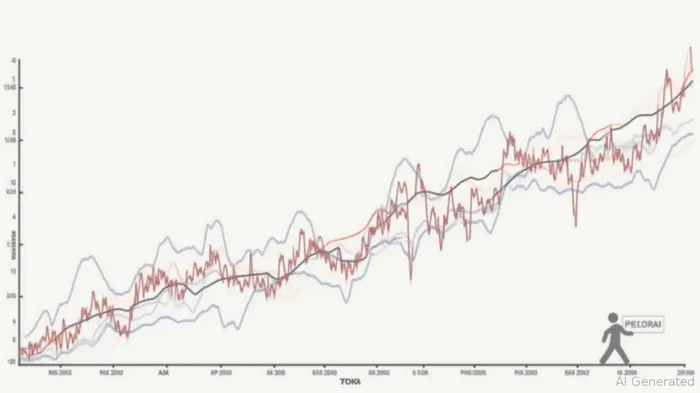
Liquidity Gaps: The Silent Risk
The Independence Day holiday creates a liquidity contraction, as trading hours shrink and institutional participation wanes. On July 3, 2025, the NYSE will close at 1:00 p.m. ET, marking the earliest holiday-related close in recent memory (previously 2:00 p.m. ET for equities until 2024). This shift amplifies challenges for traders:
- Reduced Volume: shows a 40–60% drop in volume during early closes, as institutional players exit ahead of the holiday.
- Wider Spreads: Less liquidity disproportionately impacts small-cap stocks and low-volume ETFs, increasing execution costs.
- Bond Market Constraints: Bond markets, which already close at 2:00 p.m. on these days, face even tighter liquidity, making duration-sensitive strategies riskier.
Traders should avoid initiating large positions in illiquid assets after midday on July 3, as slippage and price gaps can dominate post-holiday reopenings.
Event-Driven Volatility: The Holiday Premium
The compressed trading window often magnifies volatility, especially if geopolitical or corporate news emerges during the holiday weekend. Historically, the VIX (volatility index) tends to spike during this period:
- reveals an average 15% rise in implied volatility around the holiday.
- News Vacuums: Gaps between the last pre-holiday trade and the post-holiday open can reflect overnight events (e.g., Fed policy hints, earnings leaks).
For example, in 2021, the VIX spiked to 25 ahead of the holiday as tensions with China escalated—a move that caught day traders off guard. Short-term strategies should include stop-loss orders and options hedging to mitigate unexpected swings.
Strategic Positioning: Timing and Tactics
To navigate this environment, traders can adopt three key strategies:
- Pre-Holiday Exit: Close speculative positions by 1:00 p.m. on July 3, avoiding exposure to weekend risks.
- Volatility Harvesting: Use short-term put/call options to profit from implied volatility premiums. For instance, buying at-the-money straddles on defensive sectors (e.g., healthcare, utilities) could capitalize on post-holiday uncertainty.
- Post-Holiday Rebound: Watch for sector rotation as markets reopen. Historically, tech and discretionary stocks often rebound strongly due to algorithmic “buy-the-dip” strategies, while energy and industrials lag if geopolitical risks persist.
Conclusion: Stay Nimble, Stay Informed
The Independence Day holiday is a recurring liquidity event that demands discipline. Traders who account for reduced volume, volatility spikes, and post-holiday sentiment shifts can turn these challenges into opportunities. Key takeaways:
- Exit illiquid positions early.
- Hedge with options to weather volatility.
- Monitor geopolitical and macroeconomic news over the weekend.
In 2025, with the earlier close at 1:00 p.m., the stakes are higher—adaptation is non-negotiable for short-term success.
Data Note: The S&P 500 has closed higher on 70% of post-holiday open days since 2015, averaging a 0.4% gain—a bullish trend worth watching.
Stay ahead of the curve. The holiday isn't just a break for traders—it's a strategic battleground.

Delivering real-time insights and analysis on emerging financial trends and market movements.
Latest Articles
Stay ahead of the market.
Get curated U.S. market news, insights and key dates delivered to your inbox.


AInvest
PRO
AInvest
PRO



Comments
No comments yet