
Navigating Infrastructure Safety Risks in Emerging Markets: A Closer Look at Investor Due Diligence in China's Rapid Development Projects


 Aime Summary
Geological Risks and the Limits of Engineering
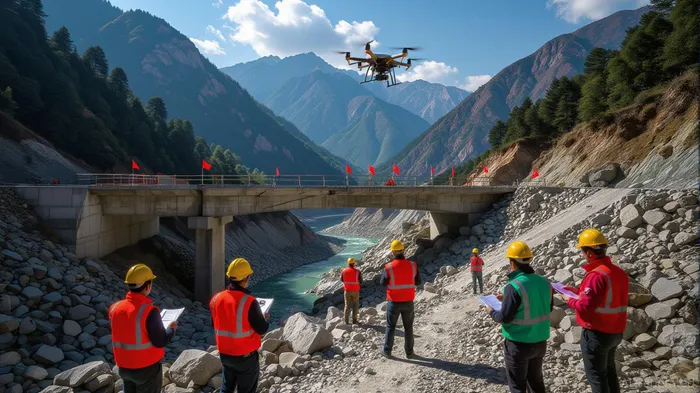
The Hongqi Bridge collapse was attributed to natural geological instability rather than structural flaws, according to the Times Now News report. However, this distinction blurs the line between predictable risks and unforeseen disasters. Sichuan's mountainous terrain, prone to landslides and heavy seasonal rains, exemplifies the challenges of building in geologically sensitive areas. According to a DevDiscourse analysis, the incident has sparked debates about the long-term durability of infrastructure in such regions, where frequent seismic activity and erosion can undermine even the most advanced engineering solutions.
For investors, this raises a critical question: How do geological risks factor into asset valuation? In China, where rapid urbanization and Belt and Road Initiative (BRI) projects drive infrastructure spending, due diligence must account for not just technical specifications but also regional vulnerability assessments. A 2021 AidData study revealed that 35% of BRI projects faced challenges like corruption, debt overhang, and environmental mismanagement, according to a Voice of America report. These findings suggest that geological risks are often compounded by governance gaps, further eroding asset value over time.
Regulatory Reforms and the Shadow of Past Failures
China's infrastructure sector has a history of high-profile failures that have spurred regulatory reforms. The 2025 collapse of the State Audit Office building in Bangkok-constructed by a joint venture including China Railway No.10 Engineering Group-prompted a 7-day investigation into seismic design standards and material quality, according to a Nation Thailand report. Similarly, the 2015 collapse of a bridge in Shenzhen, which killed 39 people, led to stricter safety protocols and increased private sector participation in infrastructure oversight, as noted in the Nation Thailand report.
Post-2015, the Chinese government has actively encouraged private investment in energy and infrastructure projects, allowing private stakes of up to 20% in nuclear power ventures, according to a Hellenic Shipping News report. These reforms aim to diversify risk and improve accountability, but they also introduce new complexities. Private investors, while often more agile, may lack the technical expertise to navigate geological uncertainties. As a result, due diligence must now include partnerships with geotechnical experts and real-time monitoring systems to mitigate risks.
Investor Practices: Balancing Growth and Caution
The Hongqi Bridge incident has already influenced investor behavior. In the wake of the collapse, Thai authorities demanded a review of the Bangkok-Korat high-speed railway project led by the same firm involved in the State Audit Office building collapse, according to the Nation Thailand report. This mirrors broader trends in China's BRI projects, where investors are increasingly prioritizing environmental, social, and governance (ESG) criteria. The "Green BRI" initiative, launched in 2020, now emphasizes sustainable practices and avoids high-risk fossil fuel projects, according to a Green FDC analysis.
However, regulatory shifts alone cannot eliminate risks. A 2025 report by DevDiscourse highlighted how financial pressures-such as tight construction timelines and cost-cutting measures-can compromise safety standards, as noted in the DevDiscourse analysis. For investors, this means due diligence must extend beyond regulatory compliance to include audits of project timelines, material sourcing, and contractor reputations.
Asset Valuation in a High-Risk Environment
Infrastructure assets in emerging markets are inherently volatile. The collapse of the Hambantota port in Sri Lanka-a BRI project plagued by debt and governance issues-serves as a cautionary tale, according to the Voice of America report. Investors must now factor in not just physical risks but also geopolitical and economic uncertainties. For example, the recent U.S.-China dispute over $13 billion in Bitcoin-linked to the 2020 LuBian hack-illustrates how asset sovereignty can be compromised in politically charged environments, according to a BeInCrypto report.
In Sichuan, the Hongqi Bridge collapse has already triggered calls for a nationwide review of similar projects, as reported in a ZoomBangla video. While this could lead to improved safety standards, it also signals potential delays and cost overruns for investors. The key to mitigating these risks lies in dynamic risk assessment frameworks that adapt to evolving geological and regulatory landscapes.
Conclusion
The Hongqi Bridge collapse is a stark reminder that infrastructure development in emerging markets is fraught with risks. For investors, the path forward requires a multifaceted approach: rigorous geological assessments, proactive engagement with regulatory reforms, and a commitment to ESG principles. As China's infrastructure ambitions continue to expand, due diligence must evolve from a checkbox exercise to a strategic imperative-one that balances growth with the imperatives of safety and sustainability.

Delivering real-time insights and analysis on emerging financial trends and market movements.
Latest Articles
Stay ahead of the market.
Get curated U.S. market news, insights and key dates delivered to your inbox.


AInvest
PRO
AInvest
PRO



Comments
No comments yet