
Navigating Inflationary Pressures and Fed Policy Uncertainty in a Stagnant Rate Environment
 Aime Summary
The global economy remains trapped in a paradox: inflation persists despite slowing growth, while central banks hesitate to act decisively. The July 2025 U.S. Consumer Price Index (CPI) data, released by the Bureau of Labor Statistics, offers a glimpse into this conundrum. With a 2.7% annual headline inflation rate and a 3.1% core CPI, the numbers suggest moderation in headline pressures but stubbornness in core metrics. This divergence creates a fertile ground for strategic asset reallocation, particularly in inflation-linked bonds, select commodities, and rate-sensitive equities.
Inflation-Linked Bonds: A Hedge Against Core CPI Volatility
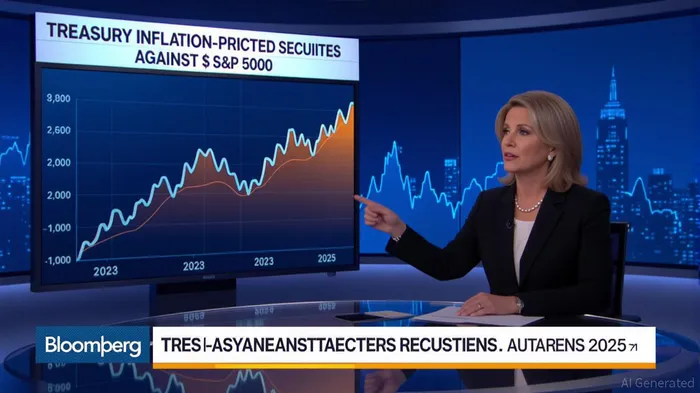
The July CPI report underscored the Federal Reserve's dilemma: while energy prices fell, shelter costs and tariff-driven inflation in household goods kept core CPI elevated. Inflation-linked bonds, such as TIPS and I-Bonds, have emerged as critical tools for investors seeking to hedge against this volatility. The 3.1% annual core CPI, coupled with the Fed's anticipated rate cuts (now priced at 67% for September), has driven demand for TIPS, which outperformed nominal Treasuries by a 120-basis-point spread in August.
However, the reliability of CPI data itself is under scrutiny. Political tensions over the Bureau of Labor Statistics' methodology—such as the replacement of survey data for wireless services and the removal of long-term care insurance from health indices—raise questions about the accuracy of inflation metrics. Investors must balance these uncertainties with the structural appeal of inflation-linked bonds, which offer a direct hedge against unanchored price expectations.
Commodities: A Tale of Two Sectors
The July CPI data revealed a bifurcated commodities landscape. Energy prices, particularly gasoline, fell sharply, dragging down headline inflation. Yet, industrial commodities like steel and copper face headwinds from Trump-era tariffs, which have disrupted supply chains and eroded margins for manufacturers. CaterpillarCAT-- and CNH IndustrialCNH--, for instance, have reported margin compression due to tariffs on imported components.
Conversely, natural gas and renewable energy commodities are gaining traction. Infrastructure spending and policy shifts toward energy independence are creating tailwinds for these sectors. Investors should consider overweighting renewables while underweighting tariff-sensitive industrial metals. Gold, though temporarily subdued amid dollar strength, remains a strategic asset for long-term inflation protection.
Rate-Sensitive Equities: Positioning for a Fed Pivot
The market's anticipation of a September rate cut has fueled a rally in rate-sensitive equities, particularly in utilities, real estate, and consumer staples. These sectors benefit from lower borrowing costs and stable cash flows, making them attractive in a low-rate environment. NextEra Energy and Dominion EnergyD--, for example, have seen their valuations rise as investors seek yield in a world of declining real rates.
Real estate equities, including REITs and homebuilders, are also poised to benefit from reduced mortgage rates and a potential housing demand surge. However, the sector's performance hinges on the Fed's ability to resolve supply chain bottlenecks and stabilize inflation expectations.
The Case for Immediate Reallocation
The July CPI data, while slightly below expectations, confirms that inflation remains a persistent threat. The Fed's focus on labor market concerns and its reluctance to act preemptively have created a policy vacuum. Investors must act decisively:
- Increase allocations to inflation-linked bonds to hedge against core CPI volatility.
- Diversify commodity exposure by favoring renewables over industrial metals.
- Overweight rate-sensitive equities to capitalize on the anticipated Fed pivot.
The upcoming release of the August CPI on September 11, 2025, and the personal consumption expenditures (PCE) index will provide further clarity. Until then, a disciplined, tactical approach to asset allocation is essential in navigating this inflationary and policy-driven landscape.

In a world of stagflationary risks and central bank inaction, the key to resilience lies not in passive endurance but in strategic adaptation. The markets are already pricing in change—now is the time to act.

Stay ahead of the market.
Get curated U.S. market news, insights and key dates delivered to your inbox.


AInvest
PRO
AInvest
PRO



Comments
No comments yet