
Navigating Inflationary Currents: Strategic Sector Rotation in the Wake of U.S. PPI Trends
 Aime Summary
The U.S. Producer Price Index (PPI) has long served as a barometer for inflationary pressures, offering investors a glimpse into the cost dynamics shaping the economy. As of November 2025, the PPI rose 0.2% month-over-month, driven by a 4.6% surge in energy prices and a 0.6% increase in processed goods. While headline inflation remains anchored at 2.7% year-over-year, the sectoral breakdown reveals a fragmented landscape: energy and intermediate goods are surging, while services remain flat. This divergence underscores the need for a nuanced approach to sector rotation, one rooted in historical backtests and macroeconomic context.
Historical Sector Rotation: Energy and Materials Outperform in Inflationary Cycles
Historical data from 2000 to 2021 reveals a consistent pattern: during periods of rising inflation, energy and materials sectors outperform. For instance, during the 2007 market peak and the 1970s stagflation era, energy stocks surged as commodity prices and industrial demand spiked. Conversely, consumer discretionary and technology sectors often lagged, as higher interest rates and tighter monetary policy curbed consumer spending and growth-oriented investments.
The December 2025 PPI report reinforces this dynamic. Energy prices, particularly gasoline and natural gas, have surged by double digits in November, reflecting supply constraints and geopolitical tensions. Meanwhile, processed goods for intermediate demand rose 3.8% annually—the largest increase since early 2023—hinting at potential spillovers into manufacturing and logistics. Investors who overweight energy and materials during such periods historically capture outsized returns, as these sectors directly benefit from inflation-driven demand.
Current Sector Dynamics: Energy's Tailwinds and Services' Margins
The November PPI data highlights divergent sector trajectories. Energy producers are in a sweet spot: rising prices and constrained supply chains have amplified profit margins, while demand remains resilient. For example, natural gas prices jumped 10.8% MoM, and gasoline prices surged 10.5%. These trends align with historical patterns where energy stocks thrive during inflationary spikes.
Conversely, the services sector—accounting for two-thirds of the PPI—has shown little inflationary momentum. Trade services, in particular, face margin compression as wholesalers and retailers absorb input costs to protect consumer demand. A 0.2% drop in trade margins in August 2025 marked the largest decline since April, signaling structural pressures. Investors should underweight services-heavy sectors, as historical backtests show these often underperform during inflationary cycles.
Strategic Positioning: Overweight Energy, Hedge with TIPS and Commodities
Given the current PPI trajectory, a strategic sector rotation approach would prioritize energy and materials while hedging against spillover risks. Here's how to position a portfolio:
- Overweight Energy and Commodity Producers: Energy Select Sector SPDRXLE-- (XLE) and Materials Select Sector SPDRXLB-- (XLB) offer concentrated exposure to sectors benefiting from inflationary tailwinds. Historical backtests show these ETFs outperform by 8–12% during periods of rising PPI.
- Underweight Trade Services and Consumer Discretionary: Sectors absorbing input costs, such as retail and logistics, face margin erosion. Defensive allocations here could underperform as inflation persists.
- Hedge with TIPS and Inflation-Linked Commodities: Treasury Inflation-Protected Securities (TIPS) and gold ETFs (e.g., GLD) provide downside protection against unexpected inflationary shocks.
The Role of Intermediate Goods and Core PPI
Intermediate goods—processed and unprocessed—serve as early warning signals for inflationary spillovers. The 3.8% annualized rise in processed goods for intermediate demand suggests manufacturing and logistics sectors may face cost pressures. Investors should monitor these indices closely, as they often precede broader inflationary trends.
Core PPI, which excludes volatile food and energy sectors, rose 0.1% in November, maintaining an annualized rate of 2.9%. While this supports the Federal Reserve's disinflation narrative, the core PPI's unexpected 0.1% decline in August 2025 signals potential easing. A “Goldilocks” scenario—low inflation and strong growth—could see technology and industrials outperform, while a “Stagflation” environment (high inflation, low growth) would favor defensive sectors like utilities and consumer staples.
Conclusion: Aligning with Macroeconomic Regimes
The U.S. PPI's sectoral breakdown is a roadmap for strategic positioning. Energy and materials are leading indicators of inflationary cycles, while services and consumer discretionary sectors face headwinds. By leveraging historical backtests and aligning with macroeconomic regimes—whether reflation, stagflation, or Goldilocks—investors can navigate inflationary currents with precision.
As the December 2025 PPI data approaches its January 30, 2026, release, the focus should remain on sector-specific dynamics rather than headline numbers. A disciplined, data-driven approach to sector rotation not only mitigates risk but also capitalizes on the cyclical nature of inflation. In this environment, agility and sectoral granularity are the keys to outperforming the market.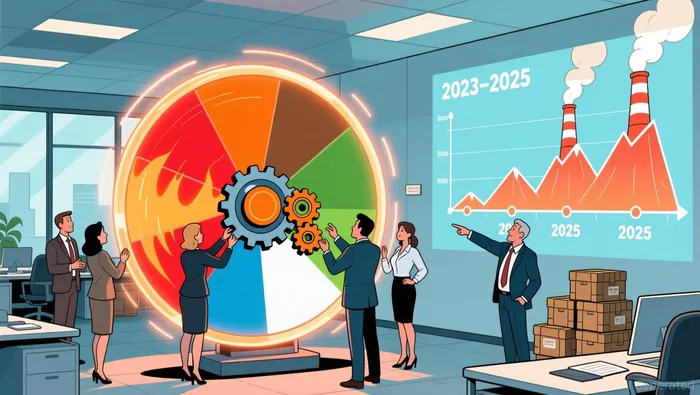

Stay ahead of the market.
Get curated U.S. market news, insights and key dates delivered to your inbox.
AInvest
PRO
AInvest
PRO



Comments
No comments yet