
Navigating Global Economic Crosscurrents: Trade Tensions, Inflation, and Demographic Shifts
The global economy is at an inflection point. Trade wars, shifting currency dynamics, and demographic crises are reshaping investment landscapes. Let's dissect the key trends and what they mean for investors.

US-China Trade Deal: A Fragile Truce with Hidden Costs
The recent US-China trade agreement has reduced tariffs but left critical barriers intact. US tariffs on Chinese goods now average 30%, while China's tariffs dropped to 10%. However, rare earth minerals—a strategic sector—remain a battleground, with the US imposing 55% tariffs and China at 10%.
The data tells a stark story: Chinese exports to the US fell 34.5% year-on-year in May, but exports to Southeast Asia surged. This suggests companies are transshipping goods to bypass tariffs—a short-term fix but one that strains global supply chains.
Investment Takeaway: Avoid overexposure to manufacturers reliant on US-China trade. Instead, look to Southeast Asia-based firms positioned to capitalize on transshipping demand.
Inflation: A Delicate Balancing Act
US inflation remains subdued, at 2.4% year-on-year in May, while core inflation held steady at 2.8%. The Federal Reserve has paused rate hikes, citing lingering risks from tariffs. But there's a catch: service-sector inflation has dropped to 3.7%—the lowest since 2021.
The key wildcard is labor markets. While the US added 139,000 jobs in May (driven by healthcare and food services), manufacturing and retail employment declined. The labor force participation rate fell to 62.4%, raising concerns about future wage pressures.
Investment Takeaway: Short-term inflation trends are benign, but structural labor shortages could reignite pricing pressures. Consider hedging with inflation-protected bonds (e.g., TIPS) or commodities like copper.
Eurozone: A Contrasting Narrative
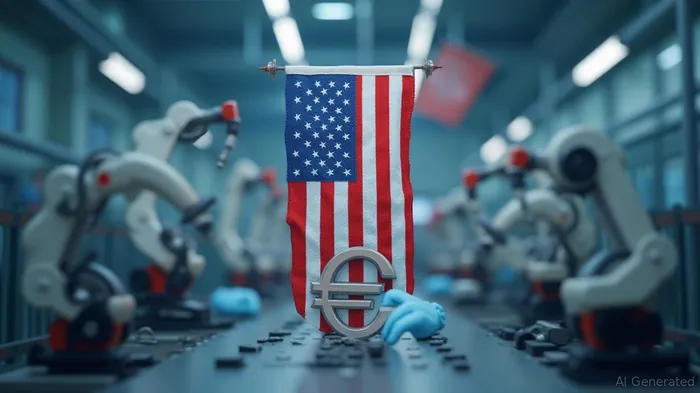
While the US economy stumbles, the Eurozone is gaining traction. Inflation dropped to 1.9% in May, enabling the ECB to cut rates further. The euro has strengthened to a three-year high against the dollar, aided by falling energy prices and aggressive ECB policy.
But risks lurk. Trade negotiations with the US over automotive tariffs and data regulations could disrupt momentum.
Investment Takeaway: The Eurozone's resilience makes it a better bet than the US for cyclical sectors like industrials and autos.
Japan's Demographic Crisis: A Silent Tsunami
Japan's population decline is accelerating. Births hit a record low in 2024, with a fertility rate of 1.15—a disaster for long-term growth. The workforce is shrinking, and automation can't fully offset this.
Investment Takeaway: Avoid Japanese equities tied to domestic consumption. Instead, focus on robotics and healthcare companies (e.g., Terumo Corp) addressing aging-related needs.
The Bottom Line
Investors must navigate a world of fragmented growth. Key plays include:
1. Eurozone industrials (e.g., Siemens, STMicroelectronics) to capitalize on rate cuts and a stronger euro.
2. Southeast Asia-based logistics firms (e.g., J&T Express) benefiting from transshipping demand.
3. Automation and healthcare stocks in Japan to address demographic challenges.
4. Inflation hedges like copper (COPPER) or gold ETFs (GLD) as labor markets tighten.
The next 12 months will test whether these trends solidify or reverse. Stay nimble.

Stay ahead of the market.
Get curated U.S. market news, insights and key dates delivered to your inbox.


AInvest
PRO
AInvest
PRO



Comments
No comments yet