
Navigating Geopolitical Storms: How Middle East Tensions Are Shaping Energy Markets and Investment Strategies
The simmering Iran-Israel conflict has sent shockwaves through global energy markets, with Brent crude prices surging to near $77 per barrel in June 2025—marking a 14% climb over a week. This volatility has not only rattled investors but also influenced central banks like the Bank of England, which held rates at 4.25% to combat inflation risks tied to oil price spikes. As geopolitical tensions in the Middle East escalate, strategic allocations to oil-linked assets and hedging strategies have become critical for investors seeking to capitalize on—or mitigate—the fallout.
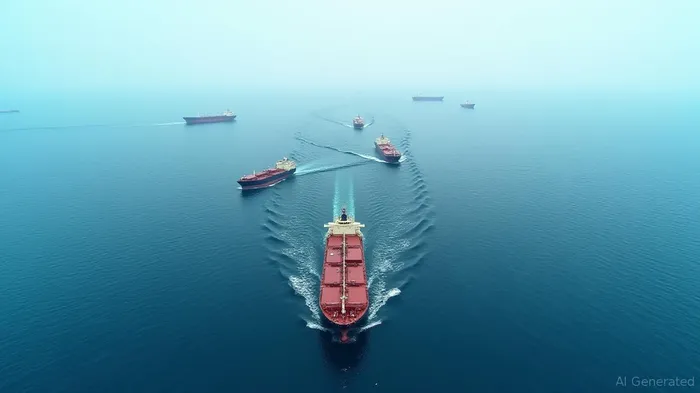
Geopolitical Risks and the Oil Price Connection
History shows that Middle East conflicts and oil price spikes are inextricably linked. The Iran-Iraq War (1980–1988) and 1990 Gulf War triggered sharp price surges, even without immediate supply disruptions. Fear of disruption alone is a powerful driver. For instance, the 2019 Saudi Aramco attacks—a 5.7 million b/d supply shock—caused Brent prices to spike by 19.5% in a single day. While markets eventually stabilized, analysts noted a persistent $5–$10 per barrel geopolitical premium that lingered for months.
Today's Iran-Israel standoff threatens to recreate this dynamic. If tensions escalate into a full-scale conflict, the Strait of Hormuz—handling 20% of global oil trade—could face blockades or sabotage. Deutsche BankDB-- estimates this could push prices to $120 per barrel. Even a partial disruption would add $5–$7 to current prices, as seen in recent weeks.
The Bank of England's Caution: Inflation Risks in Focus
The BoE's June 2025 decision to hold rates at 4.25% underscores its concern over inflationary pressures stemming from oil volatility. With UK inflation at 3.4% (above the 2% target), energy costs remain a key wildcard. A 10% oil price rise could boost CPI by 0.2–0.3 percentage points, complicating efforts to stabilize prices. The central bank's “gradual and careful” approach reflects its reluctance to cut rates until inflation shows clear signs of easing—a path that hinges on geopolitical calm.
Strategic Allocation to Oil-Linked Assets
Investors seeking exposure to oil price movements must navigate both opportunities and risks. The United States Oil Fund (USO)—the largest oil ETF—offers direct exposure to WTI crude futures. While USO surged over 4% in June 2025 alongside rising oil prices, its performance is hampered by contango (when futures prices exceed spot prices). This means prolonged holdings can erode returns unless prices keep rising.
Recommendations:
- Short-Term Plays: Use USO for tactical bets on geopolitical-driven spikes. Pair it with inverse ETFs like the ProShares UltraShort Oil & Gas (SGO) to hedge against sudden de-escalation.
- Energy Equities: Companies like ExxonMobil (XOM) and Chevron (CVX) offer resilience through dividends and diversified operations. Both have strong geopolitical risk management strategies, including infrastructure hardening and alternative supply routes.
- Long-Term Mitigation: The United States 12 Month Oil Fund (USL) reduces contango risks by holding futures contracts across a 12-month strip.
Hedging Against De-Risking Scenarios
Not all geopolitical risks materialize into prolonged supply shocks. If tensions ease—say, through U.S. diplomatic efforts—oil prices could drop to $60–$65 per barrel, pressured by oversupply and rising global inventories. To guard against this, consider:
1. Options Strategies: Buy put options on USO or sell call options on energy stocks to profit from price declines.
2. Gold as a Safe Haven: Allocate 5–10% of portfolios to SPDR Gold Shares (GLD), which historically outperforms during geopolitical uncertainty.
3. Diversification: Balance oil exposure with sectors less tied to energy prices, such as healthcare or tech.
Key Risks to Monitor
- OPEC+ Production Decisions: The cartel's July 2025 output hike of 411,000 b/d may alleviate near-term pressures, but spare capacity is limited.
- U.S. Shale Flexibility: U.S. shale producers, now a net exporter, can ramp up production in 6–12 months if prices stay high.
- Tariff Risks: U.S. trade policies, including potential reimposition of tariffs, could add to inflationary headwinds.
Conclusion: Stay Nimble, Stay Informed
Geopolitical tensions in the Middle East are a double-edged sword for energy markets. While they create opportunities in oil-linked assets, they also demand vigilance. Investors should prioritize short-term tactical allocations to USO and energy equities, while using hedging tools to mitigate downside risks. The Bank of England's cautious stance reinforces the need to monitor inflation data and central bank communications closely.
In a world where a single drone strike can send oil prices soaring, adaptability is key. Position portfolios to weather the storm—and profit from it—by balancing exposure, hedging, and a close watch on the horizon.
This analysis emphasizes the interplay between geopolitical dynamics, energy markets, and central bank policy. For further insights, track Brent crude futures, the USO ETF, and inflation metrics like the CPI to stay ahead of shifts in this volatile landscape.

Stay ahead of the market.
Get curated U.S. market news, insights and key dates delivered to your inbox.
AInvest
PRO
AInvest
PRO



Comments
No comments yet