
Navigating Geopolitical Risks and Their Impact on Energy Market Volatility
Generated by AI AgentAinvest Investing 101
Friday, Feb 7, 2025 8:35 pm ET2min read
Introduction
In today's interconnected world, geopolitical events can have significant repercussions on global markets, especially in the energy sector. Understanding geopolitical risks is crucial for investors, as these risks can lead to sudden and unpredictable changes in energy prices. This article explores the concept of geopolitical risks, how they influence energy market volatility, and what investors can do to navigate these challenges effectively.
Core Concept Explanation
Geopolitical risks refer to the uncertainties and potential conflicts arising from the political and economic interactions between countries. These risks can stem from events such as wars, political instability, trade disputes, and international sanctions. In the context of the energy market, geopolitical risks often impact the supply chain of oil, natural gas, and other energy commodities, leading to price fluctuations.
For instance, when a major oil-producing country faces political unrest, the potential for supply disruptions can cause oil prices to skyrocket. Conversely, the resolution of a geopolitical conflict might lead to increased supply and lower prices. Thus, geopolitical risks are an important factor in the volatility of energy markets.
Application and Strategies
Investors can apply their understanding of geopolitical risks to make informed decisions in the energy market. Here are some strategies to consider:
Diversification: By diversifying their portfolios across different asset classes and geographical regions, investors can reduce their exposure to any single geopolitical event. This can help mitigate potential losses from sudden energy price changes.
Hedging: Investors can use financial instruments like futures contracts and options to hedge against price volatility in the energy market. Hedging can provide a safety net during periods of heightened geopolitical tension.
Monitoring News and Trends: Staying informed about global political developments can help investors anticipate potential impacts on the energy market. Understanding the geopolitical landscape allows investors to act swiftly in response to emerging risks.
Case Study Analysis
A notable example of geopolitical risks impacting the energy market is the 2019 attack on Saudi Aramco's oil facilities. This event temporarily cut Saudi Arabia's oil production by half, leading to a significant spike in oil prices worldwide. Investors who were aware of the geopolitical tensions in the region and had diversified their portfolios or hedged their positions were better equipped to manage the sudden price surge.
Another example is the sanctions imposed on Iran, which have affected global oil supply by limiting Iranian exports. These sanctions have contributed to increased volatility in oil prices, demonstrating the importance of understanding geopolitical risks when investing in the energy sector.
Risks and Considerations
While geopolitical risks can present investment opportunities, they also carry significant risks. Investors should be aware of the following:
Unpredictability: Geopolitical events can be highly unpredictable, making it challenging to forecast their impact on energy markets accurately.
Complex Interrelations: The interconnectedness of global markets means that geopolitical events in one region can have ripple effects elsewhere, adding to the complexity of assessing risks.
To mitigate these risks, investors should conduct thorough research, stay informed about global political developments, and develop a robust risk management strategy. Consulting with financial advisors and using analytical tools can also provide valuable insights.
Conclusion
Geopolitical risks are an inherent part of investing in the energy market, contributing to its volatility. By understanding these risks and employing strategies like diversification, hedging, and staying informed, investors can navigate the uncertainties more effectively. As the global political landscape continues to evolve, being prepared and adaptable will remain essential for making informed investment decisions in the energy sector.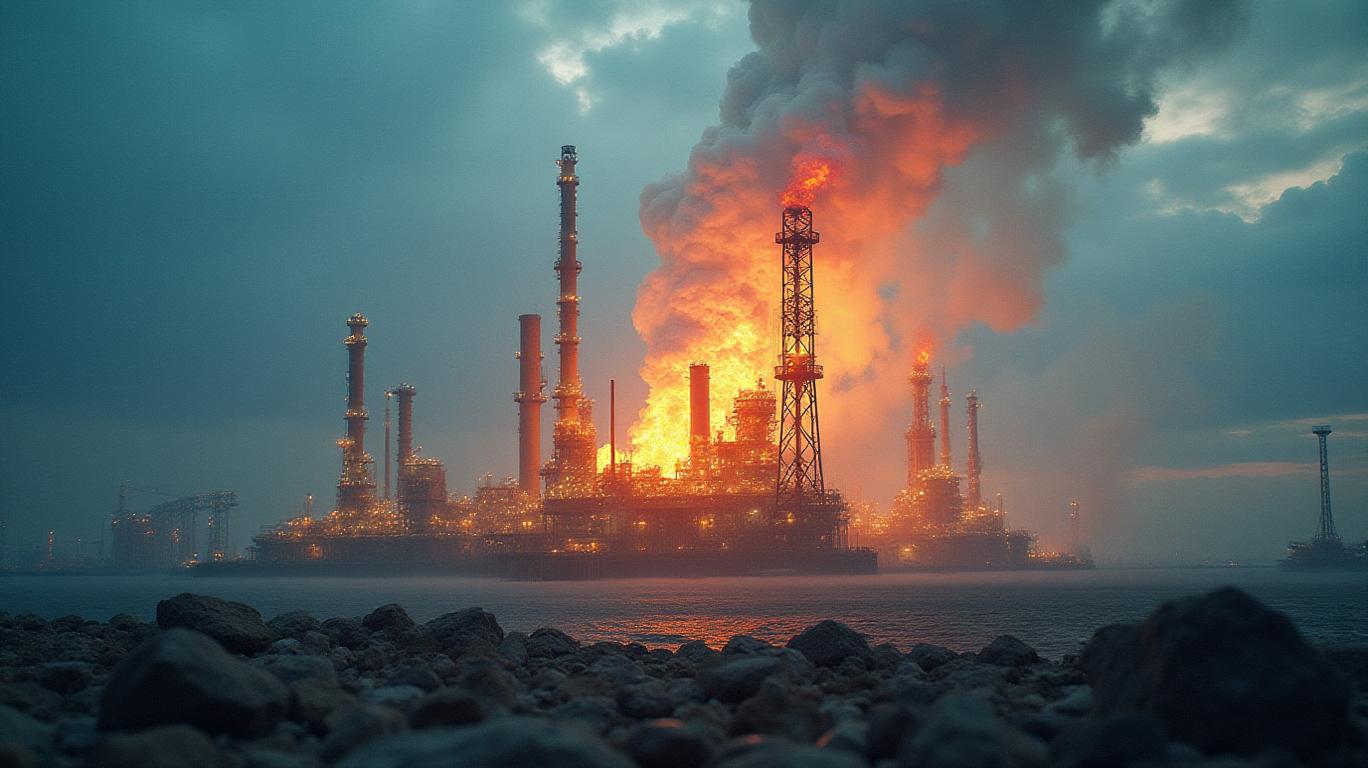
In today's interconnected world, geopolitical events can have significant repercussions on global markets, especially in the energy sector. Understanding geopolitical risks is crucial for investors, as these risks can lead to sudden and unpredictable changes in energy prices. This article explores the concept of geopolitical risks, how they influence energy market volatility, and what investors can do to navigate these challenges effectively.
Core Concept Explanation
Geopolitical risks refer to the uncertainties and potential conflicts arising from the political and economic interactions between countries. These risks can stem from events such as wars, political instability, trade disputes, and international sanctions. In the context of the energy market, geopolitical risks often impact the supply chain of oil, natural gas, and other energy commodities, leading to price fluctuations.
For instance, when a major oil-producing country faces political unrest, the potential for supply disruptions can cause oil prices to skyrocket. Conversely, the resolution of a geopolitical conflict might lead to increased supply and lower prices. Thus, geopolitical risks are an important factor in the volatility of energy markets.
Application and Strategies
Investors can apply their understanding of geopolitical risks to make informed decisions in the energy market. Here are some strategies to consider:
Diversification: By diversifying their portfolios across different asset classes and geographical regions, investors can reduce their exposure to any single geopolitical event. This can help mitigate potential losses from sudden energy price changes.
Hedging: Investors can use financial instruments like futures contracts and options to hedge against price volatility in the energy market. Hedging can provide a safety net during periods of heightened geopolitical tension.
Monitoring News and Trends: Staying informed about global political developments can help investors anticipate potential impacts on the energy market. Understanding the geopolitical landscape allows investors to act swiftly in response to emerging risks.
Case Study Analysis
A notable example of geopolitical risks impacting the energy market is the 2019 attack on Saudi Aramco's oil facilities. This event temporarily cut Saudi Arabia's oil production by half, leading to a significant spike in oil prices worldwide. Investors who were aware of the geopolitical tensions in the region and had diversified their portfolios or hedged their positions were better equipped to manage the sudden price surge.
Another example is the sanctions imposed on Iran, which have affected global oil supply by limiting Iranian exports. These sanctions have contributed to increased volatility in oil prices, demonstrating the importance of understanding geopolitical risks when investing in the energy sector.
Risks and Considerations
While geopolitical risks can present investment opportunities, they also carry significant risks. Investors should be aware of the following:
Unpredictability: Geopolitical events can be highly unpredictable, making it challenging to forecast their impact on energy markets accurately.
Complex Interrelations: The interconnectedness of global markets means that geopolitical events in one region can have ripple effects elsewhere, adding to the complexity of assessing risks.
To mitigate these risks, investors should conduct thorough research, stay informed about global political developments, and develop a robust risk management strategy. Consulting with financial advisors and using analytical tools can also provide valuable insights.
Conclusion
Geopolitical risks are an inherent part of investing in the energy market, contributing to its volatility. By understanding these risks and employing strategies like diversification, hedging, and staying informed, investors can navigate the uncertainties more effectively. As the global political landscape continues to evolve, being prepared and adaptable will remain essential for making informed investment decisions in the energy sector.

Stay ahead of the market.
Get curated U.S. market news, insights and key dates delivered to your inbox.


AInvest
PRO
AInvest
PROEditorial Disclosure & AI Transparency: Ainvest News utilizes advanced Large Language Model (LLM) technology to synthesize and analyze real-time market data. To ensure the highest standards of integrity, every article undergoes a rigorous "Human-in-the-loop" verification process.
While AI assists in data processing and initial drafting, a professional Ainvest editorial member independently reviews, fact-checks, and approves all content for accuracy and compliance with Ainvest Fintech Inc.’s editorial standards. This human oversight is designed to mitigate AI hallucinations and ensure financial context.
Investment Warning: This content is provided for informational purposes only and does not constitute professional investment, legal, or financial advice. Markets involve inherent risks. Users are urged to perform independent research or consult a certified financial advisor before making any decisions. Ainvest Fintech Inc. disclaims all liability for actions taken based on this information. Found an error?Report an Issue


ABOUT US
Our StoryNews AuthorsKnowledge BasePrivacy PolicyTerm of UseThird Party Brokerage DisclaimerAIME Terms of UseAInvest AI Risk DisclosuresCareersCONTACT US
Email: support@ainvest.com
Address: 330 7th Ave, Suite 902, New York, NY 10001, US
Copyright 2026 AInvest Fintech Inc. All rights reserved.


Comments
No comments yet