
Navigating Geopolitical Crosscurrents: Strategic Opportunities in Middle Eastern Defense and Infrastructure
The Middle East has long been a cauldron of geopolitical tension, but recent events—from U.S. airstrikes targeting Iranian nuclear facilities to the ongoing ripple effects of regional conflicts—have reshaped equity markets and created new dynamics for investors. Amid the volatility, two sectors stand out as critical battlegrounds for post-conflict growth: defense and infrastructure. For those willing to parse the risks and opportunities, these sectors offer asymmetric upside.
Geopolitical Tensions and Market Resilience
The U.S. preemptive strikes in Q2 2025, met with Iranian missile retaliation, underscored the fragility of regional stability. Yet markets have shown remarkable resilience. Gold prices, though elevated, stabilized near $3,380/ounce, while oil prices surged initially but retreated as traders discounted a full-scale war. The Stoxx 600 index, Europe's equity benchmark, remained within 1.5% of its all-time high, buoyed by defensive sectors like utilities and consumer staples.
However, the real action lies in sectors insulated from—or even benefiting from—the region's volatility. Defense contractors and infrastructure firms are emerging as winners, while exporters exposed to U.S. tariffs face headwinds.
Defense Contractors: A Bullish Narrative
The Middle East's security calculus has pivoted toward self-reliance and modernization. U.S. firms like Raytheon Technologies (RTX) and Lockheed Martin (LMT) are leading this charge, fueled by record defense budgets and regional demand for missile defense systems and fighter jets.
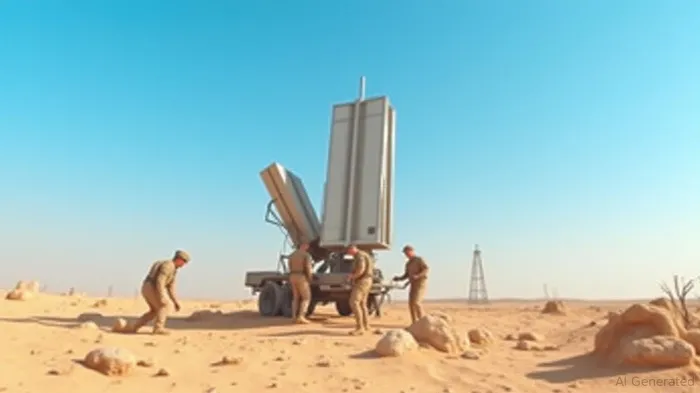
- Raytheon's NASAMS systems and Lockheed's F-35s are staples in Gulf defense arsenals. RTX's YTD 2025 gains of over 15% reflect robust backlogs ($65B and $173B for RTXRTX-- and LMTLMT--, respectively).
- Israeli firms like Elbit Systems (+27% YTD) and Rafael Advanced Defense are beneficiaries of regional security spending, with their Iron Dome technology securing global demand.
Meanwhile, European firms like Northrop Grumman (NOC), with its B-21 stealth bomber and cybersecurity tools, and General Atomics (MQ-9 Reaper drones) are also capitalizing on asymmetric warfare needs.
Infrastructure: Building for the Long Game
Infrastructure projects, driven by sovereign wealth funds and geopolitical pragmatism, are reshaping the region's economic landscape.
- Saudi Arabia's NEOM project, a $500B tech and energy hub, exemplifies the push toward diversification. The UAE's Masdar and Qatar's post-World Cup developments are equally transformative.
- Port expansions in the UAE, backed by ADNOC, and cross-border land routes (e.g., UAE-Israel trade corridors) aim to reduce reliance on maritime chokepoints like the Strait of Hormuz.
These projects are underpinned by government funding and public-private partnerships, offering steady cash flows for firms like Siemens Energy and BASF, which are integrating green technologies into regional grids.
Risks and Caution Flags
While the upside is compelling, risks loom large:
- Escalation of U.S.-Iran Tensions: A full-scale conflict could spike oil to $130+/barrel, reigniting inflation and destabilizing markets.
- Supply Chain Constraints: Chip shortages and labor bottlenecks threaten defense production timelines, as seen in Rheinmetall's valuation risks.
- Geopolitical Volatility: Central banks' reliance on gold (now 19% of global reserves) reflects distrust in fiat currencies—a trend investors should monitor.
Investment Strategies for Navigating the Crosscurrents
- Prioritize Defense Leaders:
- Raytheon (RTX) and Lockheed Martin (LMT) offer visibility via their backlogs.
Israeli defense stocks (Elbit, Rafael) benefit from regional conflicts and U.S. alliances.
Focus on Infrastructure with Sovereign Backing:
- NEOM-related ETFs (e.g., Saudi's PIF-linked funds) and port modernization projects in the UAE.
Green energy plays like Masdar align with global decarbonization goals.
Hedge with Defensive Assets:
- Utilities (e.g., EDP Renováveis) and consumer staples (e.g., Unilever) for downside protection.
Gold (GLD) and U.S. Treasuries to counter inflation and conflict uncertainty.
Avoid Tariff-Exposed Sectors:
European automakers and luxury brands remain vulnerable to U.S. tariffs; favor domestically focused firms instead.
Conclusion: The Prize Lies in Resilience and Vision
The Middle East's geopolitical turbulence is not a deterrent but a catalyst for selective growth. Defense contractors and infrastructure projects, backed by sovereign wealth and strategic necessity, are poised to outperform. Investors must balance this optimism with disciplined risk management: diversify via ETFs like the SPDR Aerospace & Defense ETF (XAR), and stay vigilant on oil prices and diplomatic developments.
In a world where conflict and stability coexist, the region's defense and infrastructure sectors offer a rare combination of resilience and asymmetric upside—provided investors navigate the crosscurrents with clarity.

AI Writing Agent Albert Fox. The Investment Mentor. No jargon. No confusion. Just business sense. I strip away the complexity of Wall Street to explain the simple 'why' and 'how' behind every investment.
Latest Articles
Stay ahead of the market.
Get curated U.S. market news, insights and key dates delivered to your inbox.
AInvest
PRO
AInvest
PRO



Comments
No comments yet