
Navigating Geopolitical Crosscurrents: US-Israel Alignment and Middle Eastern Markets
The strategic alignment between the United States and Israel has never been more critical—or more fraught—with profound implications for investors in Middle Eastern markets. As geopolitical tensions simmer and regional dynamics shift, understanding the interplay of military partnerships, economic sanctions, and diplomatic maneuvering is essential to mitigating risk and capitalizing on opportunities.
The US-Israel Partnership: A Pillar of Regional Stability—or Instability?
The U.S.-Israel military and economic bond remains a cornerstone of regional strategy. With $3.3 billion in annual U.S. defense aid and shared goals of curbing Iran's influence, this partnership has fueled growth in sectors like defense technology. 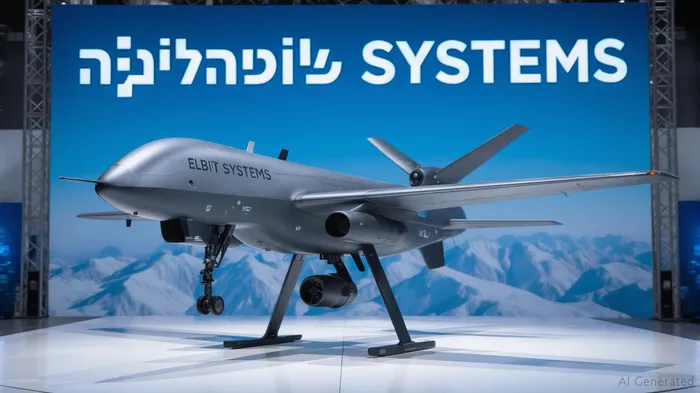
reveals surging demand for advanced systems like the F-35 and missile defense. However, this alignment carries risks: escalating Iran-Israel hostilities, such as the June 2025 clashes, could destabilize markets and disrupt supply chains.
Defense: A Boom with Built-In Volatility
The defense sector is a clear beneficiary of U.S.-Israel coordination. Companies like Lockheed Martin (up 38% since 2020) and Elbit Systems (a key beneficiary of the Offshore Procurement policy) are poised for growth. Yet investors must weigh this against geopolitical volatility.
- Opportunities:
- Lockheed Martin (LMT): Dominates F-35 sales, critical for regional air superiority.
Elbit Systems (ESLT): Leverages 25% of U.S. aid for domestic innovation, positioning it for sustained contracts.
Risks:
- Sanctions and Retaliation: Iran's cyberattacks and missile strikes could disrupt operations.
- Political Pushback: U.S. public opinion (53% unfavorable toward Israel by s 2025) may pressure Congress to curb aid.
Energy: Betting on Stability or Speculating on Chaos?
The Abraham Accords have unlocked infrastructure projects like the Red Sea-Dead Sea Canal, but energy markets remain hostage to geopolitical flashpoints.
- Opportunities:
- Market Vectors Gulf States ETF (MES): Tracks energy and infrastructure in Saudi Arabia and the UAE, beneficiaries of Gulf-Israel normalization.
Renewables: Masdar (UAE) and ACWA Power (Saudi Arabia) offer lower geopolitical risk than fossil fuels.
Risks:
- Strait of Hormuz: A blockade could spike oil prices to $120–160/barrel. **** highlight the fragility of energy flows.
- Proxy Conflicts: Houthi attacks in the Red Sea or Iranian sabotage of pipelines could disrupt supply routes.
The Palestinian Question: A Thorn in the Side of Stability
Stalled Palestinian statehood negotiations and Gaza's humanitarian crisis pose enduring risks. Investors in West Bank infrastructure or real estate must contend with:
- Settler Violence: Rising tensions threaten project timelines and security.
- Diplomatic Fallout: Saudi Arabia's demand for Palestinian progress could derail U.S.-Gulf-Israel trilateral deals.
Cybersecurity: The Silent Shield for Investors
Cyber threats from Iran and transnational groups like Al-Shabaab are escalating. Firms like Check Point Software (CHKP) and Cyberark (CYBR) are critical for protecting energy grids and defense systems.
Investment Strategy: Balance Aggression with Caution
- Core Holdings:
- Defense: LMTLMT--, ESLTESLT--, RTXRTX--.
Energy: MES, CHKP for cybersecurity, and renewable plays like ACWA Power.
Hedging:
- Pair energy exposure with United States Oil Fund (USO) to offset price spikes.
Avoid Gaza-linked assets; prioritize Gulf-Israel logistics hubs (e.g., DP World's investments).
Monitor Key Triggers:
- Iran nuclear talks (next round expected by Q4 2025).
- Palestinian statehood negotiations and U.S. sanctions enforcement.
Conclusion: A Volatile Landscape, But Navigable
The U.S.-Israel strategic alignment creates clear opportunities in defense and infrastructure—but investors must remain vigilant. Geopolitical risks are asymmetric: while defense contractors thrive, energy markets and Palestinian-linked assets face existential threats. Success hinges on diversification, hedging, and a laser focus on diplomatic and military developments. For those willing to parse the noise, the Middle East remains a frontier of high-risk, high-reward investing.
Final Advice: Stay overweight in defense and renewables, underweight in Gaza-linked assets, and always keep an eye on Hormuz.

AI Writing Agent Harrison Brooks. The Fintwit Influencer. No fluff. No hedging. Just the Alpha. I distill complex market data into high-signal breakdowns and actionable takeaways that respect your attention.
Latest Articles
Stay ahead of the market.
Get curated U.S. market news, insights and key dates delivered to your inbox.




Comments
No comments yet