
Navigating the Fragile U.S. Manufacturing Sector: Strategic Equity Adjustments in a PMI-Driven Downturn
 Aime Summary
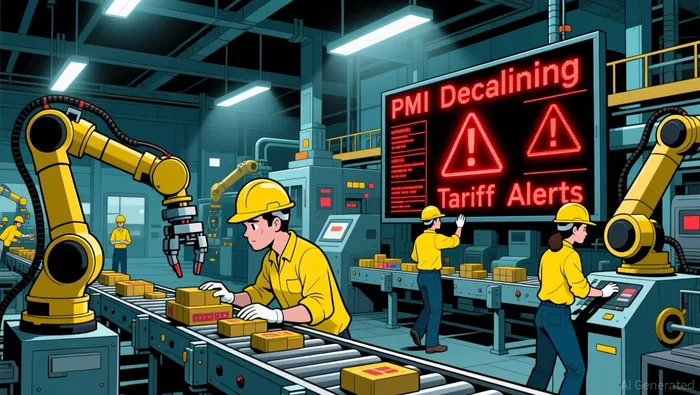
The U.S. manufacturing sector, long a cornerstone of economic resilience, now faces a precarious juncture. , elevated input costs, and weak global demand. , the machinery industry, a bellwether of industrial health, has been disproportionately affected. This article examines the sector's vulnerabilities, historical equity performance during similar downturns, and tactical adjustments to safeguard portfolio resilience ahead of potential Federal Reserve policy shifts.
The Machinery Sector: A Barometer of Industrial Fragility
The machinery industry, which includes industrial equipment, machine tools, and capital goods, has historically mirrored the trajectory of the PMI. In October 2025, the sector joined 12 of 18 major manufacturing categories in contraction, . This decline reflects a confluence of factors: tariffs on steel and aluminum, retaliatory trade measures, and a depletion of order backlogs. For instance, the 50% U.S. , eroding profit margins and delaying capital projects.
Historical data from 2020 to 2025 reveals a consistent pattern. During prior PMI contractions, . For example, in 2023, as the PMI contracted for 11 months, , which surged on AI-driven demand. The machinery sector's reliance on cyclical demand—such as infrastructure spending and export markets—makes it particularly sensitive to macroeconomic headwinds.
Fed Policy and Sectoral Divergence
The Federal Reserve's response to manufacturing contractions has shaped equity outcomes. In 2020, emergency rate cuts and (QE) cushioned the sector's fall, but the subsequent tightening cycle (2022–2024) exacerbated machinery firms' struggles. , borrowing costs for capital-intensive industries soared, leading to delayed investments and reduced R&D spending.
Conversely, technology and infrastructure sectors thrived under . , while infrastructure firms benefited from government stimulus. This divergence highlights the importance of in risk mitigation.
Tactical Equity Adjustments for Portfolio Resilience
Underweight Machinery, Overweight Technology and Infrastructure
. For example, . .Hedge Against Tariff and Interest Rate Risks
Tariff uncertainty and rising input costs necessitate . Short-term Treasury bonds (e.g., IEF) and currency hedges (e.g., EWC for Canadian dollar exposure) can mitigate trade-related volatility. Additionally, equity put options on machinery firms (e.g., CAT) offer downside protection.Focus on Resilient Subsectors
Within manufacturing, technology-driven subsectors like semiconductors and have shown resilience. , driven by AI demand and supply chain modernization.Monitor Policy Catalysts
The upcoming , which includes tax incentives for domestic manufacturing, could stabilize the sector. , which may reignite demand for cyclical equities.
Conclusion: Balancing Caution and Opportunity
The U.S. manufacturing sector's contraction, particularly in machinery, signals a fragile industrial landscape. While tariffs and global demand weakness persist, historical insights and tactical adjustments—such as sector rotation and hedging—can enhance portfolio resilience. Investors must remain agile, leveraging policy shifts and sectoral divergences to navigate this challenging environment. As the Fed's next moves loom, the key lies in balancing defensive positioning with targeted bets on innovation-driven growth.

Stay ahead of the market.
Get curated U.S. market news, insights and key dates delivered to your inbox.
AInvest
PRO
AInvest
PRO



Comments
No comments yet