
Navigating the Fed's Pivot: How Investors Can Capitalize on the Coming Rate Cuts
The Federal Reserve's pivot toward rate cuts in 2025 is no longer a question of if, but when and how aggressively. GoldmanGS-- Sachs' revised forecasts—anticipating three 25-basis-point reductions starting in September—signal a critical inflection point for investors. With the terminal rate now projected to drop to 3.00%-3.25%, the implications for fixed income, sectors, and geopolitical risks are profound. Here's how to position portfolios to seize the opportunities while navigating the pitfalls.
The Drivers of the Fed's Shift
Goldman Sachs identifies three key forces behind the revised outlook:
1. Tariffs as a "one-time level shift": The Trump-era tariffs, once feared to stoke persistent inflation, now appear to have caused only a temporary spike in sectors like automotive. Monthly inflation data reflects this transient impact, easing Fed concerns about long-term price stability.
2. Faster disinflation: Core inflation metrics, including the Fed's preferred PCE measure, are declining faster than expected. Rent deflation and moderating wage growth (now at 4% year-on-year) are critical to this trend.
3. Labor market softness: While resilient today, seasonal and structural shifts—including immigration-driven labor supply—are expected to weaken hiring over time. This, combined with the Fed's newfound willingness to enact “insurance cuts” to preempt a recession, solidifies the case for earlier easing.
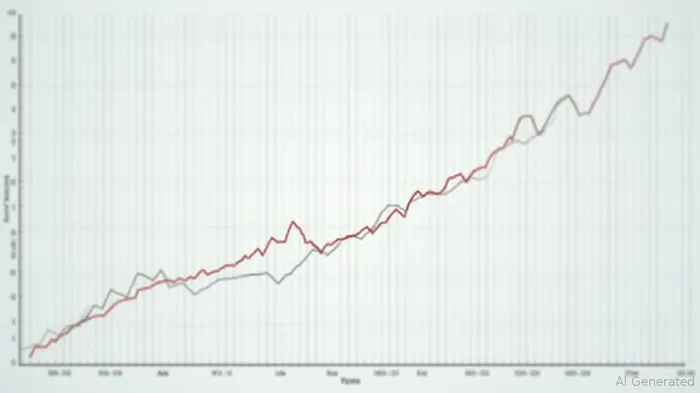
Fixed Income: The Core of Opportunity
The bond market is the immediate beneficiary of this pivot. Goldman recommends:
- Extending duration exposure: Focus on long-dated Treasuries, such as 10-year notes, to capitalize on falling yields. A flattening yield curve creates a tactical advantage: . Investors can profit by buying longer-term bonds while shorting shorter-term instruments.
- Inflation-hedging allocations: A 5-10% stake in inflation-protected securities (TIPS) guards against the risk of persistent inflation, even as core metrics ease.
- Cyclical caution: Avoid overexposure to cyclical sectors like industrials and financials, where credit quality may deteriorate if the labor market weakens more sharply than expected.
Sector Strategies: Utilities and Healthcare Lead
Equities are less straightforward, but certain sectors offer stability:
- Utilities and healthcare: These defensive sectors, insulated from economic cycles, are poised to outperform. . Their low volatility and steady dividends align with a Fed easing environment.
- Tech and rate-sensitive stocks: Tech's valuation multiples may expand as rates fall, but investors should prioritize companies with strong balance sheets.
Historically, the S&P 500 has delivered an average return of 14.93% during the 30 trading days following rate cuts since 2020, though with significant volatility—peaking at a maximum drawdown of -31.82%. This underscores the potential upside of equities during Fed easing, but also the need for caution: the strategy's Sharpe ratio of 0.29 reflects its uneven risk-adjusted performance. While the data supports the idea that rate cuts can boost equity markets, the drawdown highlights the enduring risks of geopolitical shocks or labor market resilience derailing the Fed's path.
Risks to the Outlook
No strategy is without peril. Key risks include:
- Labor market resilience: If wage growth or job creation surprises to the upside, the Fed could delay cuts, compressing bond prices.
- Geopolitical shocks: Middle Eastern oil supply disruptions or Fed independence debates (fueled by political rhetoric from Washington) could destabilize markets.
- Credit quality: Cyclical industries may struggle if the economy slows, widening corporate bond spreads. .
Political Crosscurrents
The Fed's independence is under scrutiny. Treasury Secretary Scott Bessent's emphasis on aligning policy with the administration's priorities, coupled with President Trump's criticism of Chair Powell, adds volatility. Investors must remain agile, as leadership changes or policy missteps could alter the rate-cut trajectory.
Final Takeaway: Act, but Proceed with Caution
The Fed's pivot is a once-in-a-cycle opportunity. Positioning for falling rates—via extended duration, TIPS, and defensive equities—could yield significant gains. However, investors must stay vigilant: monitor the September jobs report closely, and avoid overcommitting to risky assets until the Fed's path crystallizes. As Goldman's analysis underscores, the bond market is now the arena for decisive action—and the clock is ticking.
In the end, the Fed's shift is a call to rebalance portfolios with discipline. The era of ultra-high rates is ending, but the risks of missteps remain. The time to prepare is now.

Stay ahead of the market.
Get curated U.S. market news, insights and key dates delivered to your inbox.
AInvest
PRO
AInvest
PRO



Comments
No comments yet