
Navigating the Fed's Inflation Crossroads: Strategies for Fixed Income Volatility
The Federal Reserve's June FOMC minutes revealed a stark divide among officials over whether tariffs will cause fleeting or lasting inflationary pressures. This disagreement has created fertile ground for volatility in fixed income markets, with Treasury yields and credit spreads oscillating as investors grapple with policy uncertainty. For bond investors, this divergence presents a strategic opportunity to capitalize on mispricings while hedging against potential Fed missteps.
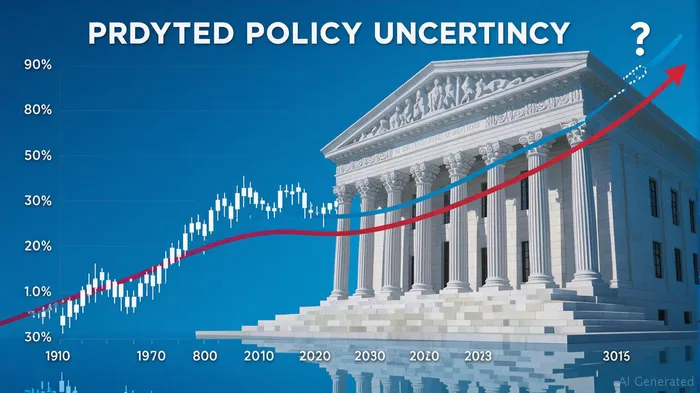
The Fed's Split Vision: A Catalyst for Market Chaos
The June meeting highlighted two camps: a majority warning that tariffs could “destabilize inflation expectations” if sustained, and a minority dismissing their impact as temporary. This split is reflected in the Fed's economic projections: while the median path calls for rate cuts to 3.9% by year-end, individual forecasts spanned from immediate cuts to holding rates steady.
The implications for fixed income are profound. If inflation proves persistent, Treasury yields could spike as the Fed delays cuts, widening credit spreads. Conversely, if tariffs' effects are transient, the Fed's rate-cut path will flatten the yield curve, rewarding duration exposure.
Duration: A Barometer of Inflationary Fears
Treasuries are caught in a tug-of-war between Fed guidance and inflation data. Yields fell modestly in Q2 as the Fed signaled dovishness, with the 10-year Treasury yield dipping to 4.38%—but this masks underlying tension.
Investment Strategy:
- Extend Duration if Fed Cuts Emerge: If the Fed's median path holds, intermediate Treasuries (5–10 years) will outperform as yields drop. The June minutes noted “some weakening in labor markets” could accelerate cuts.
- Shorten Duration if Inflation Surges: Persistent tariff-driven inflation would force the Fed to pause, favoring short-term Treasuries (1–3 years).
Credit Spreads: A Sector Rotation Play
Investment-grade corporates have weathered the storm so far, with spreads tightening to 83 bps—near historic lows—despite Q2's volatility. Yet sector selection matters more than ever.
Utilities and REITs: Rate-Sensitive Havens
These sectors thrive when rates fall, as their stable cash flows and low volatility appeal to income-seeking investors.
- Utilities: Bond flows data shows strong demand for regulated utilities, which are shielded from tariff impacts. Their spreads versus Treasuries are near 2024 lows, offering limited upside—but their defensive profile is unmatched.
- REITs: The Fed's dovish pivot has already boosted REIT equities; their bonds could follow. A rate cut would reduce refinancing costs and lift property valuations.
Avoid Tariff-Exposed Sectors
Industries like manufacturing and auto face direct pressure from elevated input costs. The Fed's minutes cited “delays in business investment” due to policy uncertainty—avoid bonds from companies reliant on global supply chains.
The Mispricing Opportunity: Municipal Bonds
Municipal bonds offer a tax-free yield advantage, with $140 billion in summer reinvestment funds poised to boost demand. Despite April's outflows, their yields remain competitive:
Actionable Insight: Pair muni bonds with Treasuries to hedge against tax-rate changes.
Hedging Against Fed Missteps
The Fed's divided stance means investors must prepare for both outcomes:
- Diversify by Maturity: A barbell strategy—mixing short-term Treasuries (to guard against inflation spikes) with long-term Treasuries (to benefit from rate cuts)—buffers against curve shifts.
- Focus on Quality: Stick to AA-rated corporates with strong balance sheets. The Breckinridge Investment Committee noted “record-high operating margins” in IG issuers, which can weather mild economic slowdowns.
- Monitor Tariff Developments: The July 9 deadline for reciprocal tariffs is a key catalyst. If the pause is extended, credit spreads will narrow further; if reimposed, expect volatility.
Final Take: Ride the Volatility Wave
The Fed's inflation debate isn't just a policy squabble—it's a roadmap for fixed income investors. By aligning duration exposure with Fed forecasts, rotating into rate-sensitive sectors, and avoiding tariff-exposed issuers, investors can turn uncertainty into opportunity.
As one Fed participant warned: “If inflation proves more persistent, adjustments will be necessary.” Stay nimble, and let the Fed's divisions work for you.
Data Query Highlights:
-

Stay ahead of the market.
Get curated U.S. market news, insights and key dates delivered to your inbox.


AInvest
PRO
AInvest
PRO



Comments
No comments yet