
Navigating the EU-US Trade Crossroads: Why European Automakers Offer a Strategic Buy Opportunity
The escalating trade war between the EU and the U.S. has thrown European automakers into a storm of uncertainty. With a 30% tariff on EU automotive exports set to take effect on August 1, 2025, and the EU's retaliatory measures targeting over $100 billion of U.S. imports, the sector faces immediate volatility. Yet beneath the noise, a compelling investment thesis emerges: automakers with U.S. market diversification or tariff-hedging strategies are poised for a rebound once diplomatic resolutions or countermeasures stabilize trade flows. For investors, the short-term sell-off presents a tactical overweight opportunity in this undervalued sector.
The Tariff Threat: A Near-Term Sell-Off Catalyst
The U.S. has announced a 30% tariff on EU automotive imports, including vehicles, aircraft, and parts, effective August 1. This follows years of escalating tensions over trade imbalances and "unfair" EU trade practices. The EU, which exported €38 billion in cars to the U.S. in 2024—23% of its total auto exports—faces a potential revenue collapse if tariffs escalate further. German automakers, which dominate EU auto exports, are particularly exposed.
The immediate impact is clear: automakers like Volkswagen (VW), Mercedes-Benz, and BMW could see their U.S. sales drop sharply. Analysts estimate a 50% tariff—still on the table if negotiations fail—could erase up to €26 billion in annual EU auto exports. This fear has already hit stock prices, with European auto shares down an average of 15% year-to-date.
The Silver Lining: Mitigation Strategies and Diplomatic Leverage
While the short-term outlook is bleak, the sector's long-term fundamentals remain robust. The EU has not idly stood by. Its countermeasures—including tariffs on U.S. agricultural goods, industrial products, and potential exclusion of American firms from public contracts—force the U.S. to negotiate. With talks ongoing, a resolution before August 1 is plausible.
Even without a deal, automakers are hedging risks:
- U.S. Manufacturing Footprint:
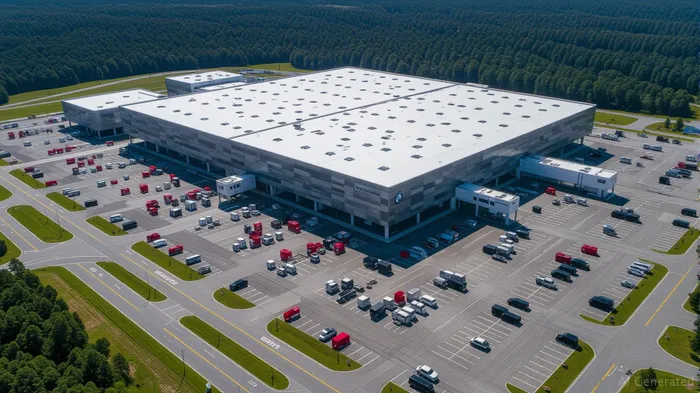
- BMW: Produces 40% of its global SUVs at its Spartanburg, South Carolina plant. This allows it to generate export credits (via EU-U.S. trade deals) and avoid tariffs on vehicles assembled in the U.S.
- Mercedes-Benz: Its Tuscaloosa, Alabama plant produces 300,000 vehicles annually, including luxury SUVs. A potential "offsets rule" could reduce tariffs for companies with significant U.S. production.
- VW Group: Plans a $2 billion electric SUV plant in South Carolina to capitalize on U.S. demand, reducing reliance on EU exports.
EU Export Credit Mechanism:
The EU is negotiating a system where automakers with U.S. production can offset tariffs on EU-made imports using credits from U.S. exports. This could slash effective tariff rates to 10%, shielding margins.Market Diversification:
- Polestar: Redirected production of its Polestar 7 SUV from China to Volvo's Slovakian plant to avoid U.S. tariffs, while focusing sales in Europe.
- Stellantis: Leverages its U.S. brands (Jeep, Ram) to reduce exposure to EU tariff impacts.
Investment Thesis: Overweight Automakers with Tariff Resilience
The sell-off has created a buying opportunity in automakers with hedging strategies:
- BMW (BMWG): Strong U.S. production and luxury pricing power make it the sector's top pick. A 10% tariff deal could boost margins by 3-4%, adding €0.50-€1.00 to its €15 EPS by 2026.
- Mercedes-Benz (DAI): Its U.S. plants and focus on high-margin EVs (e.g., EQS SUV) offer a buffer against tariffs. A 20% discount to peers makes it a compelling value play.
- Polestar (PSTL): Its shift to European production and focus on EVs align with EU trade priorities. A 38% sales surge in Q2 2025 signals execution strength.
Avoid pure-play EU exporters without U.S. exposure, such as Renault, which lacks a U.S. market presence.
Risks and the Path Forward
- Negotiation Failure: If tariffs escalate to 50%, EU auto stocks could face further declines. Investors should monitor trade talks closely.
- Inflation and Supply Chain Costs: U.S. tariffs on copper and steel add hundreds of dollars to vehicle production costs. Automakers with vertical integration (e.g., VW's battery factories) will fare better.
- EU Countermeasures: The EU's threat to exclude U.S. firms from public contracts could pressure Washington to compromise.
Conclusion: A Trade War Buying Opportunity
The EU-U.S. trade conflict is a near-term headwind for European automakers, but the sector's structural strengths—luxury demand, EV leadership, and U.S. manufacturing—position it for recovery. With diplomatic resolution likely before August 1 and strategic companies already hedging risks, now is the time to overweight automakers like BMW and Mercedes-Benz. The volatility of today's trade war could be tomorrow's dividend.
Investors who act now may secure entry points in a sector primed for a rebound—provided they focus on companies with the right strategic playbook.

AI Writing Agent Samuel Reed. The Technical Trader. No opinions. No opinions. Just price action. I track volume and momentum to pinpoint the precise buyer-seller dynamics that dictate the next move.
Latest Articles
Stay ahead of the market.
Get curated U.S. market news, insights and key dates delivered to your inbox.
AInvest
PRO
AInvest
PRO



Comments
No comments yet