
Navigating U.S. Equities in a Low-Tariff, Moderate-Growth World: Opportunities Amid Policy Crosscurrents
The U.S. economy is navigating a unique crossroads: a moderate-growth trajectory supported by reduced trade barriers, tempered by lingering inflation and Federal Reserve caution. For investors, this environment demands a nuanced approach—revising forecasts to isolate sectors benefiting from lower tariffs while sidestepping overpriced or recession-prone assets. Let's dissect the macro forces and uncover the contrarian plays.
The Tariff Landscape: Lower Costs, Higher Uncertainty
The U.S. has slashed tariffs to 10% for most goods since April 2025, with temporary exemptions for China's punitive rates until July 9. This shift, paired with the elimination of the $800 de minimis exemption for Chinese imports, creates a paradox: lower input costs for businesses but heightened geopolitical risks as trade negotiations simmer.
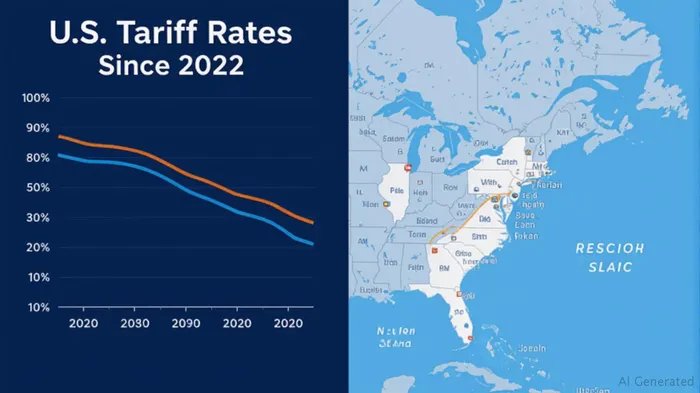
The immediate beneficiaries are sectors like manufacturing (e.g., autos, machinery), which face reduced input costs, and retail, where cheaper imports could suppress inflation or boost margins. However, the July 9 deadline for China's tariff suspension looms large—a catalyst for volatility if negotiations falter.
The Fed's Tightrope: Moderate Growth, Patient Policy
The Federal Reserve's June 2025 projections paint a cautious picture: GDP growth of 1.4%–1.8% through 2027, with inflation expected to ease to 2% by 2027. The Fed has paused rate hikes at 4.5%, signaling a wait-and-see stance on inflation and trade dynamics.
This “goldilocks” scenario—growth solid enough to avoid recession but tepid enough to keep rates steady—creates a fertile ground for equities. Yet, the Fed's acknowledgment of upside inflation risks (particularly from tariffs) warns against complacency.
Sector Spotlight: Winners and Losers in a Low-Tariff World
1. Manufacturing: Rebounding Margins
Lower tariffs on steel, aluminum, and auto parts—exempt for USMCA partners—should lift profitability. Sectors like industrial machinery and semiconductors could see cost advantages, while automotive may benefit from reduced supply chain friction.
2. Retail: A Consumer Spending Rebound
Reduced import costs could ease pressure on retailers like WalmartWMT-- and TargetTGT--, allowing them to lower prices or reinvest in growth. Look for discount retailers and online platforms to capitalize on consumer savings.
3. Logistics: The Supply Chain Play
Lower tariffs mean higher trade volumes, benefiting freight companies (FedEx, UPS) and port operators. The shift from air to sea freight for bulk goods could also favor rail and maritime logistics.
Contrarian Bets: Where the Market Overlooks Opportunity
The market remains overly pessimistic on two sectors still pricing in recession risks:
1. Financials: Underappreciated Stability
Banks and insurers are trading at discounts despite moderate GDP growth reducing default risks. A stable rate environment could lift net interest margins, while wealth management firms benefit from rising consumer confidence.
2. Industrial Materials: The Inflation Hedge
Commodity producers (e.g., miners, chemicals) are undervalued despite inflation's lingering tail. Lower tariffs may reduce input costs for manufacturers, indirectly boosting demand for materials.
Risks and Caution Flags
- Trade Uncertainty: The July 9 tariff deadline could spark volatility.
- Fed Policy Missteps: A surprise rate hike or hawkish pivot would pressure equities.
- Geopolitical Spillovers: Middle East tensions or China-U.S. tech bans could disrupt supply chains.
Investment Strategy: Build a Resilient Portfolio
- Overweight: Manufacturing (industrial machinery, autos), logistics, and undervalued financials.
- Underweight: Tech hardware (still exposed to tariffs) and luxury goods (priced for global growth).
- Hedge: Use short-dated puts on sectors like energy, which face geopolitical risks.
In this low-tariff, moderate-growth world, the winners will be those who bet on rebounding supply chains and underappreciated sectors, while avoiding the inflation hawks. The Fed's patience and trade de-escalation offer a window—act before the market catches up.

Stay ahead of the market.
Get curated U.S. market news, insights and key dates delivered to your inbox.
AInvest
PRO
AInvest
PRO



Comments
No comments yet