
Navigating Energy Volatility: Sector Rotation Strategies in Transportation Infrastructure and Chemical Products
 Aime Summary
The U.S. 's (EIA) October 2025 report has sent ripples through energy markets, . This unexpected tightening of the supply-demand balance has reignited upward pressure on oil prices, creating a volatile environment for investors. While energy price swings often disrupt traditional sectors, they also open doors for strategic sector rotation. Here's how to position your portfolio for the shifting tides of energy markets.
The Case for Transportation Infrastructure
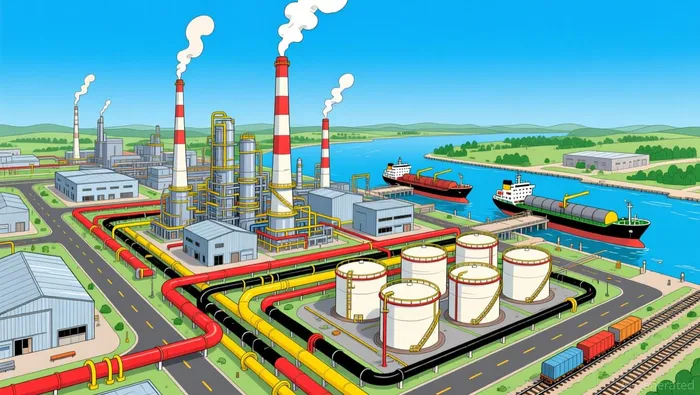
As crude prices climb, the sector emerges as a compelling beneficiary. Refiners and logistics operators are uniquely positioned to capitalize on higher oil prices and robust export infrastructure. Gulf Coast refiners (PADD 3), for instance, leverage low-cost shale oil and advanced export capabilities to maximize margins. Companies like Enterprise Products Partners (EPD) and Caterpillar (CAT) are seeing surging demand for pipeline services and heavy machinery, driven by the need to expand and maintain energy infrastructure.
Historical data from 2015 to 2025 underscores this resilience: the Transportation Infrastructure sector has a Sharpe ratio of , . This outperformance stems from inelastic demand for infrastructure—pipelines, rail networks, and refining capacity—regardless of economic cycles. Investors should overweight transportation infrastructure ETFs (e.g., IYR) and regional refiners with access to low-cost crude.
The Risks in Chemical Products
Conversely, the Chemical Products sector faces headwinds as energy prices rise. Higher fuel costs erode consumer purchasing power, directly impacting demand for both (ICE) and electric vehicles (EVs). Automakers like Tesla (TSLA), Ford (F), and General Motors (GM) are particularly vulnerable, as their profitability hinges on stable energy prices. The EIA's (STEO) projects continued growth in global oil inventories through 2026, which may stabilize prices but not eliminate volatility.
Tesla's stock price, for example, has historically shown a during periods of sustained volatility. This sensitivity is amplified by the company's reliance on consumer demand for EVs, which wanes when gas prices spike. Similarly, chemical producers dependent on energy-intensive processes face margin compression as input costs rise.
Regional Disparities and Strategic Nuances
The investment landscape is further complicated by regional asymmetries. benefit from competitive advantages such as low-cost refining capabilities and robust export infrastructure. In contrast, grapple with aging infrastructure and regulatory constraints, limiting their ability to capitalize on higher crude prices.
Investors should prioritize companies with strong operational advantages—such as Marathon Petroleum (MPC) or Phillips 66 (PSX)—while avoiding those with high exposure to fuel-sensitive demand. For Chemical Products, reducing exposure to automakers and fuel-dependent chemicals until volatility subsides is prudent.
Actionable Investment Advice
- Overweight Transportation Infrastructure: Allocate to ETFs like IYR and regional refiners with low-cost crude access.
- Underweight Chemical Products: Reduce exposure to automakers (e.g., TSLA, F) and fuel-sensitive chemicals.
- Monitor EIA Forecasts: Track inventory draws and OPEC+ production decisions to time sector rotations.
- Leverage LNG Growth: Invest in companies like Plaquemines LNG as U.S. exports surge.

Conclusion
The EIA's October 2025 inventory draw and projected tightening market present a tactical opportunity to rotate into Transportation Infrastructure while hedging against Chemical Products. By aligning portfolios with sectors that thrive in energy price resilience—such as infrastructure and logistics—investors can navigate volatility and position for long-term gains. As the energy landscape evolves, staying attuned to EIA forecasts and regional operational realities will remain critical.

Stay ahead of the market.
Get curated U.S. market news, insights and key dates delivered to your inbox.
AInvest
PRO
AInvest
PRO



Comments
No comments yet