
Navigating Energy Markets: Distinguishing Fear from Scarcity
 Aime Summary
Introduction
In the world of energy investing, headlines often scream crisis. When geopolitical tensions flare or supply chains are disrupted, stock prices can swing violently. For many investors, this creates a sense of urgency and confusion. Are prices rising because there is literally not enough oil or gas to go around (a physical shortage), or are they rising because investors are scared of what might happen next (geopolitical fear)? Understanding the difference between these two drivers is crucial for making rational investment decisions rather than emotional ones. This article explores how to separate the signal of actual scarcity from the noise of market fear.
Core Concept Explanation
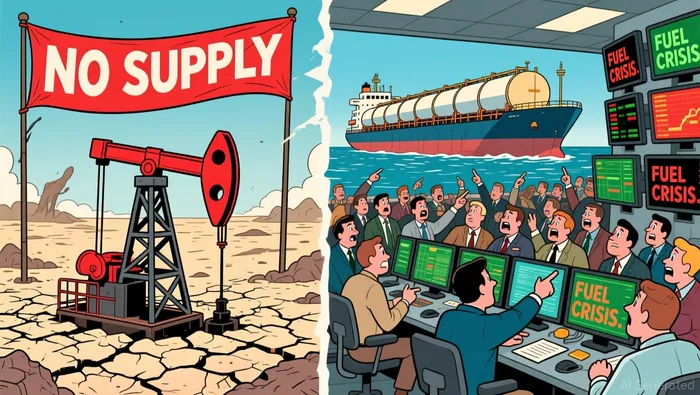
To understand this dynamic, we must define two key concepts. A "physical shortage" occurs when the supply of an energy commodity is actually less than the demand. Think of it like a drought in a region that relies on rain for water; the resource simply isn't there. In contrast, "geopolitical fear" is a psychological reaction. It is the market’s anticipation of future disruptions. Even if barrels of oil are currently sitting in tanks, prices may spike because investors worry that a conflict in a key producing region will cut off future supply. The core challenge for investors is that both scenarios cause prices to rise, but they require different responses.
Application and Strategies
How you invest depends entirely on which driver is dominant. If you believe a physical shortage is occurring, you might look for companies with immediate access to resources or those benefiting from higher spot prices, such as integrated oil majors or independent producers with low extraction costs. However, if the price spike is driven by fear, the rise may be temporary. In this case, a strategy of "buying the dip" after the panic subsides might be more profitable. A practical strategy is to analyze inventory levels. If prices are high but storage tanks are full, it suggests fear is the primary driver, not scarcity. Conversely, if tanks are emptying while prices rise, a physical shortage is likely at play.
Case Study Analysis
Consider the market reaction following the 2022 invasion of Ukraine. Initially, crude oil and natural gas prices surged dramatically. Many investors panicked, believing a global energy crisis was imminent. However, data revealed that while European demand dropped sharply due to sanctions and alternative sourcing, global supply remained relatively stable. The initial price spike was largely driven by geopolitical fear. As winter approached, it became clear that physical shortages were manageable through diplomacy and efficiency. Investors who recognized the initial surge as fear-driven, rather than a permanent structural shortage, were better positioned to hold their positions or enter at lower levels once the panic faded, avoiding the trap of buying at the peak of anxiety.
Risks and Considerations
While separating fear from scarcity is valuable, it is not without risks. Geopolitical situations can escalate unexpectedly, turning a "fear-driven" spike into a real supply shock. Therefore, thorough research is essential. Investors should monitor multiple data points, including inventory reports, production rates, and geopolitical news, rather than relying on price movements alone. Additionally, diversification remains key. No matter how skilled you are at interpreting market sentiment, black swan events can occur. Maintaining a balanced portfolio across different energy sectors and geographies helps mitigate the risk of being wrong about the nature of a price spike.
Conclusion
In summary, successful energy investing requires distinguishing between the reality of physical scarcity and the psychology of geopolitical fear. By analyzing inventory levels, production data, and market sentiment, investors can avoid emotional pitfalls. Remember, fear often creates buying opportunities, while true scarcity demands strategic allocation. Always conduct thorough research and maintain a disciplined risk management strategy to navigate the volatile energy landscape effectively.

Stay ahead of the market.
Get curated U.S. market news, insights and key dates delivered to your inbox.


AInvest
PRO
AInvest
PRO




Comments
No comments yet