
Navigating the Energy Crossroads: How Geopolitics and Seasons Are Fueling Oil Opportunities
The Middle East remains the world's energy epicenter, where geopolitical tensions and seasonal demand cycles collide to create volatility—and opportunity. With crude prices hovering near $80 per barrel as of July 2025, investors are poised to capitalize on strategic allocations to energy commodities and equities. This analysis explores how historical geopolitical premiums and seasonal demand patterns shape today's energy markets, while offering actionable insights for portfolios.
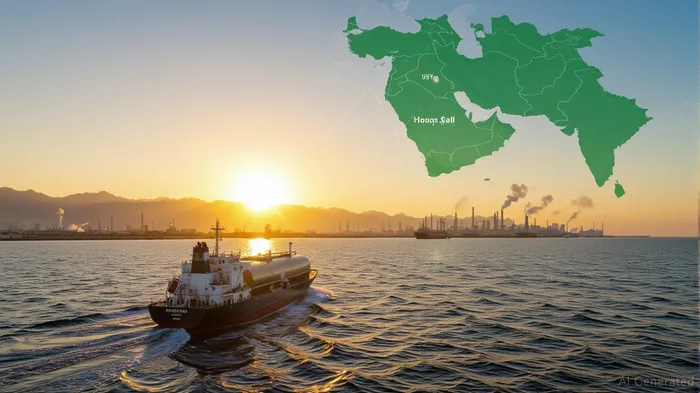
Geopolitical Tensions: A Catalyst for Oil Price Premiums
History shows that Middle East conflicts consistently inflate oil prices through supply fears, even without direct production cuts. The 1973 Arab Oil Embargo caused prices to quadruple within months, while the 2003 Iraq War saw crude surge 40% ahead of invasion fears. Even in 2023, the Israel-Gaza conflict triggered a 5–10% spike in oil futures within hours of drone attacks near Hormuz—a chokepoint for 20% of global oil trade.
The quantifiable premium persists today. Recent analysis of the hypothetical 12-day Israel-Iran conflict in 2025 revealed that prices briefly jumped to $77 per barrel before retreating. While oversupply from Russia and U.S. shale tempered the impact, the geopolitical "risk premium" remains embedded in prices, especially during heightened tensions.
Seasonal Demand: The Engine of Volatility
Oil's price swings are heavily influenced by seasonal patterns, amplified by emerging markets' growing influence:
- Winter Heating Surge (Nov–Feb):
- Northern Hemisphere demand for heating oil and natural gas peaks during cold months, driving prices upward. The EIA notes that extreme winters (e.g., 2020–2021) saw prices surge 20% due to low reserves.
Current opportunity: With winter 2025–2026 approaching, long positions in crude futures (e.g., CL futures) or winter-themed ETFs like UGAZ (2x leveraged oil ETF) could capitalize on this seasonal trend.
Summer Driving Season (April–Sept):
- U.S. gasoline demand typically peaks in August, pushing prices higher. However, refinery maintenance in July often limits gains. Historical data shows crude prices rise an average of 10% from March to July.
- Current opportunity: Exposure to refined product ETFs like UGI (gasoline ETF) or USO (oil ETF) could outperform during this window.
Immediate Investment Strategies
- Crude Futures:
Long positions in crude futures (e.g., NYMEX CL) are ideal for investors betting on geopolitical flare-ups or seasonal demand spikes. Use stop-loss orders to mitigate risks from sudden geopolitical de-escalation or oversupply.
Refined Product ETFs:
UGAZ (2x leveraged oil ETF) or UGI (gasoline ETF) offer amplified exposure to seasonal trends. Pair these with inverse ETFs (e.g., DGAZ) as hedges against sudden price drops.
Middle East-Exposed Energy Firms:
- Saudi Aramco (2222.SR) and ADNOC (ADNOC.AB) benefit from rising crude prices and geopolitical risk premiums. These firms also offer dividends, providing income stability amid volatility.
Risk Management & Diversification
- Hedging with Options: Use out-of-the-money call options to protect against sudden geopolitical-driven surges. For example, buying a $90 call on crude futures could lock in gains if tensions escalate.
- Portfolio Diversification: Allocate 5–10% of capital to energy commodities to hedge against inflation and geopolitical uncertainty. Pair with low-risk bonds (e.g., TLT) to balance volatility.
Conclusion
The interplay of Middle East tensions and seasonal demand creates a recurring cycle of oil price opportunities. Historical data underscores that geopolitical risks add a persistent premium, while seasonal cycles amplify volatility predictably. Investors who strategically allocate to crude futures, refined product ETFs, and regionally exposed firms can capture these swings—provided they layer in hedging and diversification. As the adage goes, “In energy markets, timing is everything—but so is preparing for the unexpected.”
Final note: Monitor geopolitical headlines and EIA inventory reports closely. A mild winter or OPEC+ oversupply could disrupt this strategy—stay agile.

Stay ahead of the market.
Get curated U.S. market news, insights and key dates delivered to your inbox.
AInvest
PRO
AInvest
PRO



Comments
No comments yet