
Navigating Emerging Market Scams in the Crypto Space: A Cautionary Tale from the COAI Token Fiasco


 Aime Summary
Investor Risk Management: Lessons from the COAI Fiasco
The COAI token's collapse was precipitated by a highly centralized distribution model, with 87.9% of tokens concentrated in just ten wallets. This centralization enabled coordinated manipulation, liquidity crises, and a rapid erosion of trust. For investors, this highlights the necessity of scrutinizing tokenomics and distribution models before committing capital.
- Smart Contract Audits and Transparency: The COAI incident revealed how opaque governance structures can mask systemic risks. Investors must prioritize projects that undergo rigorous smart contract audits by reputable firms. According to a report by RWATimes, projects with publicly verifiable code and transparent governance mechanisms are significantly less prone to manipulation.
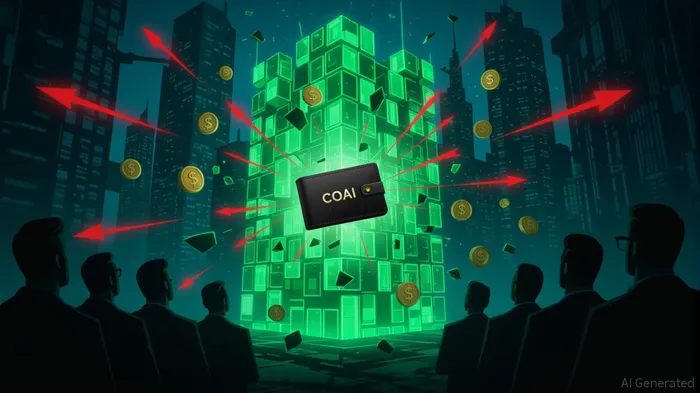 2. AI-Driven Monitoring: The speed and scale of the COAI collapse underscore the need for real-time monitoring tools. AI-powered analytics can detect abnormal wallet activity, liquidity imbalances, and governance anomalies, enabling investors to exit positions before systemic failures occur.
- Diversification and Due Diligence: The COAI fiasco serves as a cautionary tale against overexposure to unvetted projects. Diversifying across vetted DeFi platforms and traditional assets can mitigate the impact of sudden collapses. As emphasized by industry experts, investors should treat crypto assets as high-risk instruments and allocate capital accordingly.
Regulatory Preparedness: Bridging Jurisdictional Gaps
The COAI token scam also exposed glaring regulatory ambiguities. The U.S. CLARITY Act, for instance, remains inconsistently interpreted by the SEC and CFTC, creating confusion over the classification of tokens and the applicability of securities laws. Meanwhile, Southeast Asia-home to operations like the Prince scam network and She Zhijiang's alleged $10 billion annual fraud-continues to exploit jurisdictional gaps.
- Harmonizing Global Standards: The U.S. and U.K. have taken steps to sanction COAI-linked entities, while Singapore's law enforcement froze S$150 million in assets. However, these efforts remain fragmented. A unified regulatory framework, akin to the EU's MiCA (Markets in Crypto-Assets) regulation, is essential to close loopholes and establish clear compliance requirements.
2. Cross-Border Collaboration: Myanmar's crackdown on scam centers near the Thai border-detaining 1,600 foreign nationals and seizing thousands of devices-demonstrates the need for international cooperation. Regulatory bodies must share intelligence and coordinate enforcement actions to dismantle transnational fraud networks.
- Enforcing Accountability: The COAI case highlights the importance of holding project creators and exchanges accountable for fraudulent practices. Regulators should mandate KYC checks for token sales and impose penalties for non-compliance, ensuring that platforms like BitGet adhere to transparency standards.
Conclusion: A Call for Vigilance and Reform
The COAI token fiasco is not an isolated incident but a symptom of broader systemic risks in the crypto space. For investors, the takeaway is clear: rigorous due diligence, technological safeguards, and strategic diversification are non-negotiable. For regulators, the challenge lies in harmonizing global standards, closing jurisdictional gaps, and enforcing accountability. As the crypto market evolves, the balance between innovation and oversight will determine whether emerging markets become engines of growth or breeding grounds for fraud.

Mezclando la sabiduría tradicional en el comercio con las perspectivas más avanzadas sobre criptomonedas.
Latest Articles
Stay ahead of the market.
Get curated U.S. market news, insights and key dates delivered to your inbox.


AInvest
PRO
AInvest
PRO



Comments
No comments yet