
Navigating the Delays: How USCIS Processing Times and Policy Shifts Impact Investment in Immigration-Dependent Sectors
The U.S. immigration system, a cornerstone of the nation's labor market and cultural fabric, is grappling with unprecedented bottlenecks. USCIS processing times for marriage-based green cards now exceed 9–14 months for applicants inside the U.S. and up to 35 months for spouses of permanent residents—a stark contrast to pre-pandemic averages. Concurrently, legislative debates over visaV-- integrity, border security funding, and pathways to residency are reshaping the landscape for industries reliant on immigrant labor. Investors must navigate these shifts to identify risks and opportunities in sectors from tech to healthcare.
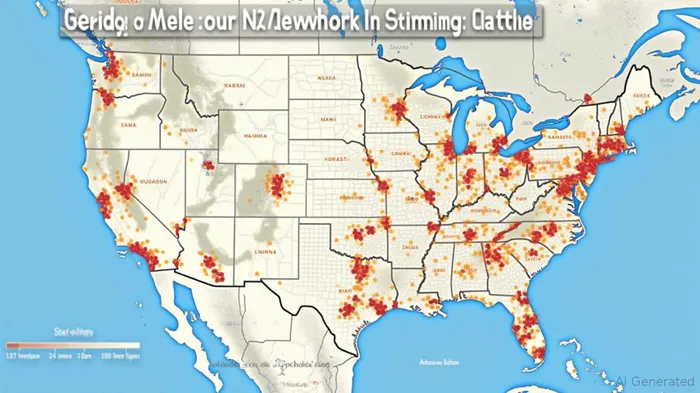
The Processing Delays: A Sector-Specific Wake-Up Call
USCIS's backlog isn't just bureaucratic inertia—it's a systemic issue with real economic consequences. Take the tech sector: companies like Microsoft (MSFT) and Intel (INTC) rely heavily on H-1B visas to fill specialized roles. While the June 2025 Visa Bulletin shows EB-2/EB-3 categories remain “current” for most countries, exceptions like India and China face delays stretching back to 2013. This creates a talent gap, potentially slowing innovation and profitability.
Meanwhile, healthcare faces a critical shortage of nurses and caregivers. Over 40% of registered nurses in rural areas are foreign-born, yet the F2A category's 35-month processing timeline for spouses of green card holders threatens to exacerbate labor shortages. This could pressure companies like Tenet Healthcare (THC) or Universal Health Services (UHS) to raise wages or automate roles—a double-edged sword for margins.
Legislative Crossroads: Policy as a Catalyst
The House Committee's June 24 hearings on visa integrity and the SECURE Act (S.2106) highlight two divergent paths. Stricter visa screening, as proposed in the “Restoring Integrity” hearing, could deter international students and tech talent—hurting firms like Zoom (ZM) or Shopify (SHOP) that depend on global workforces. Conversely, the SECURE Act's pathway for TPS holders could stabilize labor pools for industries like agriculture or construction, benefiting firms such as Purdue Pharma (through its parent company, Purdue) or Bechtel Group.
The Arbitrage Opportunity: Betting on the Bureaucracy
Investors can capitalize on these dynamics by targeting companies addressing the system's flaws:
1. Legal and Compliance Services: Firms like Greenberg Traurig or Wilson Sonsini Goodrich & Rosati, which specialize in immigration law, may see demand surge as businesses navigate stricter regulations.
2. Digital Document Platforms: Startups offering USCIS-compliant e-filing tools (e.g., Boundless Immigration) could grow as applicants seek efficiency amid delays.
3. Healthcare Workforce Solutions: Companies like AMN Healthcare (AHS), which recruit and manage healthcare workers, may benefit from policy-driven labor shortages.
Risks: The Flip Side of Policy Uncertainty
The reconciliation process's focus on border infrastructure could boost firms like CyrusOne (CONN) or Brookfield Infrastructure (BIP), but only if spending passes the parliamentary “score” test. Meanwhile, judicial pushback (as seen in the Mahmoud Khalil case) could limit enforcement overreach, favoring industries reliant on immigrant labor.
Bottom Line: Prioritize Resilience Over Speculation
Investors should favor companies with diversified labor sources and exposure to policy tailwinds. Avoid sectors overly dependent on H-1B or EB visa categories until processing times stabilize. For now, the best plays are in sectors that solve the system's pain points—not those betting on its current state.
Stay tuned as the June 24 hearings unfold—they could redefine the rules of the game.


Stay ahead of the market.
Get curated U.S. market news, insights and key dates delivered to your inbox.
AInvest
PRO
AInvest
PRO



Comments
No comments yet