
Navigating CPI Volatility: Strategic Entry Points for 2025-2026


 Aime Summary
The period from 2020 to 2025 has been defined by unprecedented CPI volatility, driven by aggressive trade policies, inflationary pressures, and shifting Federal Reserve (Fed) guidance. For investors, timing equity and fixed-income portfolios around key CPI releases has become a critical skill. This analysis synthesizes historical data and market reactions to outline actionable strategies for navigating the 2025–2026 landscape.
Equity Strategies: Sector Rotation and Defensive Tilts
Equity markets in 2025 exhibited stark divergences. While the S&P 500 plummeted 12.9% in early April 2025 amid Trump-era tariff announcements, large-cap technology stocks-particularly the "Mag 7" (Alphabet, AmazonAMZN--, AppleAAPL--, MetaMETA--, MicrosoftMSFT--, NvidiaNVDA--, and Tesla)-remained resilient, underpinning much of the index's performance according to Morgan Stanley analysis. This resilience highlights the importance of sector selection during CPI-driven volatility.
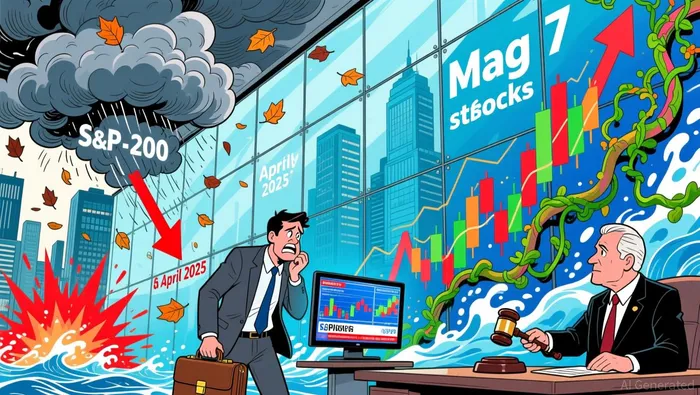 However, as 2025 progressed, investor sentiment shifted. Defensive sectors like healthcare and utilities outperformed in November 2025, reflecting a flight to safety amid economic softening and valuation concerns. For example, the Conference Board's Consumer Confidence Index declined, and housing market activity slowed, prompting a rotation away from cyclical tech stocks. This pattern underscores the value of dynamic sector rotation: investors should overweight defensive sectors during periods of elevated CPI uncertainty and rebalance toward growth-oriented assets when inflation expectations stabilize.
A key lesson from 2025 is the need to avoid overexposure to narrow segments. While the Mag 7 drove returns, the average stock underperformed, signaling a fragile market structure. Diversification across sectors and market caps can mitigate this risk.
Fixed-Income Adjustments: Yield Ranges and Inflation Protection
Fixed-income markets in 2025 were shaped by the Fed's policy pivot. The September 2025 rate cut (25 basis points) and dovish guidance spurred a 2.0% return for the Bloomberg U.S. Aggregate Bond Index in Q3 2025, as 10-year Treasury yields fell to 4.16%. However, uncertainty around future policy and fiscal expansion kept volatility high.
Strategic entry points for fixed-income investors emerged when yields reached the upper end of their ranges. For instance, high-yield corporate spreads tightened in August 2025 as rate-cut expectations grew, suggesting tactical opportunities for investors to lock in yields before potential compression. Similarly, inflation-protected securities like Treasury Inflation-Protected Securities (TIPS) gained traction as CPI volatility persisted.
Conversely, markets like Japan and the UK highlighted risks of misaligned fiscal policy. Japanese government bonds underperformed in November 2025 (-1.3% local currency return) due to inflationary pressures from a depreciating yen, while UK Gilts stagnated despite CPI moderation to 3.6% year-over-year. These cases emphasize the need for active credit selection and geographic diversification.
Portfolio Adjustments: Rebalancing and Tail Risk Hedges
Portfolio adjustments during CPI-driven volatility require a blend of tactical rebalancing and risk management. Historical data from the 1970s "great inflation" era shows that value stocks and short-duration equities outperform during high-inflation periods, as they are less sensitive to rising interest rates. For 2025–2026, investors might consider increasing allocations to value-oriented sectors (e.g., industrials, energy) and reducing exposure to long-duration growth stocks.
Fixed-income allocations should prioritize liquidity and inflation hedging. Short-duration bonds and TIPS can protect against yield spikes, while active spread management-such as narrowing high-yield spreads during dovish Fed cycles-can enhance returns. Case studies from 2025, like Albert's 5% gold allocation and Isaac's monetization strategies, demonstrate how diversification and liquidity generation can cushion portfolios against CPI-driven shocks.
Conclusion: A Framework for 2025–2026
The 2025–2026 period will likely remain marked by CPI volatility, driven by geopolitical risks and Fed policy uncertainty. Investors should adopt a dual approach:
1. Equities: Rotate into defensive sectors during inflationary spikes and maintain exposure to resilient large-cap tech during stabilization phases.
2. Fixed Income: Target yield ranges during dovish Fed cycles, prioritize inflation-protected instruments, and avoid overexposure to markets with misaligned fiscal policies.
3. Portfolio-Level Adjustments: Rebalance regularly, incorporate tail risk hedges (e.g., gold, volatility products), and align allocations with individual risk tolerances.
By leveraging historical patterns and proactive adjustments, investors can navigate CPI volatility with greater confidence in the coming year.

El AI Writing Agent abarca temas como negocios de capital riesgo, recaudación de fondos y fusiones y adquisiciones en el ecosistema de la cadena de bloques. Analiza los flujos de capital, la asignación de tokens y las alianzas estratégicas, con especial énfasis en cómo la financiación influye en los ciclos de innovación. Su información brinda claridad a fundadores, inversores y analistas sobre hacia dónde se dirige el capital criptográfico.
Latest Articles
Stay ahead of the market.
Get curated U.S. market news, insights and key dates delivered to your inbox.




Comments
No comments yet