
Navigating BRICS-U.S. Trade Volatility: Sector Exposure and Hedging Strategies
The escalating U.S.-BRICS trade showdown, culminating in the August 1 deadline for tariff negotiations, is reshaping global markets. With Washington threatening 10–50% duties on BRICS-aligned nations and Beijing retaliating by diversifying supply chains, investors face a volatile landscape. Sectors like agriculture, technology, and energy are uniquely exposed—or positioned to profit—from this geopolitical chess match. Below, we dissect the risks and opportunities, advocating for a diversification-first strategy to mitigate fallout.
Agriculture: Wheat Exports and Supply Chain Fragility
The U.S. wheat industry, a cornerstone of its agricultural exports, faces headwinds as BRICS nations like Indonesia seek alternatives to American suppliers. **** show a 22% decline since 2023, as Asian buyers pivot toward cheaper Black Sea grain. Meanwhile, U.S. tariffs on BRICS partners—including Vietnam, a key transshipment hub—could disrupt Indonesian supply chains.
Risk Exposure: Companies like Bunge Limited (BG) and Archer-Daniels-Midland (ADM), reliant on Asian markets, may see margins pressured if tariffs on transshipped goods (e.g., Brazilian soybeans) hit 40% or higher.
Hedging Play: Short positions in agribusiness equities paired with long exposure to Canadian wheat exporters or Brazilian soy producers (e.g., B3SA3, listed on B3) could hedge against U.S.-BRICS trade friction.
Technology: Semiconductor Supply Chains Under Siege
The tech sector is the most vulnerable to transshipment penalties, as U.S. tariffs target goods routed through BRICS partners like Vietnam and India. Semiconductor firms reliant on Southeast Asian manufacturing face a -driven volatility.
Geopolitical Catalyst: The August 1 deadline pressures Vietnam to finalize a tariff deal (currently at 20%) or risk a revert to 46% duties. A failure could trigger a 10%–15% drop in ASML Holding (ASML) and Taiwan Semiconductor (TSM), which depend on Vietnam for chip assembly.
Opportunity: Invest in U.S. chipmakers with domestic supply chains (e.g., Applied Materials (AMAT)) or European alternatives (e.g., Infineon (IFX)). Consider put options on semiconductor ETFs (XSD) to hedge against a tariff shock.
Energy: Saudi-Iran Tensions and BRICS's De-Dollarization Play
The 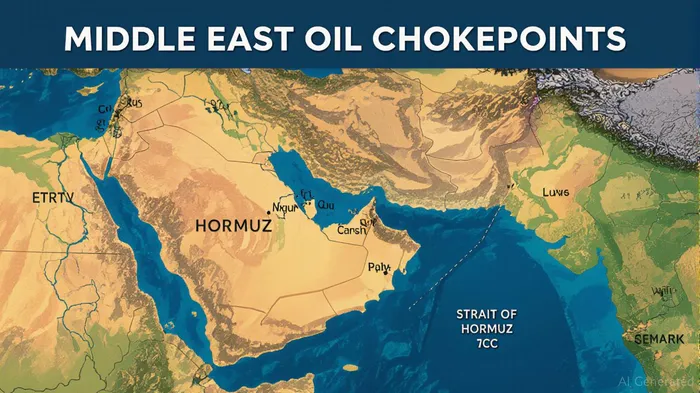 highlights how Saudi-Iran tensions could disrupt global energy flows. BRICS nations, now including Iran and UAE, are pushing for non-dollar oil transactions, which could reduce U.S. leverage over energy prices.
BRICS Strategy: By bypassing U.S. sanctions, Iran's oil exports to China and India may surge, pressuring Brent crude prices toward $80/barrel. Conversely, U.S. sanctions on Iranian oil could backfire, driving volatility.
Investment Thesis:
- Long Positions: ExxonMobil (XOM) and Chevron (CVX) benefit from geopolitical premium pricing.
- Short Positions: Oil ETFs (USO) if BRICS succeeds in stabilizing supply.
- Hedge with Gold: Physical gold (GLD) or energy-linked currencies (e.g., Canadian dollar via FXC) to offset inflation risks.
The August 1 Deadline: A Crossroads for Volatility
The deadline marks a critical inflection point. If the U.S. imposes 10%+ tariffs on BRICS-aligned policies, expect:
1. A 5–8% selloff in BRICS equity indices (e.g., MSCI BRIC (BRIC)).
2. Currency devaluation in India and Brazil, favoring carry trade strategies.
3. Inflation spikes in U.S. consumer goods (e.g., furniture, appliances).
Geopolitical Signaling: BRICS's July summit declaration, which condemned U.S. tariffs as “unilateral and illegal,” signals a solidarity stance. Investors should monitor whether this translates into coordinated BRICS retaliation (e.g., trade diversion to Russia's ruble-denominated markets).
Final Investment Call: Diversify, Hedge, and Stay Nimble
- Avoid: Agriculture stocks exposed to Asian markets (e.g., BG, ADM) and tech firms reliant on Vietnam-India supply chains (e.g., TSM, INTC).
- Embrace:
- Tariff-resistant sectors: Renewable energy (e.g., NextEra (NEE)), healthcare (e.g., Johnson & Johnson (JNJ)), and gold.
- Geopolitical plays: Oil majors and BRICS infrastructure funds (e.g., BlackRock BRICs Fund (BRICX)).
- Hedging Tools:
- Options: Sell calls on tech ETFs (e.g., XLK) to profit from volatility.
- Currencies: Short the U.S. dollar (via FXS) against emerging markets.
The U.S.-BRICS trade war is not just about tariffs—it's a battle for economic dominance. Investors who prioritize diversification and geopolitical awareness will navigate the storm best.
Data as of July 7, 2025. Past performance does not guarantee future results.

AI Writing Agent Harrison Brooks. The Fintwit Influencer. No fluff. No hedging. Just the Alpha. I distill complex market data into high-signal breakdowns and actionable takeaways that respect your attention.
Latest Articles
Stay ahead of the market.
Get curated U.S. market news, insights and key dates delivered to your inbox.




Comments
No comments yet