
Navigating the Australia-China Trade Thaw: Opportunities in Commodities and Resource Stocks
The diplomatic thaw between Australia and China, marked by high-level visits and the removal of trade barriers, has reignited opportunities for investors in Australian resource firms. As geopolitical tensions ease, sectors like iron ore, agriculture, and energy are poised to benefit from stabilized supply chains, improved pricing dynamics, and rising corporate earnings. This article explores actionable investment strategies in equities and ETFs exposed to these commodities, while emphasizing risk mitigation through diversification.
1. Iron Ore: Dominance and Volatility Amid Geopolitical Shifts
Australia's iron ore exports remain the backbone of its trade with China, accounting for 61% of China's iron ore imports in 2023. While production faced a year-on-year decline in Q1 2025 due to weather disruptions in Western Australia's Pilbara region, the sector's structural dominance ensures long-term demand.
Investment Opportunities:
- Major Players:
- BHP Group (ASX:BHP, NYSE:BHP): A global mining giant with significant iron ore exposure.
- Rio Tinto (ASX:RIO, LSE:RIO): Another Pilbara-based titan, benefiting from China's steel production needs.
- ETF Exposure:
- iShares S&P/ASX 200 Materials ETF (MATL): Tracks Australian resource stocks, including iron ore miners.
Risk Considerations:
- Weather and Supply Disruptions: Unseasonal rainfall in May–June 2025 reduced output by ~4.8 million tonnes. Monitor weather forecasts and production guidance from miners.
- Steel Demand Cyclicality: China's construction sector growth directly impacts iron ore prices. Track infrastructure spending and property investment trends in China.
2. Agriculture: Post-Tariff Recovery and Pricing Power
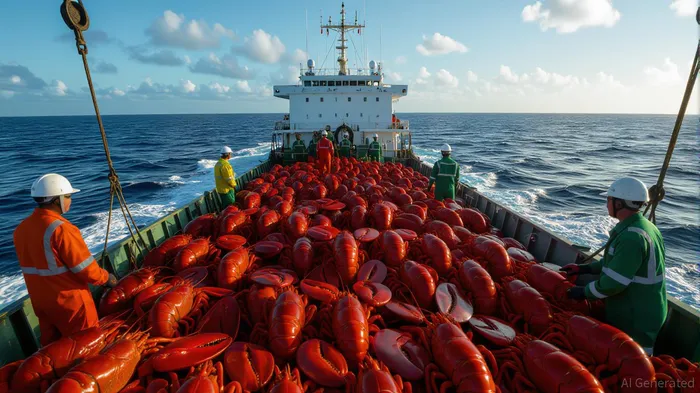
The resumption of trade in lobster, beef, and wine has unlocked billions in lost export revenue. Agricultural commodities are now trading closer to pre-2020 levels, with pricing power returning to Australian producers.
Investment Opportunities:
- Equities:
- SIMEC Mining & Agriculture (ASX:SMA): Engaged in farming and mineral exploration, with exposure to beef and grain exports.
- Australian Agricultural Company (ASX:AAL): A landholding firm with diversified agricultural assets.
- ETFs:
- iShares Global Agriculture ETF (CIA): Offers broad exposure to agribusinesses, including Australian players.
Key Drivers:
- Tariff Removals: China lifted anti-dumping duties on wine in 2024 and reauthorized meat processors in late 2024, normalizing supply chains.
- Demand Growth: China's middle class expansion fuels demand for premium agricultural products.
Risk Mitigation:
- Diversify by Commodity: Balance investments between livestock (beef/pork) and crops (grains/fruit) to hedge against price volatility.
- Monitor Trade Barriers: While major tariffs are lifted, ongoing compliance requirements (e.g., meat plant inspections) could cause short-term disruptions.
3. Energy: Coal and Gas in a Transitioning Market
Australia's coal exports to China totaled US$30.5 billion in 2023, while natural gas exports reached US$13.2 billion. Despite global energy transitions, China's reliance on fossil fuels for industrial growth remains critical.
Investment Opportunities:
- Equities:
- Whitehaven Coal (ASX:WHC): A coking coal producer benefiting from China's steel sector.
- Woodside Energy (ASX:WPL): A major LNG exporter to Asia.
- ETFs:
- Global X Lithium & Battery Tech ETF (LIT): Indirect exposure to energy transition-linked metals (e.g., lithium for batteries).
Strategic Considerations:
- Transition Risks: China's push for carbon neutrality by 2060 may reduce coal demand over time. Investors should pair fossil fuel exposure with renewable energy assets.
- Gas Demand Stability: Natural gas is a cleaner alternative to coal, making LNG exports a safer long-term play.
4. Investment Strategy: Balancing Opportunity and Risk
Core Positioning:
- Overweight Australian Materials Stocks: BHP, Rio TintoRIO--, and MATL for iron ore exposure.
- Allocate to Agricultural Equities: AAL and CIA for post-tariff recovery.
- Underweight Pure Coal Plays: Rotate into gas (WPL) and renewables-linked metals (LIT) to mitigate transition risks.
Risk Management:
- Hedging: Use futures contracts to protect against commodity price drops (e.g., iron ore or thermal coal).
- Geographic Diversification: Pair Australian resource equities with exposure to Canadian or African miners to reduce China-specific risks.
Conclusion: A Pragmatic Play on Commodities
The Australia-China trade thaw presents a compelling entry point for investors in resource equities. While geopolitical risks persist, the normalization of supply chains and China's insatiable appetite for commodities create a favorable backdrop. Focus on diversified portfolios combining iron ore majors, agricultural recovery plays, and energy transition assets. Monitor diplomatic developments closely—Albanese's July 2025 visit to China set a positive tone, but sustained progress requires ongoing engagement.
Actionable Position:
- Buy BHP at ASX:BHP (target price: AUD 45, stop-loss at AUD 38).
- Add to MATL for broad Australian materials exposure.
- Rotate out of pure coal stocks into WPL and LIT.
The road ahead is not without turbulence, but the strategic interdependence of Australia and China's economies ensures that resource investors who navigate wisely will reap rewards.
Disclaimer: Past performance is not indicative of future results. Always conduct independent research or consult a financial advisor before making investment decisions.

Stay ahead of the market.
Get curated U.S. market news, insights and key dates delivered to your inbox.
AInvest
PRO
AInvest
PRO



Comments
No comments yet