
Navigating the 3.0% Core PPI Surge: Sector-Specific Inflation and Strategic Allocation Moves
 Aime Summary
The U.S. Core Producer Price Index (PPI) for December 2025 hit a 3.0% year-over-year increase, surpassing forecasts and signaling a complex inflationary landscape. While this figure might seem modest compared to the 7% peaks of 2022, the sector-specific breakdown reveals a tale of divergent pressures—and opportunities. Investors must now dissect which industries are driving this surge and how to position portfolios to capitalize on the asymmetry.

Energy and Transportation: The Inflationary Engine
The energy sector remains the standout driver of the PPI surge. Gasoline prices alone jumped 11.8% YoY in December, accounting for 60% of the increase in final demand goods. This isn't just a blip—it's a structural shift. Geopolitical tensions, OPEC+ production cuts, and the lingering effects of U.S. infrastructure bottlenecks have created a perfect storm for energy prices.
For investors, this means two things:
1. Energy Producers and Equipment Makers: Firms like Schlumberger (SLB) and HalliburtonHAL-- (HAL) could benefit from higher drilling activity as oil prices stabilize above $85/barrel.
2. Airlines and Logistics: With airline passenger services prices up 4.0% YoY, carriers such as Delta Air LinesDAL-- (DAL) and United AirlinesUAL-- (UAL) are in a unique position to pass on higher fuel costs to consumers.
However, energy volatility is a double-edged sword. A sudden drop in crude prices could erode gains, so hedging strategies or diversified energy portfolios are critical.
Metals & Mining: The Inflation Hedge
The Metals & Mining sector has historically thrived in high-PPI environments. In 2025, copper and aluminum indices hit 949.488 and 691.159, respectively, driven by green energy demand and supply constraints. Gold, now trading near $3,300/ounce, has also surged as a safe-haven asset.
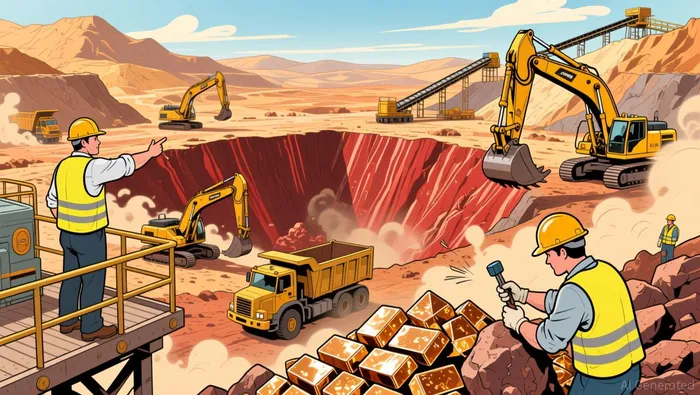
Investors should overweight this sector, particularly in gold miners like Barrick Gold (GOLD) and copper producers such as Freeport-McMoRan (FCX). Royalty companies like Franco-Nevada (FNV) offer a compelling alternative, as they profit from rising commodity prices without the operational risks of mining.
Automobiles: A Sector on Thin Ice
Contrast the energy and metals sectors with the Automobiles industry, which faces margin compression. While export prices for motor vehicle parts surged 17.1% from 2021–2024, import prices lagged, exposing global supply chain imbalances. Automakers like Tesla (TSLA) and Ford (F) are grappling with higher steel and electronic component costs, squeezing profit margins.
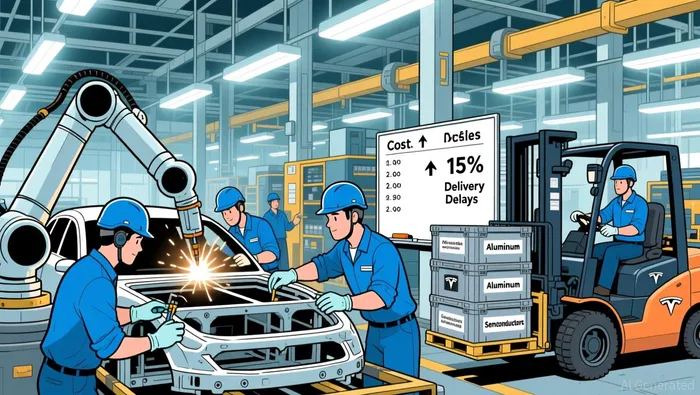
Historical data from 2014 shows that automobile production can plummet during inflationary spikes. With core PPI still above 3%, investors should underweight this sector until demand fundamentals stabilize.
Agriculture and Construction: The Quiet Contenders
Agriculture saw a deflationary trend in November 2025, with food prices flat or declining. While this softens inflationary pressures, it also signals margin risks for agribusinesses. Conversely, construction faces indirect costs from rising energy and metal prices. Processed goods inflation hit 3.8% YoY, threatening margins for contractors unless they can pass costs to clients.
Investors should focus on agri-tech innovators and infrastructure-linked equities with strong balance sheets. Firms like John Deere (DE) and Caterpillar (CAT) could benefit from green infrastructure spending, while regional banks might thrive in a disinflationary environment.
Strategic Allocation: The Roadmap
The key takeaway? Sector rotation is non-negotiable. Overweight Metals & Mining and energy producers, while underweighting Automobiles and vulnerable agribusinesses. For energy, balance exposure between producers and airlines. In construction, favor firms with pricing power.

As the Federal Reserve eyes rate cuts in 2026, investors should remain agile. The 3.0% PPI isn't just a number—it's a signal to reallocate capital toward sectors that thrive in inflation and avoid those that crumble under it.
Final Call to Action:
- Buy: Gold miners, copper producers, and energy equipment firms.
- Sell: Overleveraged automakers and agribusinesses with weak pricing power.
- Watch: Rate-sensitive sectors like regional banks and asset management as 2026 unfolds.
The market isn't a monolith. It's a mosaic of opportunities—and the PPI is your map.

Stay ahead of the market.
Get curated U.S. market news, insights and key dates delivered to your inbox.
AInvest
PRO
AInvest
PRO



Comments
No comments yet