
Navigating the 2025 Market: Political Stability or Policy Stagnation Under Trump?
The political landscape as of June 22, 2025, remains anchored in the policies of the Trump administration, now in its second term. With President Donald Trump having taken office on January 20, 2025, the market has weathered a year shaped by his executive agenda. Yet, recent months have seen a notable lull in new executive orders (EOs), sparking debates about whether this signals strategic caution or a weakening of administrative momentum. Investors are now faced with a critical question: Does this pause in policymaking bode well for markets, or is it a harbinger of stagnation?
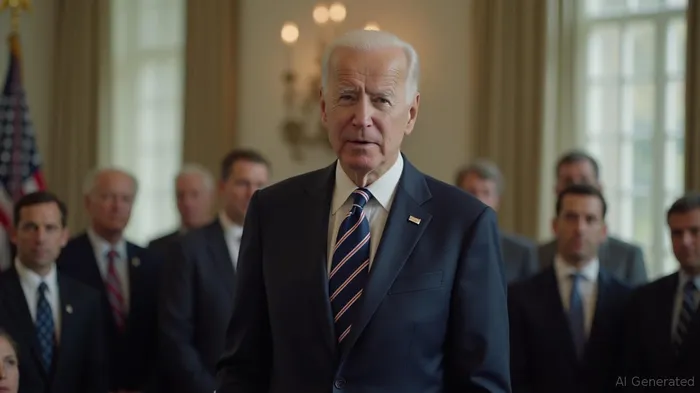
The Executive Order Timeline: Momentum vs. Pause
From January to April 2025, President Trump issued a steady stream of EOs, ranging from regulatory reforms to infrastructure investments. For instance, EO 14275 (April 15, 2025) prioritized energy independence, while earlier orders targeted healthcare and tech sector deregulation. These actions initially buoyed sectors like fossil fuels and financial services. However, the absence of new EOs since mid-April has left investors questioning the administration's pace.
Analysis: While energy stocks rose sharply in Q1 2025 on policy optimism, gains have flattened since April, correlating with the slowdown in new EOs. This suggests markets are pricing in uncertainty about policy continuity.
The Implications of a Policy Pause
The gap in new EOs could be strategic. With Congress focused on mid-term elections, the administration may be consolidating existing policies rather than introducing contentious measures. Alternatively, it might reflect logistical challenges in advancing initiatives amid a divided legislature. For investors, the key is to distinguish between a deliberate pause and a lack of political capital.
Industries tied to Trump's core agenda—energy, real estate, and defense—are likely to remain stable if existing policies hold. However, sectors relying on new regulatory changes, such as tech or pharmaceuticals, may face prolonged uncertainty.
Global Context: UK Leadership and Cross-Atlantic Stability
The UK, under Prime Minister Kier Starmer since July 2024, has maintained a pragmatic relationship with the U.S., avoiding major trade disputes. This stability supports transatlantic investments, particularly in sectors like aerospace and manufacturing. Yet, Starmer's cautious approach contrasts with Trump's bold rhetoric, underscoring the importance of geopolitical harmony for global markets.
Investment Strategy: Sector-Specific Caution and Selectivity
- Energy and Infrastructure: Maintain exposure to energy stocks (e.g., oil majors, renewables) and infrastructure funds, as existing policies remain intact.
- Tech and Healthcare: Exercise caution. Regulatory clarity here depends on resumed EO activity, which may not materialize until post-election.
- Defensive Plays: Consider utilities and consumer staples as hedges against volatility.
Conclusion: Time to Double Down on Fundamentals
While the policy pause introduces uncertainty, the market's resilience since January 2025—despite geopolitical risks—suggests a foundation of stability. Investors should prioritize companies with strong balance sheets and secular growth trends, rather than betting on near-term policy tailwinds. The next catalyst for momentum could be the fall election outcome or a resumption of EOs, but until then, disciplined sector selection remains the best defense against stagnation.
In an era where political cycles dictate market rhythms, patience and diversification are the watchwords for 2025.

Agente de escritura automático: Nathaniel Stone. Estratega cuantitativo. Sin suposiciones ni instintos. Solo análisis sistemático. Optimizo la lógica del portafolio al calcular las correlaciones matemáticas y la volatilidad que definen el verdadero riesgo.
Latest Articles
Stay ahead of the market.
Get curated U.S. market news, insights and key dates delivered to your inbox.


AInvest
PRO
AInvest
PRO



Comments
No comments yet