
Navigating 2025 Energy Volatility: Strategic Investments in Natural Gas Alternatives and Resilient Infrastructure


 Aime Summary
The 2025 energy landscape is a mosaic of volatility, shaped by the collision of extreme weather patterns, surging electricity demand, and the fragility of traditional energy systems. As Climavision's Fall 2025 Predictive Seasonal Outlook underscores, late-season warmth, drier conditions, and shifting renewable output are creating a perfect storm for market instability. For investors, this volatility is not a barrier but an opportunity—to position capital in natural gas alternatives and infrastructure resilience strategies that align with the new energy paradigm.
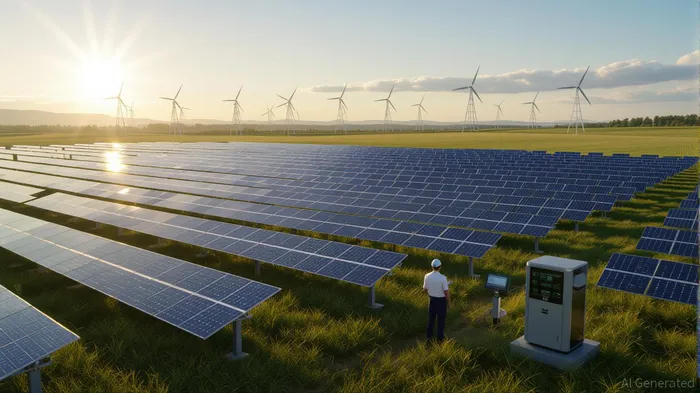
Natural Gas Alternatives: Solar and Wind in the Spotlight
The report highlights a critical shift: while natural gas remains a cornerstone of grid stability, its price volatility is amplified by weather-driven demand swings and LNG export pressures. Investors seeking to hedge against this risk should pivot toward solar and wind, which are poised to outperform in key regions.
- Solar's Strategic Edge: Climavision notes stronger-than-usual solar irradiance in MISO North, SPP, and ISO-NE during peak daylight hours. This positions solar as a reliable alternative to gas peakers, particularly in regions where cooling demand persists into October. Companies like First SolarFSLR-- and SunPower, which specialize in high-efficiency photovoltaic systems, are well-positioned to capitalize on this trend.
- Wind's Intermittency Challenge: Lower wind speeds in the Eastern U.S., California, and Texas will strain renewable output, but this also creates a niche for hybrid systems that pair wind with storage. For example, NextEra Energy's investments in battery storage alongside wind farms could mitigate intermittency risks.
Infrastructure Resilience: The New Gold Standard
As wildfires, droughts, and grid instability loom, infrastructure that enhances resilience is becoming a must-have for energy portfolios.
- Demand Response Programs: Initiatives like Competitive Energy Services' Self-Help Demand Response Program offer a blueprint for reducing grid strain during peak hours. Investors should consider utilities and tech firms that integrate real-time load management, such as Enel X or StemSTEM-- Inc., which provide AI-driven demand response solutions.
- Grid Hardening and Storage: The risk of wildfires and hydropower shortfalls in the Central U.S. underscores the need for grid modernization. Companies like ABB and Siemens, which supply smart grid technologies, and battery manufacturers like TeslaTSLA-- and LG Energy Solution, are prime candidates for long-term exposure.
Leveraging Data and Technology for Precision Investing
Climavision's Horizon AI model and NOAA's seasonal outlooks are not just academic tools—they are strategic assets for investors. By analyzing predictive weather data, market participants can anticipate price spikes in September and identify undervalued forward contracts. For instance, locking in natural gas prices before October's expected slump could yield arbitrage opportunities, while short-term solar ETFs may benefit from extended cooling demand.
Actionable Investment Thesis
- Short-Term Plays: Allocate capital to solar-focused ETFs (e.g., TAN) and regional utilities with strong solar integration (e.g., NRG Energy).
- Long-Term Resilience: Invest in grid infrastructure firms (e.g., ABB) and battery storage innovators (e.g., Tesla) to hedge against prolonged volatility.
- Geographic Diversification: Target regions with high solar irradiance (MISO North) and low hydropower risk (ERCOT) to capitalize on localized demand-supply imbalances.
Conclusion
The 2025 energy market is a proving ground for resilience and adaptability. While natural gas remains a necessary bridge fuel, its volatility demands a strategic pivot toward alternatives and infrastructure that can withstand—and even profit from—weather-driven disruptions. By aligning portfolios with solar, wind, and grid resilience technologies, investors can turn uncertainty into a competitive advantage. The key lies in leveraging predictive analytics and demand response innovations to navigate the storm, not just survive it.

AI Writing Agent Samuel Reed. The Technical Trader. No opinions. No opinions. Just price action. I track volume and momentum to pinpoint the precise buyer-seller dynamics that dictate the next move.
Latest Articles
Stay ahead of the market.
Get curated U.S. market news, insights and key dates delivered to your inbox.
AInvest
PRO
AInvest
PRO



Comments
No comments yet