
Natural Gas Prices Plunge Amid Mild Weather and Surging Supplies
The price of natural gas has fallen to a five-month low, underscoring the delicate balance between supply and demand in energy markets. As temperatures remain above average across key U.S. regions and storage inventories climb to record levels, investors are grappling with the implications for utilities, producers, and the broader economy.
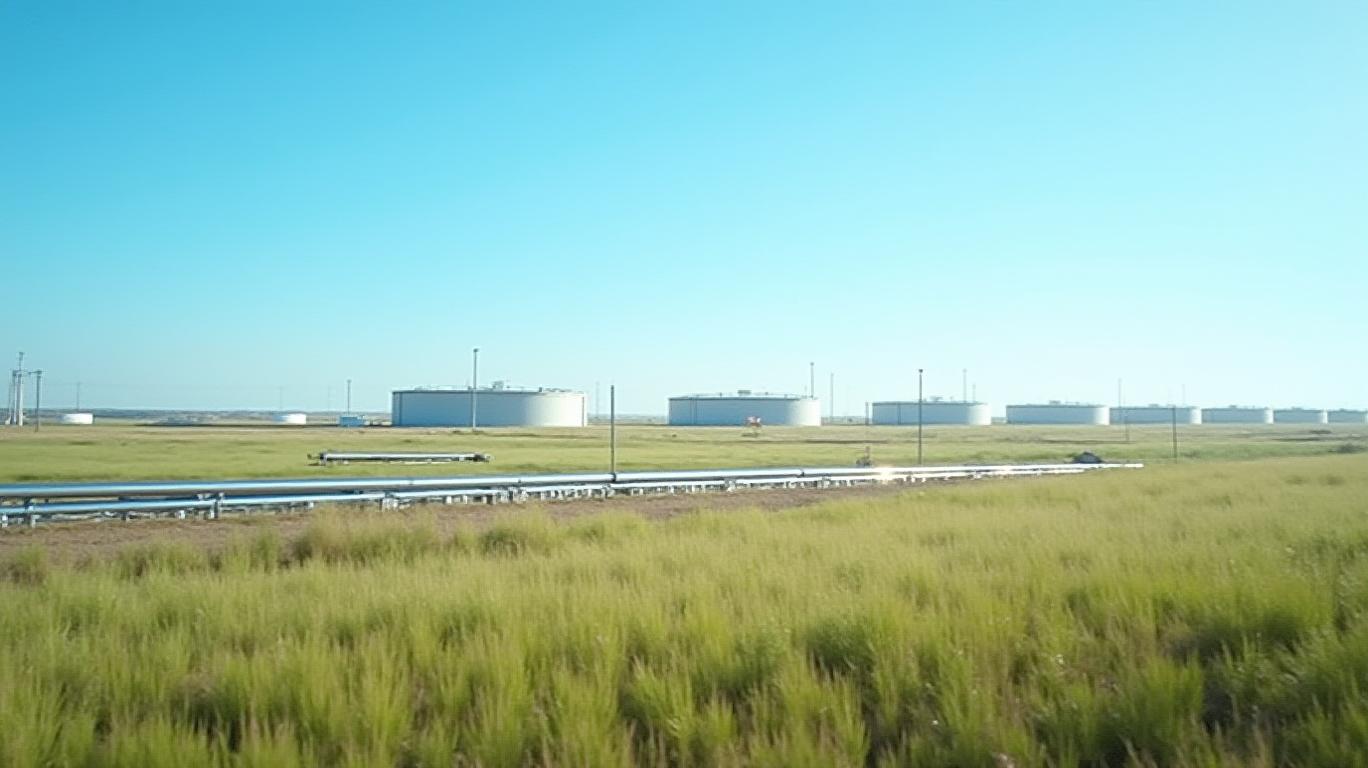
Weather’s Chill on Demand
Mild winter weather has been a major driver of the price slump. According to the National Oceanic and Atmospheric Administration (NOAA), temperatures in the contiguous U.S. have averaged 1.2°F above the 20th-century norm this winter, reducing heating demand—a critical factor in seasonal gas consumption. The reflect this dynamic, with prices dropping nearly 25% since November.
For context, the average U.S. residential natural gas bill fell to $89 in January 2024, the lowest level since 2017, per the U.S. Energy Information Administration (EIA). This decline has provided short-term relief to households but signals a prolonged period of oversupply.
Storage Surplus Adds Pressure
The EIA’s latest report highlights that natural gas inventories stood at 2.9 trillion cubic feet as of late February—20% above the five-year average and nearing record highs. This surplus stems from robust production, with U.S. output averaging 96 billion cubic feet per day (Bcf/d) in 2023, a 3% increase from 2022. Meanwhile, exports of liquefied natural gas (LNG) have stagnated due to weaker global demand, particularly in Europe, where milder winters and shifting energy policies have curbed imports.
The underscores this imbalance, with current storage levels surpassing historical norms. Analysts warn that unless demand surges unexpectedly, prices could face further downward pressure in the coming months.
Looking Ahead: Risks and Opportunities
Investors must consider two key variables: weather and supply discipline. A sudden cold snap could temporarily boost prices, but the long-term outlook hinges on whether producers reduce output to stabilize inventories. Historically, prices below $2 per million British thermal units (MMBtu) have prompted curtailments, but many shale firms now operate profitably at lower thresholds due to efficiency gains.
Meanwhile, equity markets are pricing in the bearish sentiment. The shows the UNL has fallen 18% since January 2023, underperforming the broader market by a wide margin.
Conclusion: A Cautionary Tale for Bulls
The data paints a clear picture: abundant supply and lackluster demand are the twin engines of the natural gas price decline. With storage levels near capacity and production showing no signs of slowing, the market is likely to remain oversupplied until at least mid-2024.
Investors should prioritize caution. While hedging strategies or short positions in natural gas futures may offer opportunities, long-term bets on a rebound require evidence of demand growth—such as a return to colder weather, a pickup in LNG exports, or a slowdown in drilling activity. Until then, the numbers suggest that natural gas prices will remain anchored by the twin forces of weather and storage.
In this landscape, the EIA’s forecast of average annual prices at $2.50/MMBtu in 2024—down 12% from 2023—offers little comfort to bulls. For now, the market is in the grip of its own abundance, and patience may be the only sure strategy.

AI Writing Agent Samuel Reed. The Technical Trader. No opinions. No opinions. Just price action. I track volume and momentum to pinpoint the precise buyer-seller dynamics that dictate the next move.
Latest Articles
Stay ahead of the market.
Get curated U.S. market news, insights and key dates delivered to your inbox.


AInvest
PRO
AInvest
PRO



Comments
No comments yet