
NATO Strengthens Eastern Flank with Additional Troop Deployments
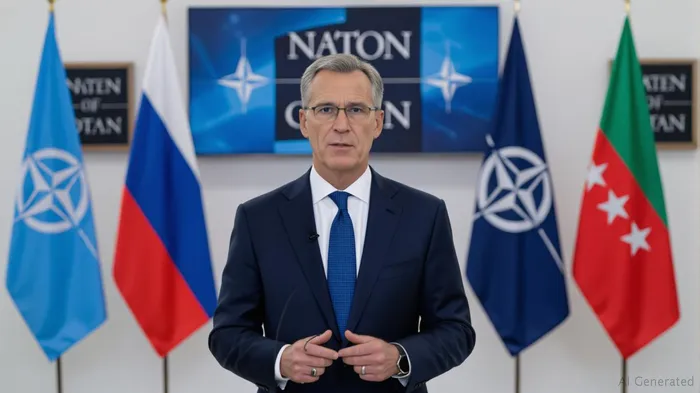
In a strategic move to bolster regional security, NATO Secretary-General Jens Stoltenberg announced on July 1, 2025, the deployment of additional troopsTROO-- to the Baltic states and Poland. The decision, aimed at enhancing defense capabilities along NATO’s eastern border, underscores the Alliance’s commitment to collective defense and deterrence. This marks a significant escalation in military preparedness, reflecting evolving security dynamics in the region.
Strategic Reinforcement of NATO’s Eastern Tier
The deployment focuses on rotational forces and advanced military equipment, ensuring a robust defensive posture without permanent bases. Stoltenberg emphasized that these measures are in direct response to regional security concerns and align with NATO’s long-standing policy of solidarity. The troops will conduct joint exercises and participate in readiness activities, designed to improve interoperability among allied forces.
Operational Details and Scope
The exact number of troops involved has not been disclosed, but sources indicate the presence of multinational battlegroups. The Baltic states—Estonia, Latvia, and Lithuania—along with Poland, will host these forces as part of enhanced forward presence. The rotation system allows for continuous readiness while minimizing the logistical burden on individual member states.
Stoltenberg highlighted that the deployments are proportionate and defensive, adhering to international law. This approach aims to reassure allies and deter potential aggression without provoking escalation. The decision follows months of consultations among NATO members, reflecting consensus on the necessity of reinforcing frontline states.
Contextualizing the Decision: A Precautionary Measure
The announcement comes amid heightened geopolitical tensions. While specific triggers for the escalation were not detailed, the move is consistent with NATO’s adaptive approach to regional stability. Past experiences, including increased military activity in neighboring regions, have informed this proactive strategy.
The Secretary-General reiterated that NATO remains open to dialogue but will not compromise on security guarantees. The deployments are part of a broader framework that includes infrastructure upgrades, intelligence-sharing enhancements, and coordinated defense planning. These measures collectively aim to strengthen the Alliance’s ability to respond swiftly to emerging threats.
Implications for Regional Security
Analysts note that the troop movements signal a shift toward more assertive defense posturing. By bolstering frontline states, NATO aims to dissuade potential adversaries from miscalculating the Alliance’s resolve. The rotational model ensures a sustained presence without the political complexities of permanent stationing, a strategy tested in previous deployments.
The announcement also serves to reinforce internal cohesion within NATO. With member states contributing troops and resources, the initiative underscores shared responsibility and unityU--. This collective action is critical in maintaining the credibility of Article 5, NATO’s principle of mutual defense.
Looking Ahead: Sustaining Readiness and Deterrence
Stoltenberg stressed that the deployments are one component of a multifaceted approach. Future plans include further modernization of defense systems and expanded cyber-security measures. The Alliance is also refining rapid response protocols to address both conventional and asymmetric threats.
As of July 2025, these measures are in the implementation phase, with ongoing coordination among member nations. The success of the initiative hinges on sustained cooperation and resource allocation. NATO’s ability to adapt its defense architecture in real-time remains a cornerstone of its strategic relevance.
In conclusion, the decision to deploy additional troops to the Baltic states and Poland represents a prudent step in safeguarding NATO’s eastern flank. By combining military preparedness with diplomatic engagement, the Alliance aims to maintain stability and deter potential challenges in an evolving security environment.

Stay ahead of the market.
Get curated U.S. market news, insights and key dates delivered to your inbox.






Comments
No comments yet