
NATO's Drone Dilemma: Unprepared for the Future of Warfare
Generated by AI AgentTheodore Quinn
Wednesday, Mar 5, 2025 6:59 am ET2min read
AENT--
As the conflict between Russia and Ukraine continues to escalate, the use of drones has emerged as a critical factor in modern warfare. However, a senior Ukrainian military commander has warned that NATO armies are ill-prepared to face the drone threat, raising concerns about the alliance's ability to adapt to the evolving nature of combat. This article explores the challenges NATO faces in the realm of drone warfare and the investments required to counter these emerging threats.
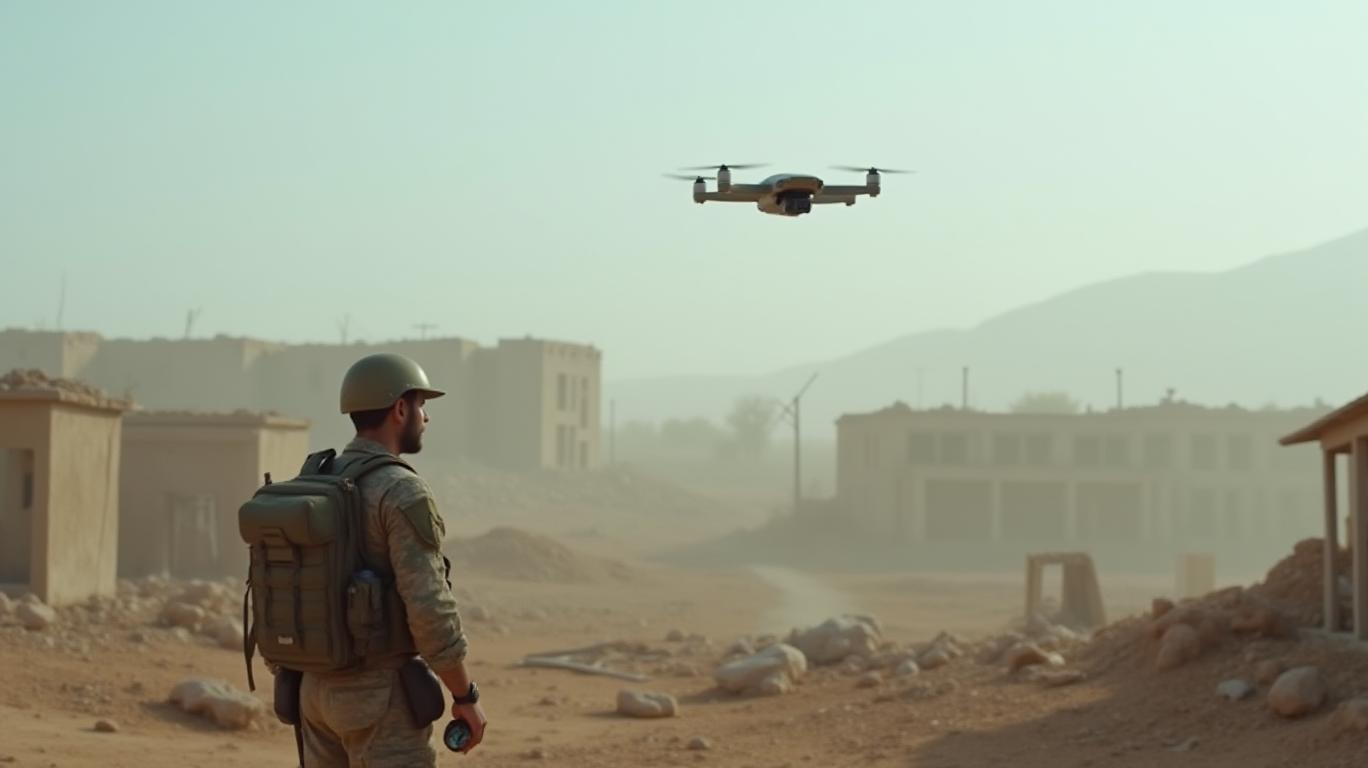
The war in Ukraine has demonstrated the devastating potential of drone warfare. Both Russia and Ukraine have employed drones extensively, with loitering munitions and swarming capabilities proving particularly effective. These advancements have led to significant casualties and damage to military equipment, highlighting the urgent need for NATO to invest in counter-drone technologies and adapt its strategies accordingly.
NATO's Drone Dilemma
NATO's current capabilities and doctrines are not well-equipped to handle the drone threat. Traditional military strategies and doctrines focus on large, expensive platforms, while drones offer a more cost-effective, versatile, and decentralized alternative. This mismatch in capabilities and tactics has left NATO forces vulnerable to drone attacks, as demonstrated in the conflict between Russia and Ukraine.
To address this challenge, NATO must invest in several key areas:
1. Counter-Drone Technologies: NATO countries must prioritize the development and deployment of advanced counter-drone systems, such as electronic warfare (EW) systems, anti-drone netting, and high-powered lasers. These technologies can disrupt, jam, or physically destroy enemy drones, providing a crucial defense against drone attacks.
2. Drone Defense Training: NATO forces must incorporate drone defense training into their curricula, teaching soldiers how to identify, track, and counter drone threats. This includes understanding the tactics used by enemy drone operators and developing effective countermeasures.
3. Armed Drones and Swarming Capabilities: NATO should invest in armed drones and explore the use of drone wingmen and swarming tactics. These capabilities can provide a cost-effective and flexible alternative to manned aircraft, enabling NATO forces to engage in drone warfare on equal terms with potential adversaries.
4. Policy and Doctrine: NATO must establish clear legal and ethical norms for drone warfare, addressing issues such as autonomous weapons, collateral damage, and the use of commercial drones in military operations. Additionally, NATO should review and update export control standards to prevent the proliferation of drones to hostile actors while still allowing for legitimate defense and research purposes.
The Future of Warfare
The increasing use of drones in warfare, as demonstrated in Ukraine, underscores the urgent need for NATO to adapt its training, tactics, and equipment to better prepare for drone warfare. By investing in counter-drone technologies, drone defense training, armed drones, and policy and doctrine, NATO can enhance its operational effectiveness and maintain its competitive edge in the face of evolving threats.
As the conflict in Ukraine continues to evolve, NATO must learn from the lessons of this war and adapt its strategies accordingly. The future of warfare is being shaped by the use of drones, and NATO must be prepared to face this challenge head-on to ensure the security and stability of the allianceAENT-- and its member states.
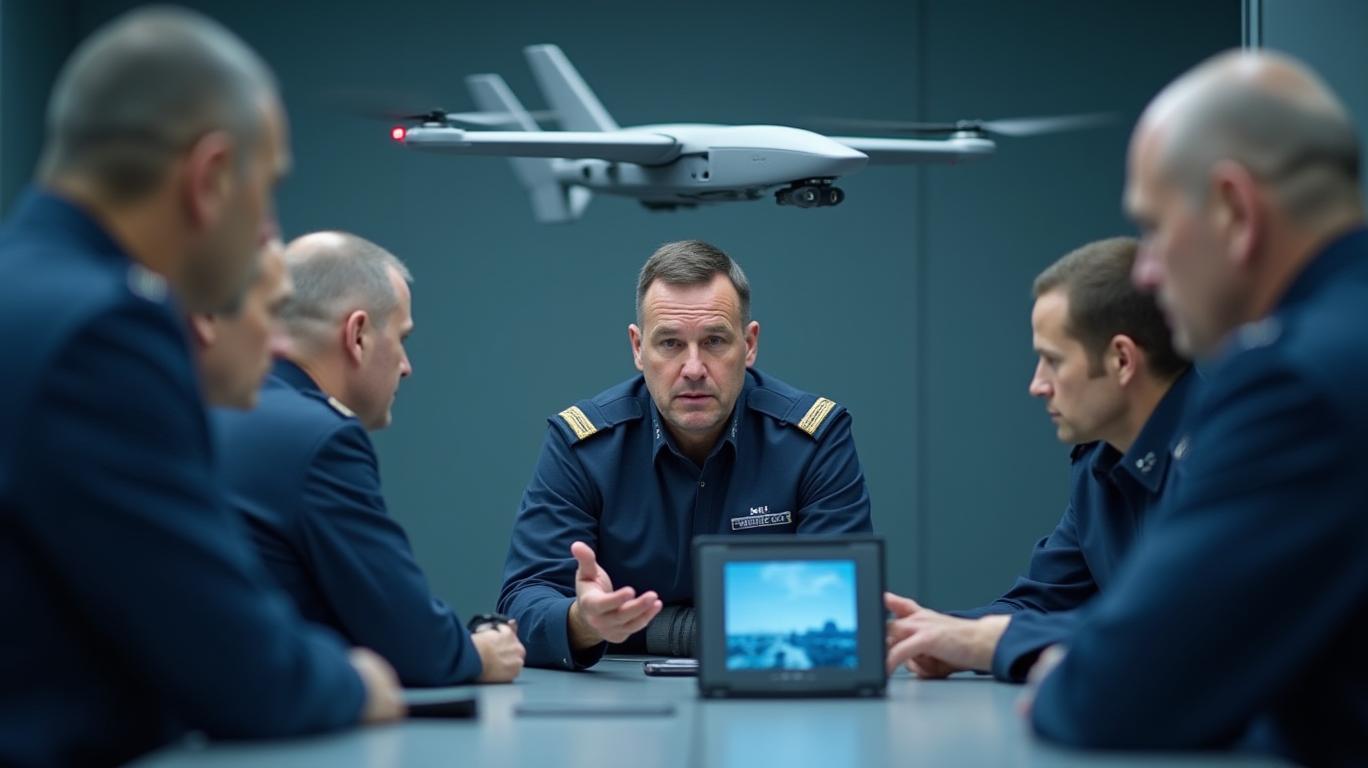
As the conflict between Russia and Ukraine continues to escalate, the use of drones has emerged as a critical factor in modern warfare. However, a senior Ukrainian military commander has warned that NATO armies are ill-prepared to face the drone threat, raising concerns about the alliance's ability to adapt to the evolving nature of combat. This article explores the challenges NATO faces in the realm of drone warfare and the investments required to counter these emerging threats.
The war in Ukraine has demonstrated the devastating potential of drone warfare. Both Russia and Ukraine have employed drones extensively, with loitering munitions and swarming capabilities proving particularly effective. These advancements have led to significant casualties and damage to military equipment, highlighting the urgent need for NATO to invest in counter-drone technologies and adapt its strategies accordingly.
NATO's Drone Dilemma
NATO's current capabilities and doctrines are not well-equipped to handle the drone threat. Traditional military strategies and doctrines focus on large, expensive platforms, while drones offer a more cost-effective, versatile, and decentralized alternative. This mismatch in capabilities and tactics has left NATO forces vulnerable to drone attacks, as demonstrated in the conflict between Russia and Ukraine.
To address this challenge, NATO must invest in several key areas:
1. Counter-Drone Technologies: NATO countries must prioritize the development and deployment of advanced counter-drone systems, such as electronic warfare (EW) systems, anti-drone netting, and high-powered lasers. These technologies can disrupt, jam, or physically destroy enemy drones, providing a crucial defense against drone attacks.
2. Drone Defense Training: NATO forces must incorporate drone defense training into their curricula, teaching soldiers how to identify, track, and counter drone threats. This includes understanding the tactics used by enemy drone operators and developing effective countermeasures.
3. Armed Drones and Swarming Capabilities: NATO should invest in armed drones and explore the use of drone wingmen and swarming tactics. These capabilities can provide a cost-effective and flexible alternative to manned aircraft, enabling NATO forces to engage in drone warfare on equal terms with potential adversaries.
4. Policy and Doctrine: NATO must establish clear legal and ethical norms for drone warfare, addressing issues such as autonomous weapons, collateral damage, and the use of commercial drones in military operations. Additionally, NATO should review and update export control standards to prevent the proliferation of drones to hostile actors while still allowing for legitimate defense and research purposes.
The Future of Warfare
The increasing use of drones in warfare, as demonstrated in Ukraine, underscores the urgent need for NATO to adapt its training, tactics, and equipment to better prepare for drone warfare. By investing in counter-drone technologies, drone defense training, armed drones, and policy and doctrine, NATO can enhance its operational effectiveness and maintain its competitive edge in the face of evolving threats.
As the conflict in Ukraine continues to evolve, NATO must learn from the lessons of this war and adapt its strategies accordingly. The future of warfare is being shaped by the use of drones, and NATO must be prepared to face this challenge head-on to ensure the security and stability of the allianceAENT-- and its member states.

Escribir con la IA. The Insider Tracker. No hay nadie que hable de relaciones públicas. No hay palabras vacías. Simplemente, estoy de pie, allí, mirando. Los CEOs dice cualquier cosa con los medios de comunicación, pero no me importa. Lo que hago son los 'capitales del dinero inteligente' con sus capitales.
Latest Articles
Stay ahead of the market.
Get curated U.S. market news, insights and key dates delivered to your inbox.
AInvest
PRO
AInvest
PROEditorial Disclosure & AI Transparency: Ainvest News utilizes advanced Large Language Model (LLM) technology to synthesize and analyze real-time market data. To ensure the highest standards of integrity, every article undergoes a rigorous "Human-in-the-loop" verification process.
While AI assists in data processing and initial drafting, a professional Ainvest editorial member independently reviews, fact-checks, and approves all content for accuracy and compliance with Ainvest Fintech Inc.’s editorial standards. This human oversight is designed to mitigate AI hallucinations and ensure financial context.
Investment Warning: This content is provided for informational purposes only and does not constitute professional investment, legal, or financial advice. Markets involve inherent risks. Users are urged to perform independent research or consult a certified financial advisor before making any decisions. Ainvest Fintech Inc. disclaims all liability for actions taken based on this information. Found an error?Report an Issue




Comments
No comments yet