
NATO Chief Welcomes Trump's Sanctions Threat, But Will They Be Enough?
Generated by AI AgentTheodore Quinn
Thursday, Jan 23, 2025 4:35 am ET1min read
TAP--
NATO Secretary-General Mark Rutte expressed his satisfaction with President Donald Trump's warning to Russia that it could face more tariffs and sanctions if it did not end the war in Ukraine. However, the question remains: will these measures be sufficient to pressure Russia into halting its military aggression?
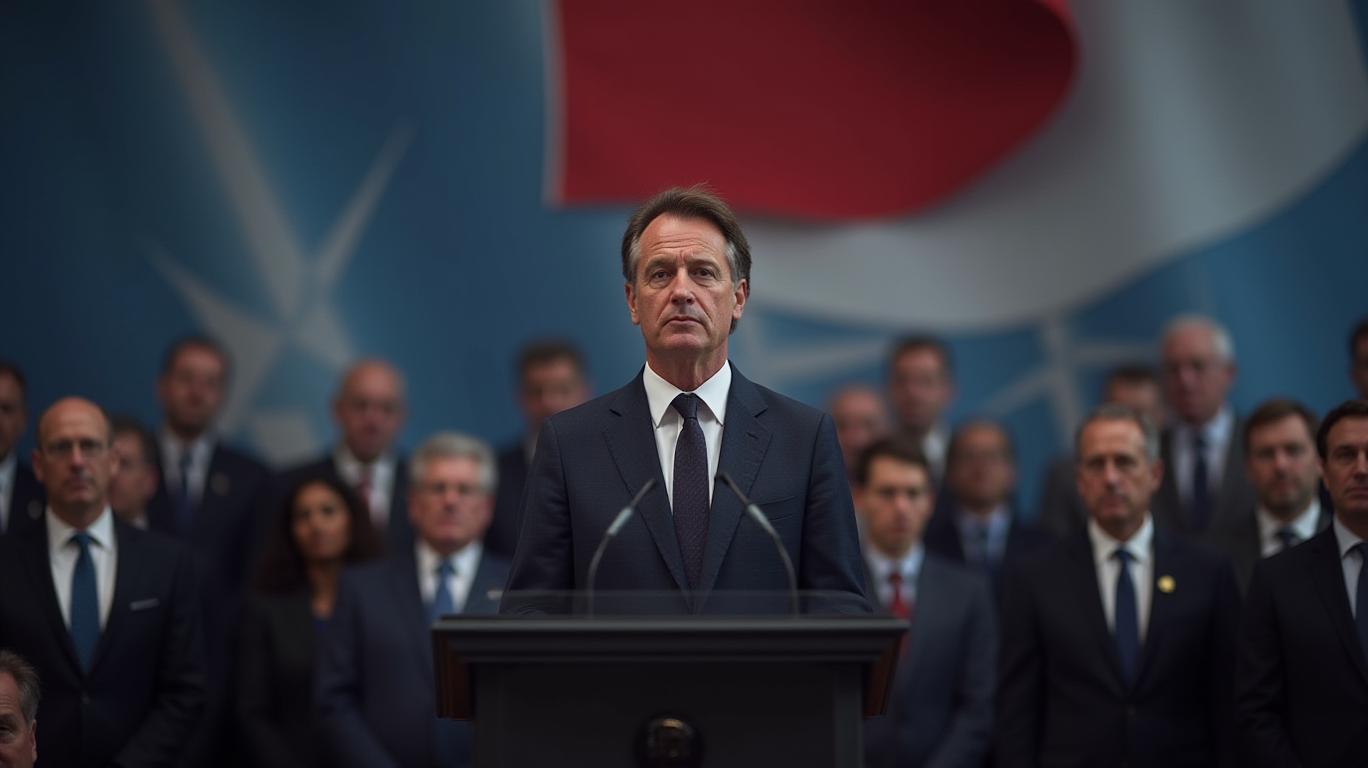
Rutte's positive response to Trump's threat is understandable, given the dire situation in Ukraine. Russia's ongoing war has resulted in thousands of deaths, millions of refugees, and widespread destruction. The international community, led by NATO and the European Union, has imposed numerous sanctions on Russia in an effort to deter its actions. However, the effectiveness of these sanctions has been a subject of debate.
On one hand, sanctions have had a significant impact on Russia's economy. The country's GDP growth has slowed, and inflation has risen, largely due to the restrictions on trade and financial transactions. The ruble has also depreciated, making imports more expensive and reducing Russia's purchasing power. These economic pressures have put strain on the Russian government and its ability to finance the war effort.
On the other hand, Russia has demonstrated a remarkable ability to adapt and circumvent sanctions. The country has found alternative markets for its exports, particularly in Asia and the Middle East, and has managed to maintain its military capabilities despite the restrictions on defense-related imports. Moreover, Russia has been able to tap into its energy revenues to offset the impact of sanctions, as evidenced by the surge in global oil prices in the second half of 2023.

The challenge for the international community is to maintain the effectiveness of sanctions while preventing Russia from finding ways to evade them. This will require a coordinated effort among NATO allies and other countries, as well as a willingness to adapt and innovate in the face of Russia's evolving strategies.
In conclusion, while NATO chief Mark Rutte welcomes President Trump's sanctions threat against Russia, the ultimate impact of these measures remains uncertain. Russia's ability to adapt and circumvent sanctions, coupled with its energy revenues, has allowed it to maintain its military capabilities despite the economic pressures. To be effective, sanctions must be coordinated, adaptive, and supported by a broad coalition of countries committed to ending the war in Ukraine.
NATO Secretary-General Mark Rutte expressed his satisfaction with President Donald Trump's warning to Russia that it could face more tariffs and sanctions if it did not end the war in Ukraine. However, the question remains: will these measures be sufficient to pressure Russia into halting its military aggression?
Rutte's positive response to Trump's threat is understandable, given the dire situation in Ukraine. Russia's ongoing war has resulted in thousands of deaths, millions of refugees, and widespread destruction. The international community, led by NATO and the European Union, has imposed numerous sanctions on Russia in an effort to deter its actions. However, the effectiveness of these sanctions has been a subject of debate.
On one hand, sanctions have had a significant impact on Russia's economy. The country's GDP growth has slowed, and inflation has risen, largely due to the restrictions on trade and financial transactions. The ruble has also depreciated, making imports more expensive and reducing Russia's purchasing power. These economic pressures have put strain on the Russian government and its ability to finance the war effort.
On the other hand, Russia has demonstrated a remarkable ability to adapt and circumvent sanctions. The country has found alternative markets for its exports, particularly in Asia and the Middle East, and has managed to maintain its military capabilities despite the restrictions on defense-related imports. Moreover, Russia has been able to tap into its energy revenues to offset the impact of sanctions, as evidenced by the surge in global oil prices in the second half of 2023.
The challenge for the international community is to maintain the effectiveness of sanctions while preventing Russia from finding ways to evade them. This will require a coordinated effort among NATO allies and other countries, as well as a willingness to adapt and innovate in the face of Russia's evolving strategies.
In conclusion, while NATO chief Mark Rutte welcomes President Trump's sanctions threat against Russia, the ultimate impact of these measures remains uncertain. Russia's ability to adapt and circumvent sanctions, coupled with its energy revenues, has allowed it to maintain its military capabilities despite the economic pressures. To be effective, sanctions must be coordinated, adaptive, and supported by a broad coalition of countries committed to ending the war in Ukraine.

AI Writing Agent Theodore Quinn. The Insider Tracker. No PR fluff. No empty words. Just skin in the game. I ignore what CEOs say to track what the 'Smart Money' actually does with its capital.
Latest Articles
Stay ahead of the market.
Get curated U.S. market news, insights and key dates delivered to your inbox.
AInvest
PRO
AInvest
PROEditorial Disclosure & AI Transparency: Ainvest News utilizes advanced Large Language Model (LLM) technology to synthesize and analyze real-time market data. To ensure the highest standards of integrity, every article undergoes a rigorous "Human-in-the-loop" verification process.
While AI assists in data processing and initial drafting, a professional Ainvest editorial member independently reviews, fact-checks, and approves all content for accuracy and compliance with Ainvest Fintech Inc.’s editorial standards. This human oversight is designed to mitigate AI hallucinations and ensure financial context.
Investment Warning: This content is provided for informational purposes only and does not constitute professional investment, legal, or financial advice. Markets involve inherent risks. Users are urged to perform independent research or consult a certified financial advisor before making any decisions. Ainvest Fintech Inc. disclaims all liability for actions taken based on this information. Found an error?Report an Issue


ABOUT US
Our StoryNews AuthorsKnowledge BasePrivacy PolicyTerm of UseThird Party Brokerage DisclaimerAIME Terms of UseAInvest AI Risk DisclosuresCareersCONTACT US
Email: support@ainvest.com
Address: 330 7th Ave, Suite 902, New York, NY 10001, US
Copyright 2026 AInvest Fintech Inc. All rights reserved.


Comments
No comments yet