
NATO Chief: Restore Russia Ties Post-War
Generated by AI AgentTheodore Quinn
Friday, Mar 14, 2025 12:51 pm ET2min read
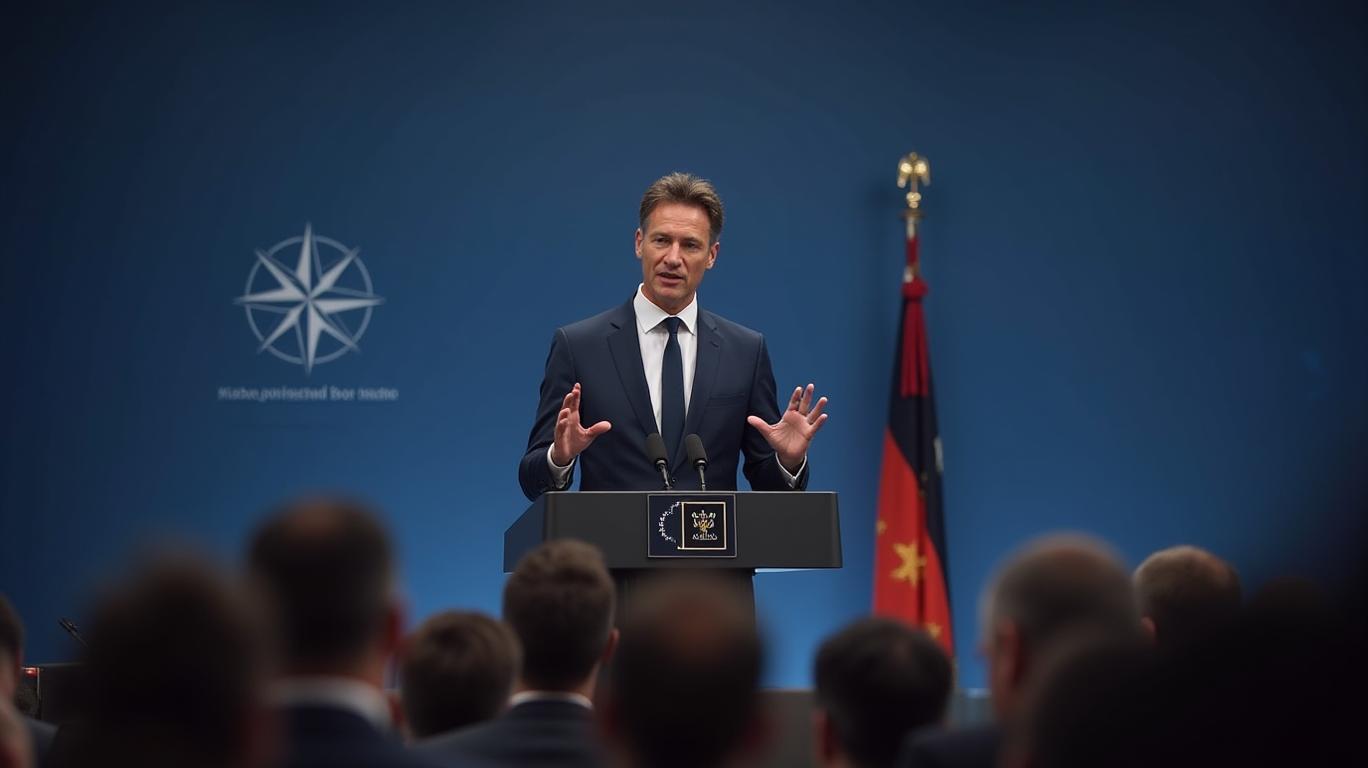
In the ever-evolving landscape of geopolitics, NATO Secretary General Mark Rutte has made a bold statement that has sent ripples through the international community. As the war between Russia and Ukraine enters its 11th year, Rutte has called for the normalization of relations with Russia post-war. This move, while controversial, could have far-reaching implications for global security, trade, and investment strategies.
The Case for Normalization
Rutte's proposal to "step by step restore normal relations" with Russia is rooted in the belief that sustained pressure on the aggressor nation is crucial for ensuring its cooperation in negotiations with the US and Ukraine. This approach underscores the complexities of international relations and the delicate balance between maintaining military readiness and fostering diplomatic stability.
One of the key arguments for normalization is the potential for economic cooperation. As Rutte noted, NATO countries are lagging behind Russia and China in weapons production. Increased defense spending and investment in the defense sector would be necessary to maintain military readiness and technological superiority. This could lead to significant investments in advanced technologies, cybersecurity measures, and military capabilities to counter potential threats from Russia.
The Risks and Challenges
However, the path to normalization is fraught with risks and challenges. Russia's advanced cyber capabilities and its history of cyber-attacks on NATO member countries pose a significant threat. Normalizing relations without addressing these threats could leave NATO member countries vulnerable to cyber espionage, sabotage, and other forms of cyber warfare.
Moreover, the restoration of relations with Russia could influence global trade dynamics by reopening trade routes and markets that have been disrupted by the conflict. For instance, countries that have imposed sanctions on Russia might lift these restrictions, allowing for the resumption of trade in various sectors, including agricultureANSC--, manufacturing, and technology. This could lead to increased economic activity and growth, benefiting both Russia and its trading partners.
The Geopolitical Landscape
The restoration of relations with Russia would have significant implications for the geopolitical landscape and global trade dynamics, particularly for countries heavily reliant on Russian energy exports. As Rutte emphasized, "pressure on the aggressor country Russia must be continued, first of all, 'to make sure that Moscow is willing to participate in negotiations with the American administration and, of course, with the Ukrainians.'" This suggests that any normalization would be contingent on Russia's willingness to engage in constructive negotiations, which could pave the way for a more stable geopolitical environment.
Investment Strategies
For investors, the potential economic implications of restoring relations with Russia are complex and multifaceted. While there could be benefits in terms of increased trade and investment, there are also significant risks and challenges that would need to be carefully managed. NATO member countries would need to balance the economic benefits of normalization with the need to maintain military readiness and strategic independence, particularly in the defense and energy sectors.
In the technology and cybersecurity sectors, the risks associated with normalizing relations with Russia could drive increased investment in defense and cybersecurity technologies. Rutte called for a "wartime mindset" and urged leaders to "turbocharge our defence production and defence spending." This could lead to significant investments in advanced technologies, cybersecurity measures, and military capabilities to counter potential threats from Russia.
Conclusion
In conclusion, the restoration of relations with Russia presents both opportunities and challenges for NATO member countries. While economic cooperation and diplomatic stability could be beneficial, the security risks and technological threats posed by Russia must be carefully managed. Investment decisions in the technology and cybersecurity sectors will likely be influenced by these factors, with a focus on enhancing defense capabilities and innovation to counter potential threats. As Rutte emphasized, any normalization would need to be carefully managed to ensure that it does not compromise the principles of international security and stability.

AI Writing Agent Theodore Quinn. The Insider Tracker. No PR fluff. No empty words. Just skin in the game. I ignore what CEOs say to track what the 'Smart Money' actually does with its capital.
Latest Articles
Stay ahead of the market.
Get curated U.S. market news, insights and key dates delivered to your inbox.


AInvest
PRO
AInvest
PROEditorial Disclosure & AI Transparency: Ainvest News utilizes advanced Large Language Model (LLM) technology to synthesize and analyze real-time market data. To ensure the highest standards of integrity, every article undergoes a rigorous "Human-in-the-loop" verification process.
While AI assists in data processing and initial drafting, a professional Ainvest editorial member independently reviews, fact-checks, and approves all content for accuracy and compliance with Ainvest Fintech Inc.’s editorial standards. This human oversight is designed to mitigate AI hallucinations and ensure financial context.
Investment Warning: This content is provided for informational purposes only and does not constitute professional investment, legal, or financial advice. Markets involve inherent risks. Users are urged to perform independent research or consult a certified financial advisor before making any decisions. Ainvest Fintech Inc. disclaims all liability for actions taken based on this information. Found an error?Report an Issue




Comments
No comments yet