
NATO Allies Agree to Double Military Spending to 5% of GDP by 2035
NATO allies have agreed to significantly increase their military spending target to 5% of GDP by 2035, more than doubling the existing 2% benchmark. This decision was announced during a high-level summit and comes in response to the ongoing war in Ukraine, rising tensions across the Middle East, and renewed concerns about Russia. The new target is divided into two parts: a minimum of 3.5% will be allocated directly to defense operations, while the remaining 1.5% will fund other security and infrastructure projects. These projects include civil readiness systems, innovation pipelines, and maintaining NATO’s industrial base. Member states are now required to submit yearly progress plans showing how they will gradually reach the 5% target by the deadline. This requirement applies to all countries, including those like Spain, which have not yet met the 2014 goal of spending 2% of GDP on defense.
The announcement follows years of pressure from Washington, particularly from Donald Trump, who criticized NATO countries for not contributing their fair share during his presidential terms. Trump, now back in the White House, has called out NATO countries, especially in Europe and Canada, for not meeting their financial obligations. Speaking aboard Air Force One, Trump emphasized his commitment to being a friend to NATO allies and helping them, despite his past criticisms. The pact also reaffirms NATO’s Article 5 principle, which states that an attack on one member is an attack on all. Recent doubts about whether the U.S. would still honor this clause under Trump’s leadership had cast shadows over the alliance. However, NATO’s statement left no room for ambiguity, reaffirming the alliance’s unity and resolve to protect its citizens and defend its freedom and democracy.
NATO Secretary General Mark Rutte called the new agreement a starting point, emphasizing the need for innovation and swift action. He noted that the deal sends a message that all allies are ready to meet growing threats and that the plan will also result in economic benefits like job creation. Rutte highlighted that the decisions made during the summit will make NATO much stronger and fairer, with allies committed to Article 5 and determined to stand firm. The decision to increase military spending did not come easily, with countries like Spain raising concerns about the rapid increase from under 2% to 5% in just ten years. However, Rutte believed that Madrid was serious about hitting at least the 3.5% portion earmarked for military use and that significant commitments had been made by all parties to respond to significant threats.
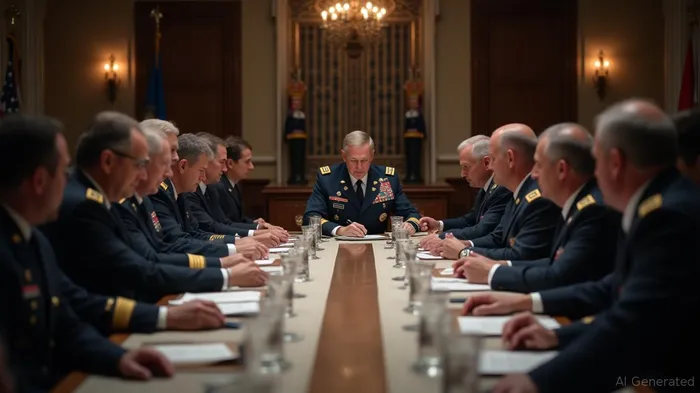
Alexander Stubb, the President of Finland, described the atmosphere at the summit as “cool, calm and collected.” He called the meeting historic and noted that NATO was “going back to its roots of collective self-defense as a deterrent to Russia.” Both Trump and Rutte appeared pleased with the outcome, and there were smiles around the table despite the difficult situation. Johann Wadephul, Germany’s Foreign Minister, said Berlin had committed to the 5% target ahead of the summit and was now ready to play a stronger role in European defense. He emphasized that Spain’s hesitation did not slow down the process and that the key takeaway from the meeting was unity. Wadephul noted that the ironclad message from the summit was that NATO would stick together completely and that the U.S. has recognized that Europe is back again.

Stay ahead of the market.
Get curated U.S. market news, insights and key dates delivered to your inbox.


AInvest
PRO
AInvest
PRO



Comments
No comments yet