
National Guard Mobilization Boosts ICE Support Amid Trump's Immigration Crackdown
 Aime Summary
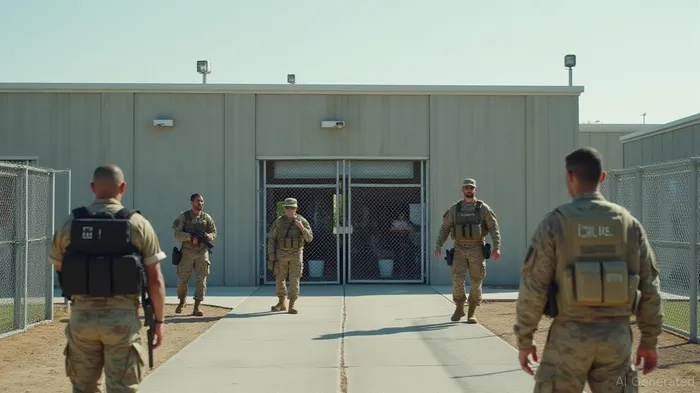
The deployment of National Guard troops across 19 states is set to enhance support for the Department of Homeland Security as President Donald Trump intensifies efforts to combat illegal immigration. Despite initial speculations, the White House clarified that these mobilizations are not linked to Trump's initiative to address crime in Washington, D.C. The forthcoming mobilizations will engage approximately 1,700 National Guard soldiers in administrative and logistical roles, thereby augmenting ICE's processing capabilities. This includes fingerprinting, DNA swabbing, personal data collection, and photographing detainees.
This operational directive follows a recent deployment of National Guard troops in Washington, D.C., under direct presidential authority as part of a crackdown on violent crime. Trump expressed intentions to extend the mission's scope to other cities such as Chicago and New York, citing notable achievements in the capital, like a substantial reduction in crime rates and bolstered safety in public areas.
Under Title 32 Section 502F authority, the mobilization is exempt from the restrictions of the Posse Comitatus Act, which limits military involvement in civilian law enforcement. This legal framework allows the National Guard to provide necessary support functions without directly engaging in law enforcement activities, a point highlighted by both state and federal officials. Defense Secretary Pete Hegseth authorized the shift from Title 10 to Title 32 status, in response to evolving administrative needs expressed by ICE.
National Guard personnel will report directly to ICE at designated locations, remaining under state governor control, except where direct presidential authority applies, such as in D.C. Virginia Governor Glenn Youngkin confirmed that the Virginia National Guard will participate under the state's Homeland Security Task Force, focusing on logistics rather than street patrols. Youngkin praised Trump’s coordination efforts to enhance safety in the capital and reassured Virginia's contribution will remain supportive, avoiding direct law enforcement roles.
Other states, including Texas and Alabama, will see significant National Guard presence as part of this broader enforcement strategy. Some governors, like Ohio's Mike DeWine and South Carolina’s Henry McMaster, are deploying troops for heightened security measures, aligning with federal strategic objectives despite ongoing judicial and municipal oversight challenges in the capital.
The operational scope of these deployments underscores a federal initiative to address pressing immigration challenges while distinguishing border control efforts from urban crime-fighting initiatives. The administration remains committed to maintaining territorial integrity through structured interagency collaborations, supported by strategic mobilization of National Guard forces across selected states.

Stay ahead of the market.
Get curated U.S. market news, insights and key dates delivered to your inbox.


AInvest
PRO
AInvest
PRO



Comments
No comments yet