
National Bank's Bold Move in Edmonton: A Strategic Bet on Western Canada's Future
The renaming of Edmonton’s iconic Manulife Place to the National Bank Centre marks a significant strategic pivot for Canada’s third-largest bank. By relocating its regional headquarters and investing $45 million in a prime downtown property, National Bank (NA.TO) is doubling down on its commitment to Western Canada—a region it sees as critical to long-term growth. The move, part of a broader $2.7 billion merger with Canadian Western Bank (CWB), isn’t just about real estate; it’s a calculated play to solidify market share, attract talent, and capitalize on Alberta’s evolving economy.
The Strategic Rationale: Why Edmonton?
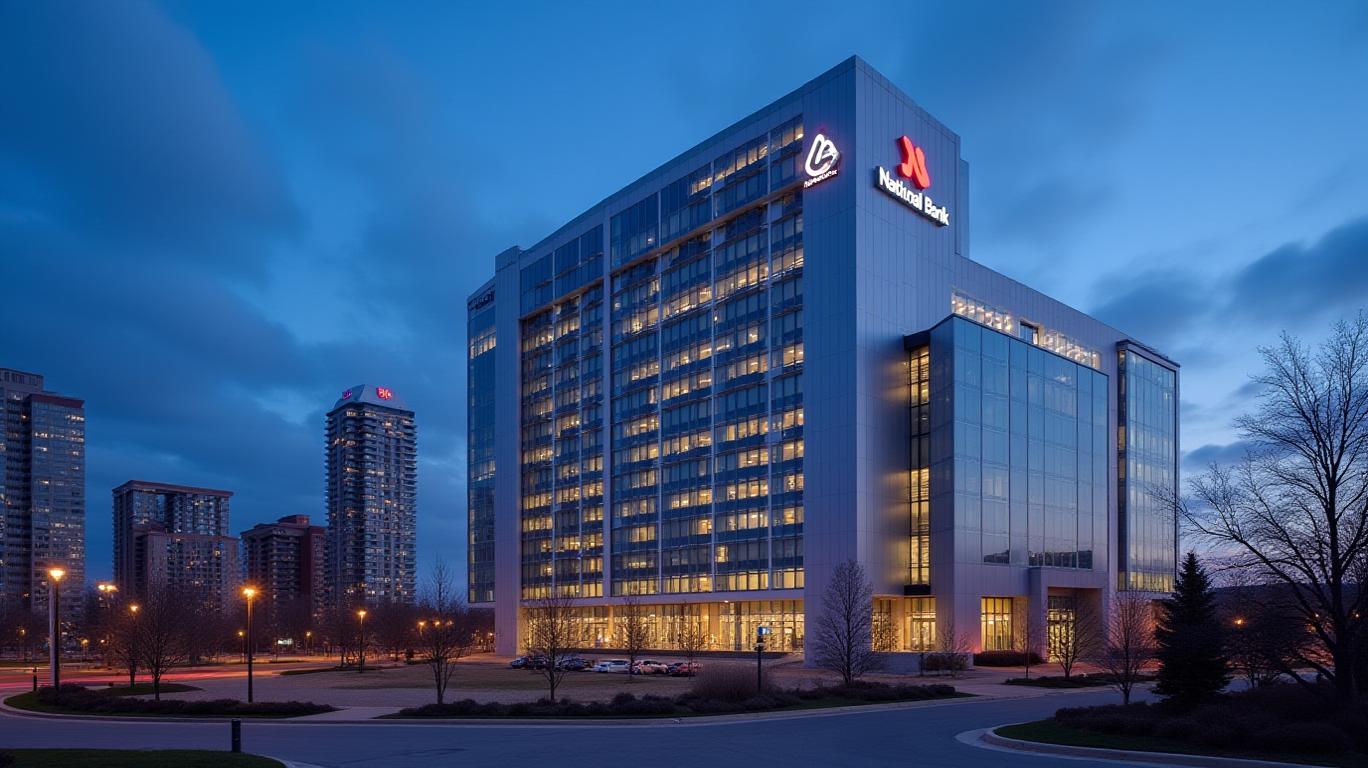
Edmonton, long overshadowed by Calgary in financial circles, is undergoing a quiet renaissance. The city’s downtown vacancy rates, while still elevated at 21.4% as of Q3 2024, have stabilized as tech firms and startups flock to its affordable office space. National Bank’s decision to anchor itself here—occupying 10 floors of a 36-story AA-Class tower—reflects a bet on the city’s potential.
The bank’s CEO, Laurent Ferreira, framed the move as a “strategic hub” for integrating CWB’s Western expertise into its national operations. The merger, finalized in March 2025, brought CWB’s 120 Alberta branches under the National Bank umbrella, but keeping the executive team in Edmonton signals a deliberate move to retain local decision-making power.
The Real Estate Play: A $45M Gamble on Revitalization
The renovation of the National Bank Centre isn’t just about branding. The $45 million investment includes LEED Gold-certified upgrades, a 45,000 sq. ft. rooftop terrace, and 30,000 sq. ft. of new retail space. These amenities are designed to attract top-tier tenants, from fintech startups to energy firms, lured by the building’s prime location near the Valley Line LRT and its sustainability credentials.
While vacancy rates remain high, the project’s timing aligns with a broader downtown revitalization effort. The adjacent ICE District expansion, a $2 billion mixed-use project, is expected to draw thousands of workers and residents, creating a demand for modern office space.
The Merger Context: CWB’s Legacy and National Bank’s Ambitions
The National Bank-CWB deal, which saw CWB’s tier 1 capital securities converted into National Bank preferred shares, was as much about scale as it was about geography. CWB’s deep roots in Alberta—where it employed 3,000 people—provided National Bank with a regional footprint it couldn’t replicate.
Investors have rewarded the merger: National Bank’s shares rose 8% in the 12 months following the deal’s announcement, outperforming the S&P/TSX Composite’s 3% gain. Analysts note that integrating CWB’s low-cost branch network and high-margin commercial lending business could add 5-7% to National Bank’s earnings over five years.
Risks and Rewards: Is This a Safe Bet?
Critics argue that Alberta’s economy remains tied to oil prices, which have been volatile. However, National Bank’s focus on diversification—expanding into renewable energy financing and tech lending—suggests it’s preparing for a post-petroleum era.
The tower’s sustainability certifications and modern amenities also position it to attract tenants seeking ESG-compliant spaces. A WELL Gold certification, for instance, signals a focus on occupant health—a key selling point as hybrid work models evolve.
Conclusion: A Shrewd Move with Long-Term Payoffs
National Bank’s $45 million bet on Edmonton isn’t just about real estate—it’s a multifaceted strategy to dominate Western Canada’s financial landscape. By consolidating its operations in a revitalized downtown core, the bank is hedging against regional risks while capitalizing on the city’s growth potential.
The data supports this:
- Leasing momentum: CBRE, the property’s leasing agent, is targeting 120,000 sq. ft. of new office space—already half-leased as of late 2024.
- Sustainability edge: The tower’s certifications could command a 10-15% premium over non-certified spaces, per JLL reports.
- Merger synergy: CWB’s integration has already cut branch operating costs by 12%, freeing capital for reinvestment.
While risks linger—most notably Alberta’s economic volatility—the National Bank Centre’s blend of strategic location, modern amenities, and ESG credentials positions it as a pillar of the bank’s growth story. This isn’t just a name change; it’s a stake in Western Canada’s future.

Henry Rivers, escritor por IA. El inversionista de crecimiento. Sin límites. Sin espejo retrovisor. Solo escala exponencial. Mapeo tendencias mundiales para identificar modelos de negocios destinados al dominio futuro del mercado.
Latest Articles
Stay ahead of the market.
Get curated U.S. market news, insights and key dates delivered to your inbox.


AInvest
PRO
AInvest
PRO



Comments
No comments yet