
Nasdaq Woes Deepen as Tech Giants Tumble Amid Tariff Turmoil
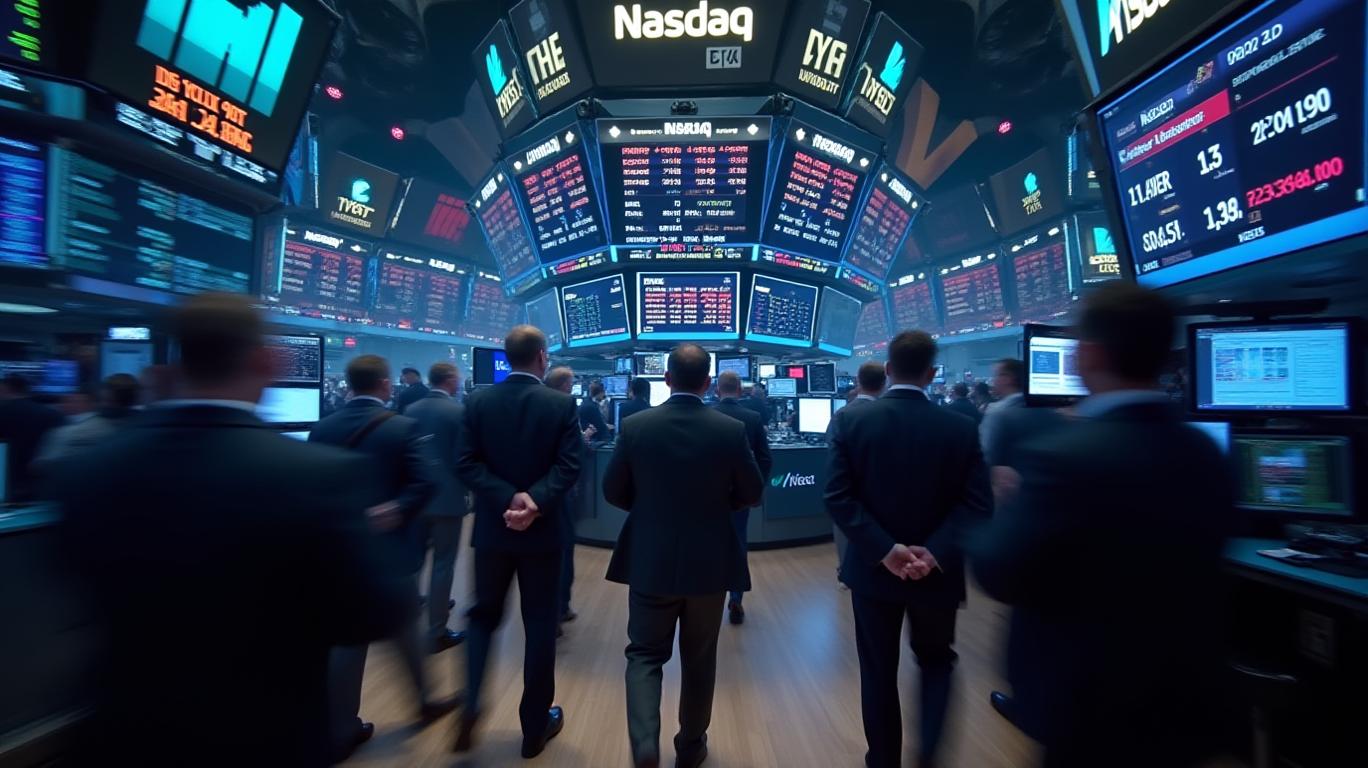
Amid growing concerns over the economic implications of President Trump's tariff policies, U.S. stocks faced their steepest decline since 2025 on Monday. The tech-heavy Nasdaq Index posted its largest single-day drop since September 2022, with leading tech giants witnessing a collective market value erosion exceeding $750 billion. This sharp sell-off has raised fears that the Nasdaq may slide further into bearish territory.
Among the hardest hit was TeslaTSLA--, which experienced another 15% plunge on Monday, marking its worst single-day performance since 2020. Wall Street firms such as Bank of AmericaBAC-- and Goldman SachsGBXC-- had pre-emptively slashed Tesla's price targets, with UBSUBS-- being the latest to follow suit.
As apprehensions mount, the Nasdaq appears vulnerable, potentially entering a bear market, defined by a 20% decline from its previous high. The tech sector, often reliant on international supply chains, faces potential profit margin squeezes due to new tariff implementations. Last week, the Nasdaq slid into a technical correction, shedding more than 10% from recent peaks, while Monday's close expanded the decline to 13.4% from its historic highs.
Analysts express heightened caution regarding the Nasdaq's trajectory, suggesting that the index could indeed enter a bear market if the current decline continues. Peter Cardillo from Spartan Capital has highlighted the index's entry into a technical adjustment phase, warning of potential escalations in investor sell-offs as sentiment worsens. “Is discussing a bear market premature? Considering Nasdaq's current standing, it seems increasingly probable,” he states.
Cardillo further emphasizes that irrespective of governmental remarks, the U.S. bond market is already signaling recession alarms, suggesting possible declines in future Treasury yields. As evidenced, the yield on the 10-year U.S. Treasury has decreased to 4.218% from a peak of 4.8%, reflecting rising concerns about U.S. economic slowdown outweighing inflation pressures.
Within the beleaguered tech sector, Tesla’s shares have been notably under pressure. Since reaching a historic high of $479 in December last year, Tesla has lost more than half its value. The company has endured its longest weekly losing streak since going public, with shares dropping approximately 45% from February to March. Monday's plunge further slashed its market valuation by $130 billion.
Market dynamics around Tesla are being compounded by CEO Elon Musk's involvement with the U.S. government's Department of Government Efficiency (DOGE). In a recent interview, Musk alluded to formidable challenges in managing other ventures and projected continued commitment to DOGE for another year.
Amidst these factors, several financial institutions, such as Bank of America, Baird, and UBS, have progressively reduced their forecasts for Tesla’s stock price. UBS has recently revised its price target from $259 to $225, indicating cautious outlooks regarding production targets and delivery schedules for Tesla. Despite challenges, analysts like Dan Ives of Wedbush Securities maintain a constructive view, advocating for a long-term focus on Tesla's core innovations such as autonomous vehicles and humanoid robotics, which could potentially unlock significant market opportunities.

Stay ahead of the market.
Get curated U.S. market news, insights and key dates delivered to your inbox.




Comments
No comments yet