
Nasdaq Composite: Why Inflation Data Could Halt The Rally
 Aime Summary
Tech stocks lead the recovery with bargain buying ahead of key semiconductor earnings. . - Federal Reserve policymakers warn that sticky inflation may delay anticipated interest rate cuts. .
Wall Street is navigating a delicate balance between geopolitical optimism and macroeconomic reality. While the Nasdaq Composite and S&P 500 have posted gains for seven consecutive days, the market's momentum faces a critical test today with the release of March inflation data. Investors are particularly wary that the recent war in the Middle East has reignited inflationary pressures, potentially complicating the Federal Reserve's path to lowering interest rate cuts. The convergence of ceasefire talks and high energy costs creates a complex backdrop for the tech-heavy index, which has been the primary driver of recent market strength.
Why Is The Nasdaq Composite Rallying Despite Geopolitical Fears?
The Nasdaq Composite has emerged as the standout performer in the recent market rebound, driven by a combination of bargain hunting and renewed hope for stability in the Middle East. Following deep losses in March sparked by uncertainty over the Iran conflict, investors have returned to the technology sector with renewed vigor. The rally was fueled by positive sentiment surrounding ceasefire talks between the U.S. and Iran in Pakistan, which included commitments to reopen the , a critical shipping lane for global energy trade.
This geopolitical thaw has alleviated immediate fears of a prolonged supply shock, allowing risk appetite to return. , , reflecting the sector's sensitivity to risk-on sentiment. Technology stocks, which had suffered during the initial panic, are now viewed as undervalued assets by many fund managers. This buying trend was further supported by anticipation of earnings from major chipmakers like TSMCTSM-- and ASML, which are expected to provide clarity on the demand for semiconductors in an AI-driven economy.
However, the rally is not without its caveats. While the ceasefire talks have provided a temporary respite, the peace process remains fragile. Iran has accused Israel and the U.S. of violations, and it remains unclear if an Iranian delegation will attend the upcoming negotiations. Furthermore, oil prices, which had surged during the height of the conflict, have only partially retraced, due to lingering uncertainty about the Strait of Hormuz. This volatility suggests that the market is pricing in a best-case scenario while hedging against the possibility of renewed hostilities.
How Will March CPI Data Impact Future Rate Cut Expectations?
The March report, set to be released today, is poised to be a major catalyst for the market. Economists forecast a sharp increase in headline inflation, , marking the largest increase in nearly four years. This surge is primarily attributed to the war with Iran, which has boosted oil prices and pushed the national average retail gasoline price above $4 a gallon.
The implications for the Federal Reserve are significant. Recent minutes from the March meeting indicated that policymakers are increasingly concerned about sticky inflation, which could force them to reconsider their stance on interest rate cuts. If the CPI data confirms that inflation is running hotter than expected, the likelihood of rate cuts this year diminishes substantially. The Federal Reserve's dual mandate of maximum employment and stable prices puts it in a difficult position, as high energy costs can persistently elevate inflation even if the labor market remains resilient.
Beyond the headline number, the composition of the inflation report matters. Core CPI, which excludes volatile food and energy prices, . This suggests that the inflationary pressure is not just a temporary spike but may have broader implications for the economy. Economists warn that a second wave of inflation could follow as fuel surcharges impact other commodities like food and transportation costs. The market is currently pricing in these risks, but any surprise in the data could trigger significant volatility.
What Are The Key Risks For The Stock Market Moving Forward?
While the recent rally has been encouraging, several risks loom over the market as we move into the next phase. The primary concern is the sustainability of the ceasefire agreement. If the peace process breaks down or if Israel continues strikes in Lebanon, oil prices could spike again, reigniting inflationary fears and stalling the equity rally. The Strait of Hormuz remains a key point of contention, and any disruption to the flow of oil through this chokepoint would have immediate and severe consequences for global markets.
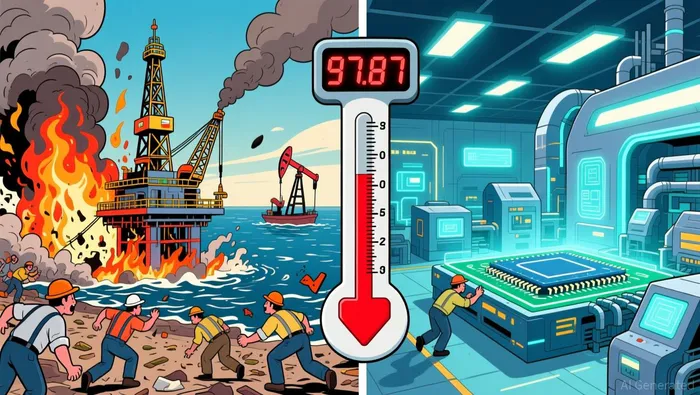
Another risk factor is the duration of the conflict. Analysts note that the market may need to consolidate further as investors digest the potential economic impact of higher oil prices. The U.S. gasoline prices have already topped $4 a gallon, and while an end to the war could mean temporary pricing pressures, the timing of a resolution remains uncertain. Additionally, the upcoming earnings season for major tech companies will be critical. Any miss in revenue or guidance could dampen the optimism that has driven the recent gains.
The macroeconomic environment also presents challenges. Mixed economic reports, including slightly hotter-than-expected inflation measures and rising unemployment claims, suggest a complex backdrop. If high oil prices sustain inflation, the Federal Reserve may struggle to resume interest rate cuts, with some officials even considering a rate hike. This scenario would increase borrowing costs for businesses and consumers, potentially slowing economic growth. Investors are advised to monitor the situation closely, as the interplay between geopolitical events and economic data will likely dictate market direction in the coming weeks.

Stay ahead of the market.
Get curated U.S. market news, insights and key dates delivered to your inbox.


AInvest
PRO
AInvest
PRO



Comments
No comments yet