
Nasdaq Composite Falls Amid Rising Geopolitical Risks and Energy Prices
 Aime Summary
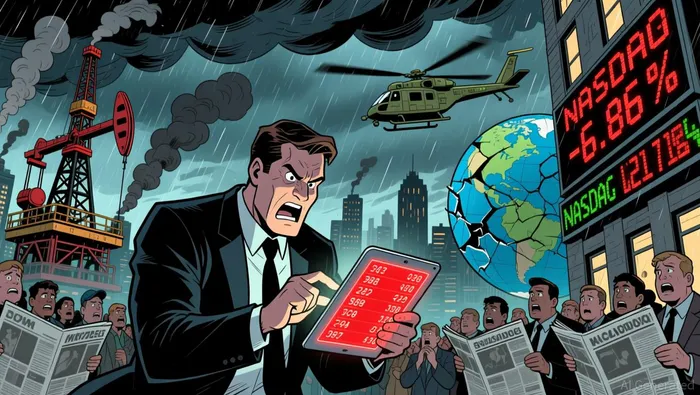
The Nasdaq Composite has fallen 6.86% in 2026 due to heightened geopolitical tensions and rising energy prices. Geopolitical tensions in the Middle East, especially around the Strait of Hormuz, have triggered increased risk-off sentiment and driven oil prices up. Investor sentiment is shifting toward long-term strategies despite near-term volatility, with historical bull markets lasting over 1,000 days.
The Nasdaq Composite, a benchmark for U.S. technology and growth stocks, is in the spotlight as it faces renewed downward pressure in early 2026. This decline is driven by a combination of rising oil prices, geopolitical tensions, and a cautious stance from the Federal Reserve. Retail and institutional investors are watching closely how these factors might affect the broader equity market.
Why Is the Nasdaq Composite Falling in Early 2026?
The Nasdaq Composite has dropped nearly 7% from the start of the year, a sharp reversal from its long-term growth trajectory. This decline is not isolated to tech stocks — the entire market is reacting to global concerns. The U.S. has issued a 48-hour ultimatum to Iran to reopen the Strait of Hormuz, a key oil transport route, or face potential military strikes on Iranian power plants. This has led to a surge in oil prices, with West Texas Intermediate climbing above $98 per barrel and Brent crude surpassing $112.
The threat of prolonged energy supply disruptions has triggered a "risk-off" sentiment in global markets. Equity futures have fallen, with the Nasdaq-100 pulling back by 0.5% in early trading. Crude prices are expected to remain elevated, increasing inflationary pressures and potentially prompting central banks to adopt a more hawkish monetary policy stance.
How Do Geopolitical Risks and Inflation Affect the Nasdaq Composite?
The Nasdaq Composite is particularly sensitive to macroeconomic changes because of its heavy weighting in tech and growth stocks, which thrive in low-inflation, low-interest-rate environments. As global tensions escalate and oil prices rise, investors are shifting to safer assets like gold and Treasuries. This shift has had a knock-on effect on equities, especially those with higher valuations.
The Federal Reserve has kept interest rates steady, reducing the market's expectation for rate cuts in 2026. The Fed's decision to maintain rates was partly driven by inflation concerns, with the U.S. wholesale inflation rate rising to 3.4%. Higher interest rates make growth stocks less attractive, as their future earnings are discounted more heavily. This has led to the Nasdaq Composite breaking below its 200-day moving average — a technical indicator that some traders interpret as a bearish signal.
What Long-Term Investors Should Know About the Nasdaq Composite
While the near-term outlook appears volatile, history shows that markets tend to recover and deliver strong long-term returns. Since 1929, the average bear market in the S&P 500 has lasted about nine months, while bull markets have lasted nearly three years. Although the Nasdaq Composite is down 6.86% in 2026, it still holds the potential to rebound once global tensions de-escalate and inflation stabilizes.
Investors are advised to avoid making panic-driven decisions during such volatile periods. Selling investments in response to short-term losses can lock in those losses and prevent recovery as markets stabilize. Instead, maintaining a diversified portfolio and staying invested is a proven strategy for long-term success.
What to Watch in the Coming Weeks
The coming weeks will be critical for the Nasdaq Composite and the broader market. Investors should closely monitor the following:
The outcome of the U.S.-Iran standoff. If the Strait of Hormuz remains closed or military action escalates, energy prices could rise even further, exacerbating inflation and increasing pressure on equities.
U.S. and global economic data. The S&P Global Flash U.S. PMI report is due soon, and a weaker-than-expected reading could signal deeper economic slowdowns, which would likely weigh on the Nasdaq Composite.
Federal Reserve policy. If the Fed decides to raise interest rates to combat inflation, it would increase the cost of capital and negatively impact high-growth stocks.
Corporate earnings. While many tech companies report earnings in early April, weak results could exacerbate market concerns.
In the meantime, the Nasdaq Composite remains a key barometer for U.S. economic health and investor sentiment. For now, uncertainty reigns, and the market is reacting accordingly. Long-term investors should take a measured approach and avoid overreacting to short-term volatility.

Stay ahead of the market.
Get curated U.S. market news, insights and key dates delivered to your inbox.


AInvest
PRO
AInvest
PRO



Comments
No comments yet