
NASA's Crew-11 Launchpad: SpaceX's Falcon 9 Boosts International Space Station Mission
 Aime Summary
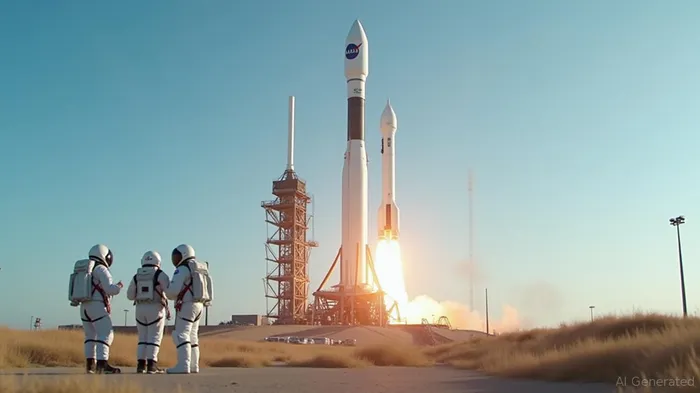
NASA is gearing up for the pivotal SpaceX Crew-11 launch, an integral part of its ongoing mission to maintain the continuous human presence aboard the International Space Station (ISS). Liftoff is scheduled from Launch Complex 39A at the Kennedy Space Center in Florida at 11:43 a.m. EDT on August 1, with the spacecraft aiming for docking at approximately 3 a.m. on August 2.
The Crew-11 mission onboard SpaceX's Dragon Endeavour marks the 11th crew rotation for NASA’s Commercial Crew Program, aligning U.S. astronauts with international partners to propel scientific research and commercial opportunities in low Earth orbit. This mission will see NASA astronauts Zena Cardman and Mike Fincke, JAXA astronaut Kimiya Yui, and Roscosmos cosmonaut Oleg Platonov embarking on a six-month journey to conduct scientific experiments and technology demonstrations aboard the space station.
SpaceX's Falcon 9 rocket, known for its reliability, will once again prove critical in transporting astronauts safely to space. The Crew Dragon Endeavour will undergo its sixth flight, showcasing the durability and effectiveness of SpaceX's spacecraft in long-duration missions. Analysts anticipate this mission will aid in increasing NASA's capability for future explorations to the Moon and Mars, expanding human presence beyond Earth.
NASA held a prelaunch conference on July 30, where experts from the space agencies detailed the mission objectives, highlighting contributions to future long-term space exploration. Participants included key figures such as Ken Bowersox from NASA, Sergei Krikalev from Roscosmos, and Naoki Nagai from JAXA.
The Crew-11 mission signifies a robust partnership between NASA and SpaceX, demonstrating their shared commitment to advancing space technology and international cooperation. The astronauts, originally sidelined due to complications with Boeing's Starliner, have now embraced the opportunity to fly with SpaceX, underscoring the dynamic adaptability required in the evolving landscape of space exploration.
At the heart of this mission, scientific objectives prioritize vital research, including microgravity's impact on cellular processes and the cultivation of human stem cells for medicinal applications. This suite of investigations aligns with NASA's broader goals to support life on Earth and bolster preparations for deep space missions.
The launch also serves as a testament to SpaceX's continuous improvements to its Crew Dragon spacecraft. Enhancements to the vehicle's heat shield and parachute system reflect NASA's rigorous safety standards. The upgrades ensure the spacecraft not only meets but exceeds expectations for crewed missions in the future.
Moreover, the Crew-11 mission reinstates SpaceX’s commitment to partnering with NASA, with both entities intending to extend mission durations to optimize the financial and scientific returns. Discussions are underway to extend space station stays from six to potentially eight months, offering a cost-effective solution to maximize return on investment in an era of tightened budgets.
NASA’s foresight in its launch schedules accounts for potential scrubs due to adverse weather, a common occurrence on the Florida coast. The agency’s careful planning underscores the importance of flexibility in space operations.
Once docked, the Crew-11 astronauts will prepare to relieve Crew-10 members, continuing a seamless transition of duties aboard the ISS. During their tenure, the Crew-11 astronauts will integrate with existing station personnel in advancing crucial scientific research while maintaining the operational integrity of the space station.
NASA is preparing for a significant future milestone, the eventual deorbit of the ISS, with SpaceX tapped to provide the deorbit vehicle. Plans for this transition emphasize international cooperation, particularly with Russia, as both nations work together to ensure a safe and controlled end to the ISS's mission lifecycle.
Looking forward, NASA and SpaceX's collaboration continues to pave the way for innovative exploration strategies, setting the stage for humanity's next great leap into the cosmos. The successful merging of American ingenuity with global partnership demonstrates the unyielding spirit of discovery that propels the space agency and its partners towards new horizons in exploration and research.
NASA's steady progress in harnessing private-sector capabilities heralds a new era in spaceflight—a trajectory not solely defined by technological advancement but also by the burgeoning opportunities for international collaboration in the human quest to understand and explore the universe.

Stay ahead of the market.
Get curated U.S. market news, insights and key dates delivered to your inbox.


AInvest
PRO
AInvest
PRO



Comments
No comments yet