
Musk's Trillion Dollar Pay Check! Tesla Shareholders Endorse Elon Musk's Audacious $1 Trillion Pay Package


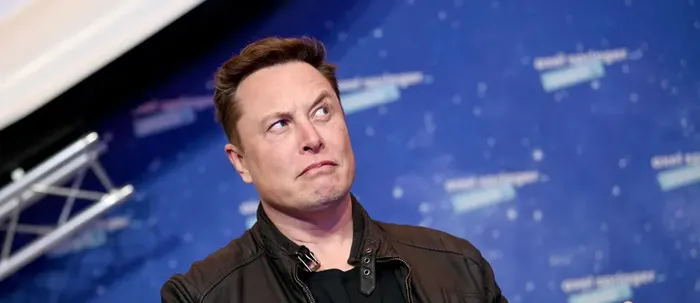
In a resounding vote of confidence, TeslaTSLA-- shareholders have approved a compensation plan that could catapult CEO Elon Musk from the world's richest individual to its first trillionaire.
Announced at the company's annual meeting in Austin, Texas, the package garnered over 75% support among voting shares, excluding Musk's own 15% stake. The crowd erupted in cheers and chants as the results flashed on screen, with Musk expressing gratitude to shareholders and the board. "I super appreciate it," he said, underscoring the high stakes of a plan that ties his future—and potentially his continued leadership—to Tesla's stratospheric growth ambitions.
This approval comes amid a turbulent year for Tesla, marked by plunging sales and profits in the first half, compounded by reduced U.S. government incentives for electric vehicles. Yet, the vote signals investors' willingness to bet big on Musk's vision, even as proxy advisors like Glass Lewis and ISS urged rejection. The board, which introduced the plan in September, had recommended approval, viewing it as essential to retaining Musk, who had hinted at possibly departing without greater control.
The Structure of the Pay Package
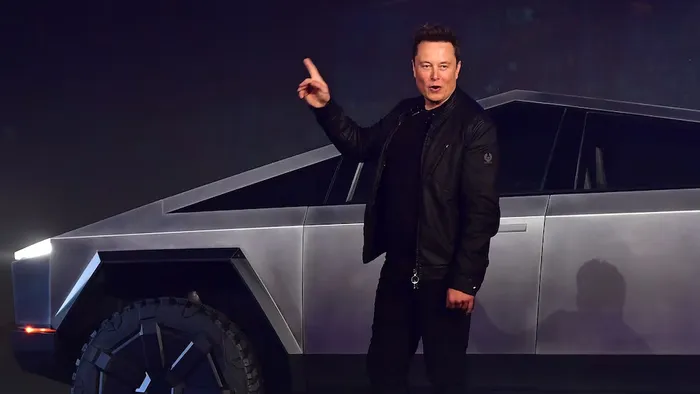
At its core, the package grants Musk up to 423.7 million additional shares over the next decade, potentially valued at $1 trillion if Tesla achieves a market capitalization of $8.5 trillion—roughly 466% above its current $1.54 trillion valuation. This would boost Musk's ownership from 13% to 25%, fulfilling his public demands for increased voting power since early 2024.
Structured in 12 tranches, the awards vest upon hitting escalating financial and operational milestones. The first tranche unlocks at a $2 trillion market cap, with subsequent ones requiring $500 billion increments up to $6.5 trillion, followed by $1 trillion jumps to reach the full payout. Parallel earnings targets start at $50 billion in annual adjusted profit—far exceeding the $4.2 billion EBITDA reported in the third quarter—and climb to $400 billion.
Musk, who forgoes a traditional salary, could earn the equivalent of $275 million per day if all tranches vest, shattering records for executive compensation. Notably, the plan includes "covered events" clauses that could accelerate payouts without full milestone achievement. These encompass natural disasters, wars, pandemics, or regulatory changes impeding product development, manufacturing, or sales—safeguards that acknowledge the unpredictable landscape of innovation-driven industries.
Ambitious Milestones and Operational Goals
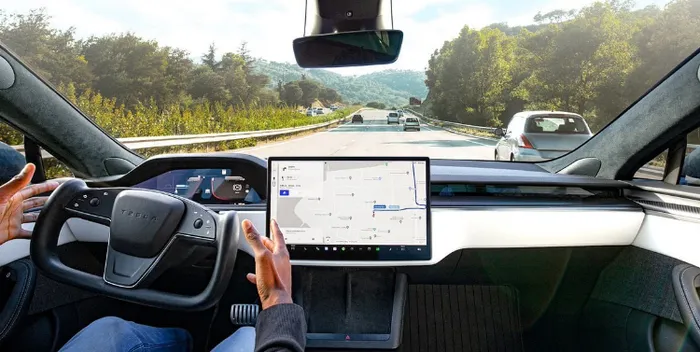
Beyond financial metrics, the package hinges on transformative operational targets that reflect Tesla's pivot from electric vehicles to autonomous technology and robotics. Key goals include delivering 20 million vehicles (building on over 8 million to date), securing 10 million active Full Self-Driving (FSD) subscriptions, deploying 1 million Optimus humanoid robots, and operating 1 million robotaxis commercially.
FSD, currently marketed as "FSD Supervised" in the U.S., requires driver oversight but aims to evolve into unsupervised autonomy. The plan leaves ambiguity on whether subscriptions include free trials, a detail that could ease attainment. Robotaxis and Optimus represent Musk's boldest bets, with no current products on the market and no specified timelines.
During the meeting, Musk waxed visionary about Optimus, predicting it would "eliminate poverty," provide "amazing medical care," and even aid in "containment of future crime" by shadowing potential offenders. He claimed the robots could surpass cell phones in impact, potentially retailing for around $20,000—comparable to a car—while reshaping global economics. "It's going to be the biggest product of all time by far," he asserted, likening it to personal Star Wars droids like R2-D2 or C3PO.
These pronouncements highlight Musk's flair for hyperbole, but they also underscore Tesla's strategic shift. Executives downplay recent EV slumps, emphasizing self-driving fleets and humanoid robots as future revenue engines. Yet, as Reuters has noted, Musk could still pocket over $50 billion by meeting just a subset of these goals, providing a safety net amid the plan's loftiness.
Legal and Historical Context
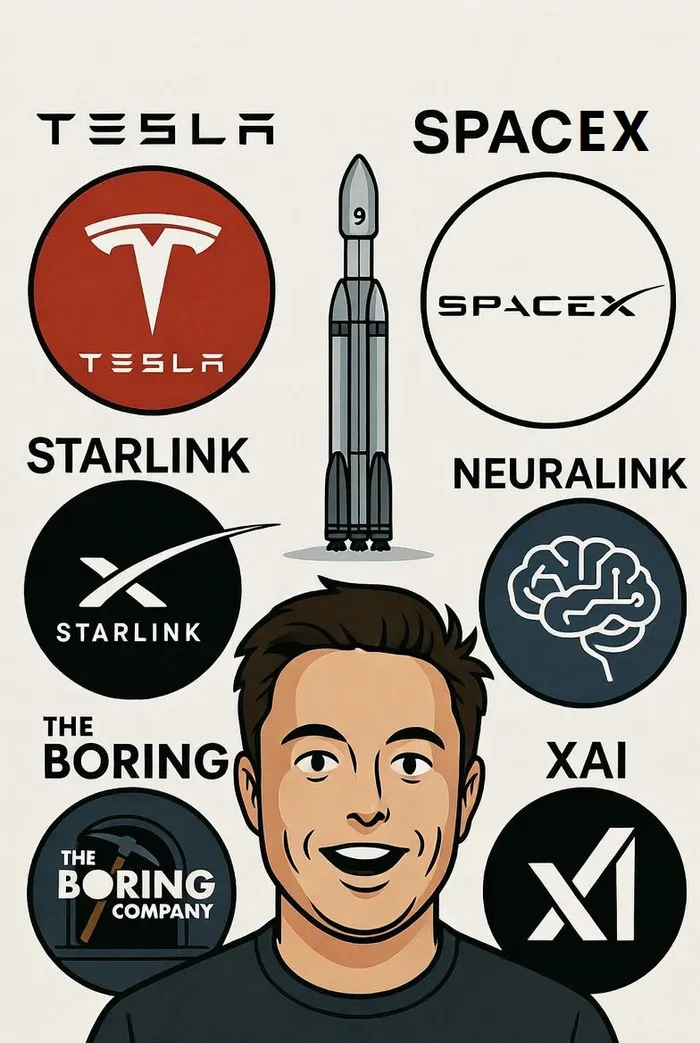
This new package replaces Musk's 2018 compensation deal, which a Delaware Chancery Court rescinded last year for improper board granting. Musk has appealed to the state's Supreme Court, but the shareholder vote aims to fortify his position regardless. The board's filing warned that rejection might prompt Musk's exit, a risk amplified by his sprawling empire: leading SpaceX and Starlink, Neuralink, The Boring Company, and xAI—his AI venture formed in 2023 to rival OpenAI, now merged with X.
A separate shareholder proposal from investor Stephen Hawk sought permission for Tesla to invest in xAI. General Counsel Brandon Ehrhart reported more votes in favor than against, though abstentions complicate next steps, with the company mulling options.
Risks Amid Polarizing Leadership
Despite the approval, challenges loom. Tesla's market cap must eclipse Nvidia's recent $5 trillion record by 70% to unlock the full package, a feat demanding sustained innovation amid competitive pressures. The company's rocky performance this year, including potential billions in lost EV revenue, raises doubts about near-term recovery.
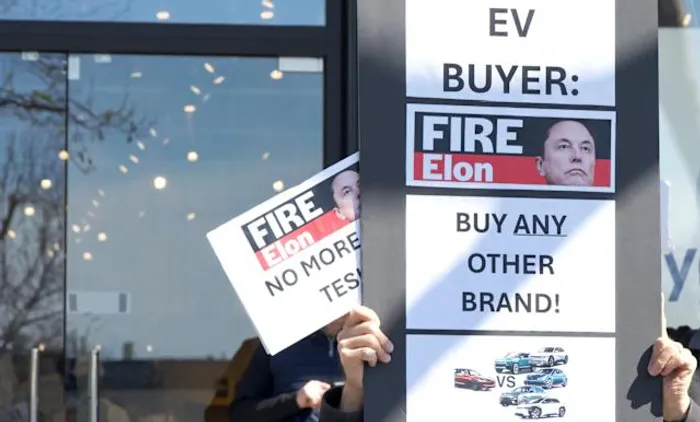
Musk's extracurriculars add another layer of scrutiny. Heavily involved in politics—backing Donald Trump's return to the White House and spearheading federal government cuts—the plan imposes no restrictions on such activities or minimum time commitments at Tesla. A recent National Bureau of Economic Research paper estimates U.S. Tesla sales from October 2022 to April this year could have been 67% to 83% higher absent Musk's "polarizing and partisan actions," suggesting his public persona may alienate buyers.
Musk counters that his motivation isn't wealth accumulation but control. "It's not like I'm going to go spend the money," he told investors last month. "There needs to be enough voting control to give me a strong influence—but not so much that I can't be fired if I go insane." Already worth $473 billion per Bloomberg's tracker, largely from Tesla and SpaceX holdings, Musk's path to trillionaire status hinges on executing these visions without derailing the company.
A Bet on Musk's Moonshot Future
Ultimately, this vote is a high-stakes wager on Musk's ability to transform Tesla into a robotics and AI powerhouse. Shareholders are banking on breakthroughs in FSD, robotaxis, and Optimus to justify the unprecedented payout, even as prototypes remain developmental. Success could redefine industries, but failure risks diluting shares and eroding confidence.
As Tesla navigates regulatory hurdles, supply chain disruptions, and market volatility, the package's flexibility—via covered events—offers Musk leeway. Yet, it also tests investor patience with a leader whose ambitions often outpace timelines. In approving this plan, shareholders aren't just compensating Musk; they're endorsing his unorthodox blueprint for the future, one where robots mend societal ills and autonomous vehicles dominate roads. Whether it yields trillions or trials remains the trillion-dollar question.

Expert analysis on U.S. markets and macro trends, delivering clear perspectives behind major market moves.
Latest Articles
Stay ahead of the market.
Get curated U.S. market news, insights and key dates delivered to your inbox.
AInvest
PRO
AInvest
PRO



Comments
No comments yet