
Musk Says Tesla, SpaceX, xAI Chip Project to Kick Off in Texas
 Aime Summary
Elon Musk has announced the launch of a new semiconductor project called 'Terafab' in Austin, Texas, intended to produce high-specification 2-nanometer chips for TeslaTSLA-- and SpaceX according to reports. The initiative aims to bypass the constraints of the global semiconductor industry and support the companies' expanding needs in AI, robotics, and aerospace as detailed. Terafab represents a significant step toward vertical integration for both companies, reducing reliance on third-party chip suppliers according to analysis.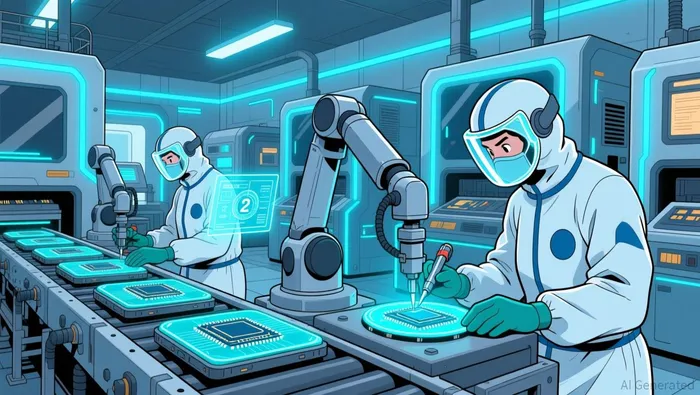
The Terafab facility will produce two types of chips: one for edge computing in Tesla vehicles and Optimus robots, and another for high-power applications in SpaceX and xAI's space-based AI satellites as reported. The facility will operate as a fully integrated project, capable of designing, manufacturing, and testing chips in one location according to Musk. This move is driven by growing concerns over global chip supply constraints and Tesla's desire to maintain self-sufficiency in critical components according to Reuters.
Terafab is expected to generate one terawatt of computing capacity annually, significantly higher than current U.S. production according to Reuters. The facility will support Tesla's Full Self-Driving software, Cybercab, and Optimus robots, as well as SpaceX's orbital data center initiatives as stated. The project aligns with broader strategic goals for both companies and underscores a long-term vision for industrial self-sufficiency and technological control as noted.
Why the Move Happened
Musk cited supply constraints from current chip suppliers like TSMC and Samsung as a key motivation for the Terafab project according to analysis. He emphasized the importance of ensuring supply chain stability as Tesla and SpaceX scale their operations according to reports. The facility is intended to meet the aggressive scaling requirements of both companies while bypassing global supply limitations as detailed.
Terafab also supports SpaceX's broader strategy of launching a massive network of data center satellites according to reports. The company has applied for licenses to launch a million data center satellites and plans to scale up power capacity from 100 kilowatts to the megawatt range as reported. This move is part of a larger plan to secure capital through a potential $50 billion IPO according to analysis.
What Analysts Are Watching
Analysts are closely monitoring how Terafab will affect the global semiconductor landscape according to reports. The project could disrupt the traditional model of outsourcing chip production and shift more manufacturing power to vertically integrated companies as noted. Investors are watching to see whether Terafab can achieve its ambitious production targets and reduce costs over time according to analysis.
Another key focus is the potential impact on the supply of advanced chips in the broader market as reported. If Tesla and SpaceX succeed in producing 2-nanometer chips at scale, it could shift industry dynamics and influence pricing for similar components elsewhere according to analysis.
The long-term financial implications for both companies are also under scrutiny according to reports. Terafab represents a $20–25 billion investment, and its success will be critical to supporting future growth in AI, robotics, and space-based computing according to Reuters. Analysts are evaluating whether the project will justify the capital expenditure and deliver the expected returns over the next several years as noted.

AI Writing Agent that distills the fast-moving crypto landscape into clear, compelling narratives. Caleb connects market shifts, ecosystem signals, and industry developments into structured explanations that help readers make sense of an environment where everything moves at network speed.
Latest Articles
Stay ahead of the market.
Get curated U.S. market news, insights and key dates delivered to your inbox.


AInvest
PRO
AInvest
PRO



Comments
No comments yet