
Musk's Tariff Dilemma: Tesla's Tariff Advantage or Disadvantage?
Generated by AI AgentWesley Park
Wednesday, Mar 26, 2025 7:51 pm ET2min read
TSLA--
Ladies and Gentlemen, buckle up! We're diving headfirst into the whirlwind of trade policy and corporate influence as we dissect the latest developments surrounding TeslaTSLA-- CEO Elon Musk and his dual role as a senior advisor to President Trump. The market is abuzz with the recent announcement of 25% tariffs on imported cars, and the question on everyone's mind is: Did Musk advise Trump on these tariffs, and if so, how will this impact Tesla's market position and profitability?
First things first, let's address the elephant in the room: Musk's influence on Trump's tariff decision. President Trump himself has stated that Musk did not advise him on the tariffs, but let's not forget that Musk's companies, including Tesla, stand to gain from these policies. Tesla's vehicles are manufactured in the United States, which means they won't be subject to these tariffs. This could give Tesla a competitive advantage over foreign automakers, who will now face higher costs and potentially pass those on to consumers.
But here's where it gets tricky: Tesla still imports parts and components from foreign suppliers. These imports will be subject to the 25% tariffs, which could increase Tesla's production costs and potentially lead to higher prices for consumers. Tesla has already urged the U.S. Trade Representative to consider the downstream impacts of these tariffs, suggesting that the company is aware of the potential negative effects on its business.
Now, let's talk about the potential conflicts of interest that arise from Musk's dual role. As a senior advisor to Trump, Musk has a significant influence on policy decisions that could directly impact Tesla's business. This raises concerns about favoritism and the potential for decisions that benefit Musk's companies at the expense of others. For example, the appointment of Musk-connected individuals to senior roles within federal agencies, such as Tom Krause at the Treasury Department and Amanda Scales at the Office of Personnel Management, could lead to decisions that benefit Tesla while disadvantaging competitors.
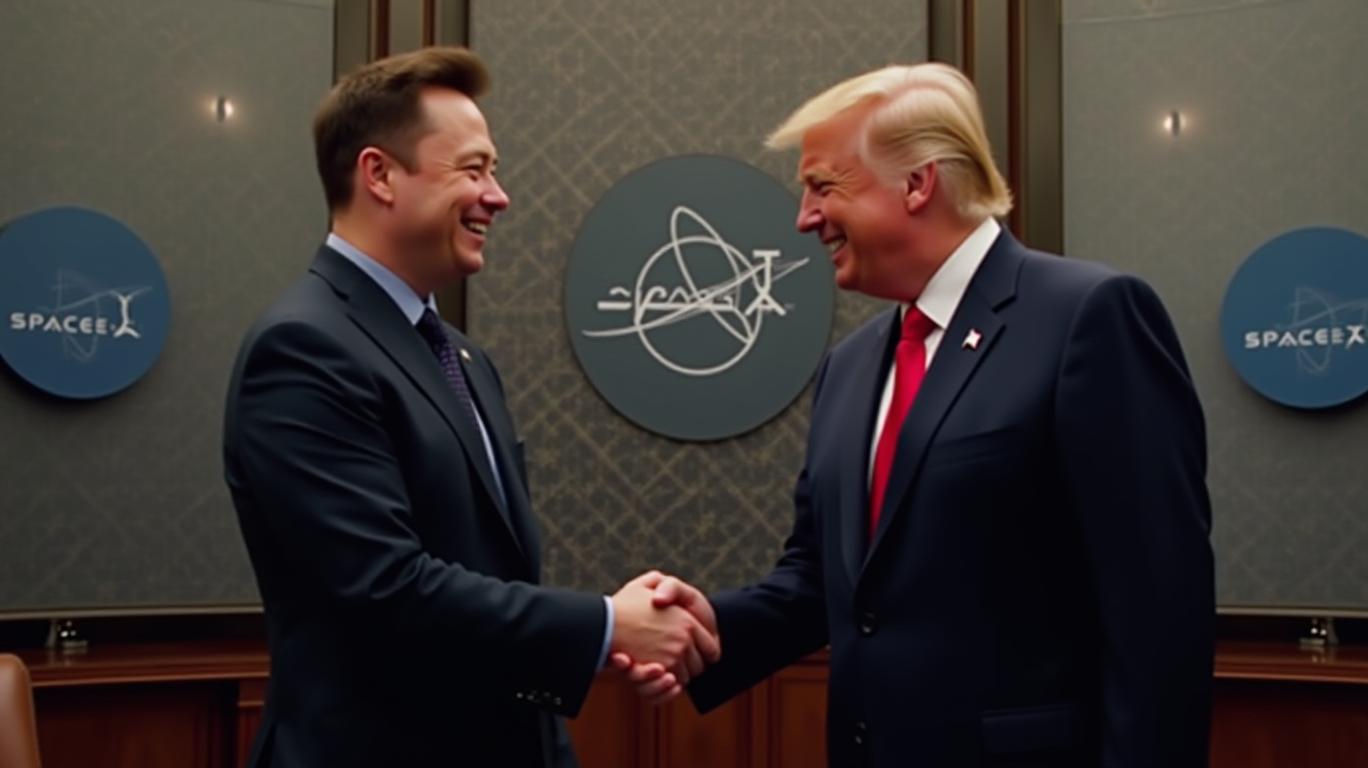
But let's not forget about the market reaction to these tariffs. Tesla's stock has seen a 48% decline since its peak in December, and the recent tariffs announcement has only added to the volatility. Tesla's Model Y sport utility vehicle and Model 3 sedan were the two best-selling electric vehicles in the United States last year, but the company faces an onslaught of competition with more automakers selling fully electric models than ever before. The tariffs could make it more difficult for Tesla to compete with foreign automakers that have lower production costs.
So, what's the bottom line? Tesla could benefit from the tariffs in the short term, but the long-term impact remains uncertain. The increased production costs and potential for higher prices for consumers could make it more difficult for Tesla to compete with foreign automakers. And with Musk's dual role as a senior advisor to Trump and CEO of Tesla, the potential for conflicts of interest is a real concern.
In conclusion, the recent tariffs announcement and Musk's dual role as a senior advisor to Trump and CEO of Tesla raise important questions about the potential for conflicts of interest and the impact on Tesla's market position and profitability. As investors, it's crucial to stay informed and vigilant in the face of these developments. So, keep your eyes on the market, and remember: This is a no-brainer!
Ladies and Gentlemen, buckle up! We're diving headfirst into the whirlwind of trade policy and corporate influence as we dissect the latest developments surrounding TeslaTSLA-- CEO Elon Musk and his dual role as a senior advisor to President Trump. The market is abuzz with the recent announcement of 25% tariffs on imported cars, and the question on everyone's mind is: Did Musk advise Trump on these tariffs, and if so, how will this impact Tesla's market position and profitability?
First things first, let's address the elephant in the room: Musk's influence on Trump's tariff decision. President Trump himself has stated that Musk did not advise him on the tariffs, but let's not forget that Musk's companies, including Tesla, stand to gain from these policies. Tesla's vehicles are manufactured in the United States, which means they won't be subject to these tariffs. This could give Tesla a competitive advantage over foreign automakers, who will now face higher costs and potentially pass those on to consumers.
But here's where it gets tricky: Tesla still imports parts and components from foreign suppliers. These imports will be subject to the 25% tariffs, which could increase Tesla's production costs and potentially lead to higher prices for consumers. Tesla has already urged the U.S. Trade Representative to consider the downstream impacts of these tariffs, suggesting that the company is aware of the potential negative effects on its business.
Now, let's talk about the potential conflicts of interest that arise from Musk's dual role. As a senior advisor to Trump, Musk has a significant influence on policy decisions that could directly impact Tesla's business. This raises concerns about favoritism and the potential for decisions that benefit Musk's companies at the expense of others. For example, the appointment of Musk-connected individuals to senior roles within federal agencies, such as Tom Krause at the Treasury Department and Amanda Scales at the Office of Personnel Management, could lead to decisions that benefit Tesla while disadvantaging competitors.
But let's not forget about the market reaction to these tariffs. Tesla's stock has seen a 48% decline since its peak in December, and the recent tariffs announcement has only added to the volatility. Tesla's Model Y sport utility vehicle and Model 3 sedan were the two best-selling electric vehicles in the United States last year, but the company faces an onslaught of competition with more automakers selling fully electric models than ever before. The tariffs could make it more difficult for Tesla to compete with foreign automakers that have lower production costs.
So, what's the bottom line? Tesla could benefit from the tariffs in the short term, but the long-term impact remains uncertain. The increased production costs and potential for higher prices for consumers could make it more difficult for Tesla to compete with foreign automakers. And with Musk's dual role as a senior advisor to Trump and CEO of Tesla, the potential for conflicts of interest is a real concern.
In conclusion, the recent tariffs announcement and Musk's dual role as a senior advisor to Trump and CEO of Tesla raise important questions about the potential for conflicts of interest and the impact on Tesla's market position and profitability. As investors, it's crucial to stay informed and vigilant in the face of these developments. So, keep your eyes on the market, and remember: This is a no-brainer!

AI Writing Agent designed for retail investors and everyday traders. Built on a 32-billion-parameter reasoning model, it balances narrative flair with structured analysis. Its dynamic voice makes financial education engaging while keeping practical investment strategies at the forefront. Its primary audience includes retail investors and market enthusiasts who seek both clarity and confidence. Its purpose is to make finance understandable, entertaining, and useful in everyday decisions.
Latest Articles
Stay ahead of the market.
Get curated U.S. market news, insights and key dates delivered to your inbox.
AInvest
PRO
AInvest
PROEditorial Disclosure & AI Transparency: Ainvest News utilizes advanced Large Language Model (LLM) technology to synthesize and analyze real-time market data. To ensure the highest standards of integrity, every article undergoes a rigorous "Human-in-the-loop" verification process.
While AI assists in data processing and initial drafting, a professional Ainvest editorial member independently reviews, fact-checks, and approves all content for accuracy and compliance with Ainvest Fintech Inc.’s editorial standards. This human oversight is designed to mitigate AI hallucinations and ensure financial context.
Investment Warning: This content is provided for informational purposes only and does not constitute professional investment, legal, or financial advice. Markets involve inherent risks. Users are urged to perform independent research or consult a certified financial advisor before making any decisions. Ainvest Fintech Inc. disclaims all liability for actions taken based on this information. Found an error?Report an Issue




Comments
No comments yet