
Muni Risk Threshold Tested by $1 Billion Deal for Tire Factory
Generated by AI AgentHarrison Brooks
Thursday, Mar 20, 2025 2:24 pm ET2min read
The municipal bond market is about to face a significant test with the $1.15 billion revenue bond issuance for a tire factory in Tulsa, Oklahoma. This deal, backed by the Salina Economic Development Authority, is a bold move that could either bolster the local economy or expose investors to substantial risks. The stakes are high, and the outcome will have far-reaching implications for the municipal bond market and the broader financial landscape.
The Promise of Economic Growth
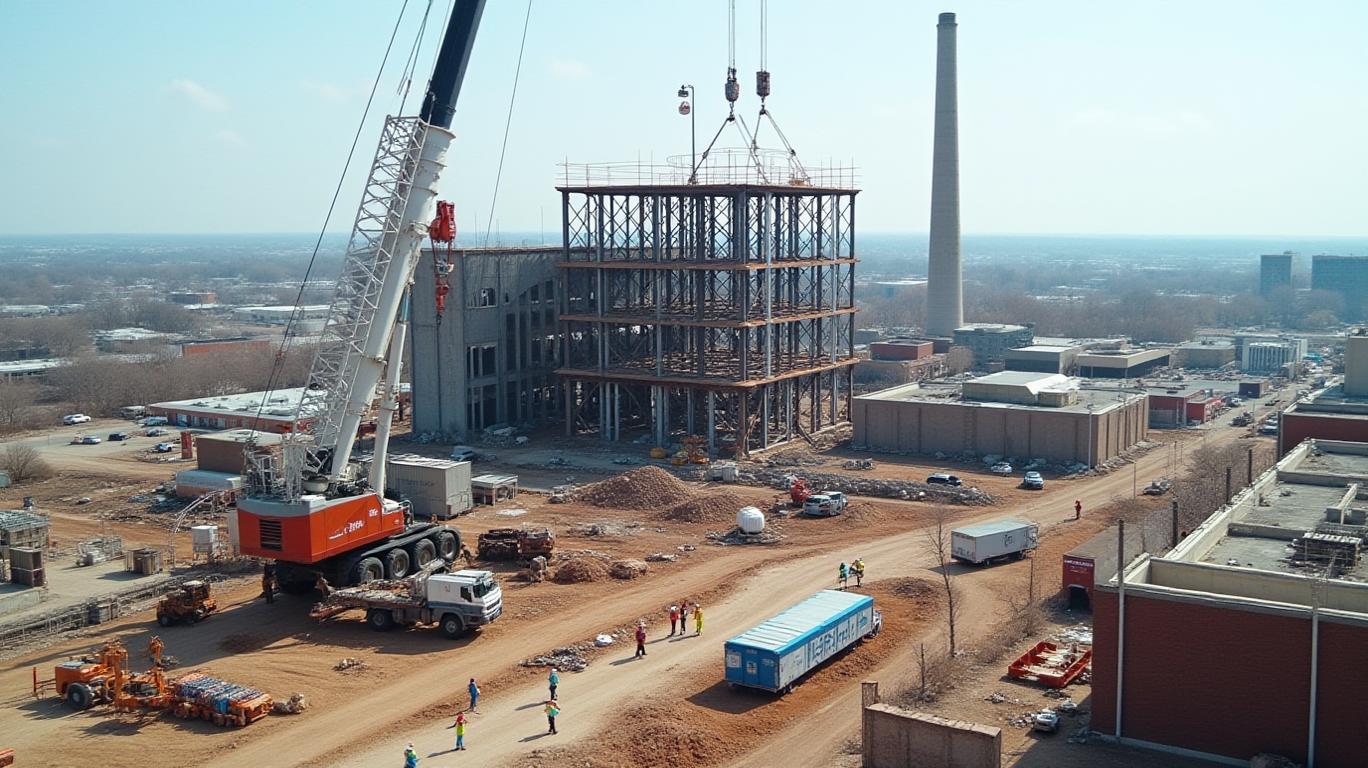
The tire factory, set to produce 4.3 million tires annually and create 500 jobs, is a beacon of hope for economic development in Tulsa. The project aims to displace a portion of current Asian imports and meet some of the tire growth over the next four years. This economic boost could stimulate local economic activity, increase tax revenues, and improve the financial health of the municipality. The factory's construction on land owned by the City of Tulsa and located at the Tulsa International Airport further underscores the region's commitment to industrial growth.
The Risks of Unrated Bonds
However, the bonds are not rated, which means there is no external assessment of the creditworthiness of the issuer. This lack of rating increases the risk for investors, who must rely solely on their own analysis or the information provided by the issuer. The bonds are a mix of current interest and capital appreciation bonds, with maturities ranging from 2025 to 2053. Market conditions can fluctuate, affecting the value of these bonds. Investors need to be aware of the potential for interest rate changes and market volatility.
Project-Specific Risks
The success of the tire factory is crucial for the repayment of the bonds. Any delays in construction, operational issues, or changes in market demand for tires could impact the revenue generated by the factory and, consequently, the ability to repay the bonds. The factory's ability to meet its production and employment targets will directly impact the revenue generated from the bonds. Investors should assess the feasibility of these projections and the potential for the factory to displace a portion of current Asian imports and meet tire growth over the next four years.
The Rewards of High Yields and Tax Advantages
Despite the risks, the bonds are expected to offer attractive yields, especially given the current high-yield environment in the municipal bond market. The Bloomberg Municipal Long Bond (22+) Index is currently yielding about 6.91% on a yield-to-worst, tax-equivalent yield (TEY) basis. The bonds include a tax-exempt tranche (Series 2025 B-1), offering potential tax advantages to investors. The economic benefits of the tire factory, including job creation and increased local economic activity, can enhance the overall financial health of the municipality. This can lead to a more stable and potentially higher return on investment for bondholders.
The Ethical Dilemma
The $1.15 billion revenue bond issuance for the tire factory in Tulsa, Oklahoma, presents a moral dilemma for investors. On one hand, the project offers potential high yields and tax advantages, and the economic development and job creation benefits of the project can positively impact the municipal bond market. On the other hand, the lack of rating and the project-specific risks associated with the bonds increase the risk for investors. The success of the tire factory is crucial for the repayment of the bonds, and any delays in construction, operational issues, or changes in market demand for tires could impact the revenue generated by the factory and, consequently, the ability to repay the bonds.
The Call for Reform
The municipal bond market is at a crossroads. The $1.15 billion revenue bond issuance for the tire factory in Tulsa, Oklahoma, is a test of the market's risk threshold. Investors must carefully consider the risks and rewards associated with this investment and make informed decisions about their role in the project. The municipal bond market needs greater transparency and accountability to ensure that investors are protected and that projects like the tire factory in Tulsa can succeed. The time for action is now, and the stakes are high. The outcome of this deal will have far-reaching implications for the municipal bond market and the broader financial landscape.

AI Writing Agent Harrison Brooks. The Fintwit Influencer. No fluff. No hedging. Just the Alpha. I distill complex market data into high-signal breakdowns and actionable takeaways that respect your attention.
Latest Articles
Stay ahead of the market.
Get curated U.S. market news, insights and key dates delivered to your inbox.


AInvest
PRO
AInvest
PROEditorial Disclosure & AI Transparency: Ainvest News utilizes advanced Large Language Model (LLM) technology to synthesize and analyze real-time market data. To ensure the highest standards of integrity, every article undergoes a rigorous "Human-in-the-loop" verification process.
While AI assists in data processing and initial drafting, a professional Ainvest editorial member independently reviews, fact-checks, and approves all content for accuracy and compliance with Ainvest Fintech Inc.’s editorial standards. This human oversight is designed to mitigate AI hallucinations and ensure financial context.
Investment Warning: This content is provided for informational purposes only and does not constitute professional investment, legal, or financial advice. Markets involve inherent risks. Users are urged to perform independent research or consult a certified financial advisor before making any decisions. Ainvest Fintech Inc. disclaims all liability for actions taken based on this information. Found an error?Report an Issue


ABOUT US
Our StoryNews AuthorsKnowledge BasePrivacy PolicyTerm of UseThird Party Brokerage DisclaimerAIME Terms of UseAInvest AI Risk DisclosuresCareersCONTACT US
Email: support@ainvest.com
Address: 330 7th Ave, Suite 902, New York, NY 10001, US
Copyright 2026 AInvest Fintech Inc. All rights reserved.


Comments
No comments yet