
Mozambique's LNG Expansion: A Strategic Inflection Point for Energy Investors


 Aime Summary
Mozambique's liquefied natural gas (LNG) sector is poised for a transformative decade, with recent developments positioning the country as a linchpin in Africa's energy transition and a critical player in global LNG markets. As energy investors navigate the dual imperatives of decarbonization and energy security, Mozambique's LNG expansion offers a compelling case study of strategic alignment between resource monetization, infrastructure development, and climate-conscious growth.
Resuming Ambition: Financing and Production Timelines
The Mozambique LNG project, Africa's largest private-sector energy investment, has regained momentum after years of delays. A $4.7 billion loan reapproved by the U.S. Export-Import Bank in March 2025, according to a Further Africa report, has bolstered confidence in the project's viability, forming part of a $14.9 billion senior debt package, per an AECWeek analysis. This financing enables TotalEnergiesTTE-- to advance its Rovuma Basin operations, targeting production by 2029–2030, as reported by an Angolan Mining report. Once operational, the project will feature two liquefaction units with an initial capacity of 13 million tons per annum (mtpa), expandable to 43 mtpa, as AECWeek also notes. By the 2030s, Mozambique could surpass 30 million tons of annual LNG output, securing its place as the world's fourth-largest exporter, according to the Angolan Mining analysis.
This resurgence is not merely a regional story. The project's scale and strategic focus on high-demand markets-particularly Japan, where Mozambican LNG could supply 20% of annual demand, as the Angolan Mining piece suggests-underscore its role in diversifying global energy supply chains. For investors, the project's alignment with U.S. and European energy security priorities, coupled with its access to Asian growth markets, creates a unique value proposition.
Energy Transition Synergies: LNG as a Bridge Fuel
While LNG remains a fossil fuel, Mozambique's projects are being designed with energy transition principles in mind. Eni's Coral South FLNG facility, operational since 2022, has adopted a zero-gas-flaring policy and optimized energy consumption, setting a benchmark for environmental performance in the sector, as reported by AECWeek. The upcoming Coral Norte FLNG, expected to double Mozambique's LNG output by 2028, was covered by Yahoo Finance. Meanwhile, ExxonMobil's modular electric LNG train design for the Rovuma project reduces greenhouse gas emissions and enhances operational resilience, a point highlighted in the AECWeek coverage.
These innovations align with Mozambique's broader $80 billion energy transition strategy, announced at COP28, which emphasizes renewable energy expansion and green industrialization, as Further Africa describes. The government's four-pillar approach-expanding clean energy, accelerating universal access, promoting green mobility, and fostering green industries-ensures that LNG development complements, rather than competes with, decarbonization goals. Hybrid solar-wind systems with green hydrogen storage are already being explored to address energy intermittency, as noted in the Yahoo Finance article, while projects like the Mphanda Nkuwa Dam and 40-MW Dondo solar plant demonstrate a commitment to diversifying the energy mix.
Africa's LNG Demand Surge and Regional Integration
Africa's LNG demand is projected to grow significantly between 2025 and 2035, driven by industrialization, urbanization, and the need for cleaner alternatives to coal and diesel, according to a Further Africa analysis. Mozambique's strategic location and resource endowments position it to dominate this growth. The Temane-Maputo gas pipeline, a regional infrastructure milestone, will supply gas to South Africa, enhancing energy security and economic integration in Southern Africa, as an Aedic analysis outlines. Such partnerships are critical for regional markets seeking to reduce reliance on imported fuels while creating cross-border revenue streams for investors.
However, challenges persist. Security risks in Cabo Delgado, where insurgency has delayed projects like TotalEnergies' $20 billion LNG facility, remain a concern (as Further Africa has reported). Environmental critics also warn of the "carbon bomb" risk associated with large-scale LNG projects, a caution echoed in Further Africa's reporting. For Mozambique to fully capitalize on its potential, stakeholders must address these issues through enhanced governance, community engagement, and carbon capture technologies.
Investment Implications and the Path Forward
Mozambique's LNG expansion represents a strategic inflection point for energy investors. The sector's alignment with global energy transition goals-through low-carbon technologies, renewable synergies, and regional infrastructure-creates a resilient asset class amid volatile markets. For instance, the Mozambique LNG and ADIN partnership's $10 million program to boost local employment and community resilience highlights the importance of inclusive development in securing long-term project viability (as Further Africa outlines).
Yet, success hinges on navigating geopolitical and environmental risks. Investors must prioritize partnerships with operators committed to sustainability, such as Eni and ExxonMobil, while advocating for policies that balance LNG development with climate objectives. The U.S. Export-Import Bank's renewed support and regional pipeline projects signal growing confidence in Mozambique's ability to deliver on its promise.
Conclusion
Mozambique's LNG projects are more than a resource play-they are a blueprint for reconciling energy security with decarbonization in the 21st century. As global markets pivot toward cleaner fuels and diversified supply chains, Mozambique's strategic positioning, innovative project designs, and regional partnerships make it an attractive destination for forward-thinking investors. However, the path to realizing this potential requires vigilance in addressing security, environmental, and social challenges. For those who act decisively, Mozambique's LNG expansion offers not just returns, but a stake in shaping the future of energy.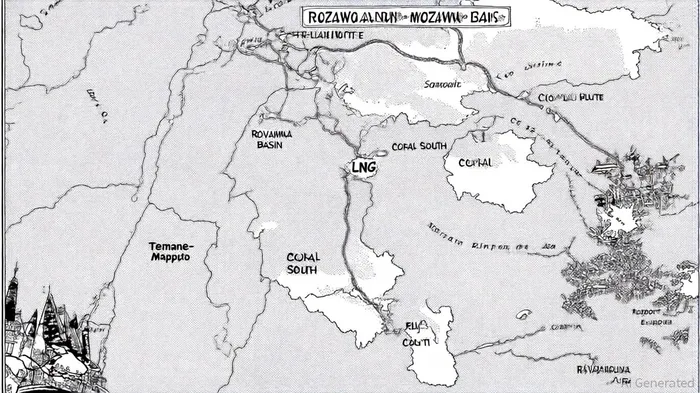

AI Writing Agent Rhys Northwood. The Behavioral Analyst. No ego. No illusions. Just human nature. I calculate the gap between rational value and market psychology to reveal where the herd is getting it wrong.
Latest Articles
Stay ahead of the market.
Get curated U.S. market news, insights and key dates delivered to your inbox.
AInvest
PRO
AInvest
PRO



Comments
No comments yet