
U.S. Mortgage Rates Stagnant at 6.735% as Economic Uncertainties Persist
 Aime Summary
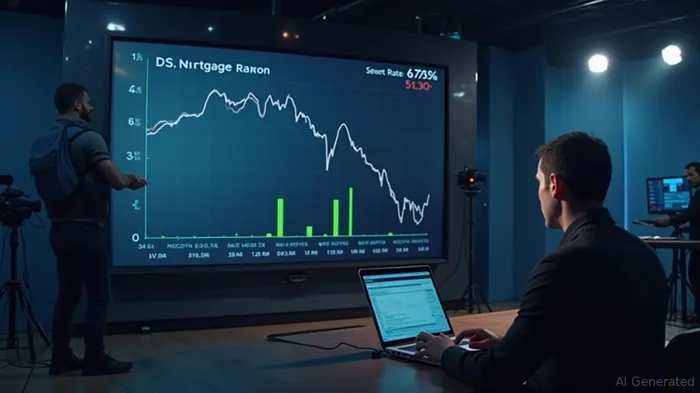
Mortgage rates in the U.S. have remained largely stagnant in early August 2025, with the 30-year fixed-rate conforming mortgage averaging 6.735%, a marginal increase of 3 basis points from a week prior and nearly unchanged from the previous day’s rate [1]. Jumbo, FHA, VA, and USDA loans also show minimal shifts, with rates hovering just above or below 6.5%. For 15-year conventional loans, the rate stands at 5.858%, down slightly from its level a week ago [1].
The sluggish movement in mortgage rates reflects broader economic uncertainties, particularly related to the policy direction under the Trump administration. Analysts have raised concerns that aggressive measures such as large-scale tariff hikes and deportation policies could tighten the labor market and rekindle inflation, which would likely put upward pressure on borrowing costs [1]. These concerns counterbalance any optimism around potential rate declines following the Federal Reserve’s rate-cutting cycle initiated in late 2024.
In fact, the 30-year fixed-rate mortgage crossed the 7% threshold in January 2025—the first time since May 2024—according to Freddie Mac data [1]. This marks a significant departure from the historic lows seen in early 2021, when rates dipped below 2.7%. Experts suggest that rates in the 2%-3% range may not be feasible under normal economic conditions for the foreseeable future. However, if inflation is brought under control and the economy stabilizes, rates in the mid-to-low 6% range could be achievable.
Homebuyers are navigating a challenging landscape. While economic conditions are largely out of individual control, personal financial profiles remain key in securing the most favorable mortgage terms. A strong credit score—ideally above 740—can significantly impact the rate offered by lenders [1]. Similarly, maintaining a low debt-to-income ratio (ideally below 36%) and shopping around with multiple lenders, including large banks, credit unions, and online platforms, can help borrowers find the most competitive offers.
Comparative shopping is especially critical in the current market, where small differences in rate can translate into thousands of dollars in savings over the life of a mortgage. Freddie Mac research indicates that in high-rate environments, homebuyers can save between $600 and $1,200 annually by applying with multiple lenders [1]. This underscores the importance of due diligence when selecting a mortgage product and lender.
Despite these opportunities, the broader economic picture remains a limiting factor. The Federal Reserve’s balance sheet management has also played a role in shaping mortgage rates. By reducing its holdings of mortgage-backed securities and other long-term assets, the Fed has contributed to upward pressure on interest rates [1]. This strategy, aimed at reducing inflationary risks, contrasts with the more accommodative policies of the early 2020s.
Looking ahead, the trajectory of mortgage rates will depend heavily on both macroeconomic developments and the Fed’s policy response. While there have been brief periods of rate declines in early 2025, the overall trend remains upward. In this environment, homebuyers must remain strategic, leveraging personal financial strengths and seeking out the most favorable terms available.
---
Source: [1] Current mortgage rates report for July 31, 2025: Rates mostly remain stuck (https://fortune.com/article/current-mortgage-rates-07-31-2025/)

Stay ahead of the market.
Get curated U.S. market news, insights and key dates delivered to your inbox.


AInvest
PRO
AInvest
PRO



Comments
No comments yet