
Mortgage Rates and Home Affordability in a Recession: Historical Insights for Long-Term Value
The question of whether to buy a home during an economic downturn has long divided investors. While short-term volatility may deter some, history suggests that recessions can create fertile ground for long-term value—provided buyers navigate the market with discipline and foresight. By analyzing mortgage rate trends, housing price corrections, and expert forecasts from the past three U.S. recessions, we uncover a path to prudent homebuying decisions.
Historical Context: Rates, Prices, and Recovery
The relationship between recessions and housing markets is anything but straightforward. Let's dissect the dynamics of three pivotal downturns:
1. The 2001 Recession: A Mild Dip with Rising Prices
During the dot-com crash, the Federal Reserve slashed interest rates, pushing the 30-year mortgage rate down to 5.89% by 2003. Despite economic uncertainty, U.S. home prices rose by 6.6%, as low rates fueled demand. This recession did not disrupt housing fundamentals, illustrating that rate cuts can offset short-term economic headwinds.
2. The 2008 Financial Crisis: A Catastrophic Collapse and Slow Recovery
The Great Recession was an anomaly. Mortgage rates fell sharply to 4.13% by 2011, but home prices plummeted by 19.7% due to the subprime mortgage crisis. Overleveraged households and toxic financial instruments caused a prolonged downturn. It took six years for prices to rebound to pre-crisis levels.
Key Takeaway: Regulatory reforms (e.g., Dodd-Frank) and stricter lending standards now reduce the risk of a repeat. Today's homeowners hold 70% equity on average, shielding them from similar collapses.
3. The 2020 Pandemic Recession: A Surge in Prices Amid Historic Rate Lows
Despite widespread economic disruption, the 2020 downturn saw mortgage rates hit 2.65%—a historic low—while home prices jumped 6%. Remote work trends and low borrowing costs fueled demand, even as unemployment spiked. By 2022, prices had surged to a peak of $479,500, but corrections began as rates rose to 7.08% in 2022.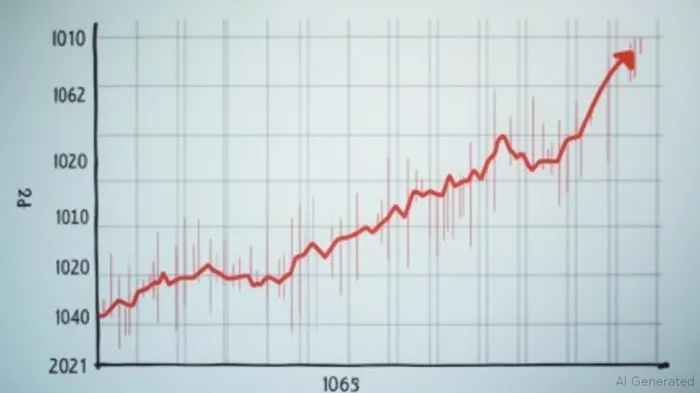
Current Landscape: Navigating 2025's High Rates and Uncertain Fed Policy
Today's mortgage rates hover near 6.89%, down slightly from 2023's peak but still elevated by historical standards. The Federal Reserve's “wait-and-see” approach has kept the federal funds rate at 4.25%-4.5%, with forecasts predicting two cuts by year-end. Experts like Fannie Mae and the NAR project rates to stabilize at 6.1%-6.6% by late 2025.
Crucially, home prices have softened from their 2022 peak, with the median now at $417,700. This creates a window of opportunity for buyers who can secure financing at rates that may decline further. However, inflation and trade policies—including lingering tariffs—remain risks that could prolong high rates.
Actionable Insights for Informed Homebuying
- Leverage Rate Forecasts: Monitor the Fed's policy path. If rates drop to 6% or below, affordability improves significantly.
- Prioritize Equity and Liquidity: Aim for a 20% down payment to avoid PMI and build equity quickly. Maintain emergency savings to withstand rate fluctuations.
- Focus on Long-Term Trends: While short-term volatility exists, housing has historically appreciated 4-5% annually over decades.
- Avoid Overextension: Use mortgage calculators to stress-test payments at 7-8% rates. A rule of thumb: housing costs (mortgage + taxes + insurance) should not exceed 28% of gross income.
Conclusion: Prudent Buying in a Volatile Market
Buying during a recession can yield long-term value—if done with patience and prudence. The 2001 and 2020 recessions proved that low rates can offset economic headwinds, while the 2008 crisis taught the importance of robust equity and regulation. Today's buyers should:
- Wait for rate cuts below 6.5% to maximize affordability.
- Target markets with oversupply, where prices have corrected more sharply.
- Avoid speculative bets, focusing instead on stable, income-generating properties.
As history shows, the housing market's resilience often outlasts economic cycles. For those who can weather the volatility, buying now—or timing an entry as rates retreat—could position them to capture future appreciation.

Stay ahead of the market.
Get curated U.S. market news, insights and key dates delivered to your inbox.


AInvest
PRO
AInvest
PRO



Comments
No comments yet