
Mortgage Market Shakes Up in 2025 — What Investors Need to Know


 Aime Summary
For investors, the mortgage market has been one of the most dynamic and unpredictable corners of the economy in 2025. With a flurry of news about data transparency, interest rate decisions, and shifting market forecasts, it's more important than ever to understand how these changes could impact returns. Recent events—from the mysterious halt of key data reports to the Federal Reserve's aggressive rate cuts—have reshaped the landscape, leaving many to wonder what lies ahead for homebuyers, lenders, and real estate professionals alike.
Core Developments: From data transparency to rate cuts
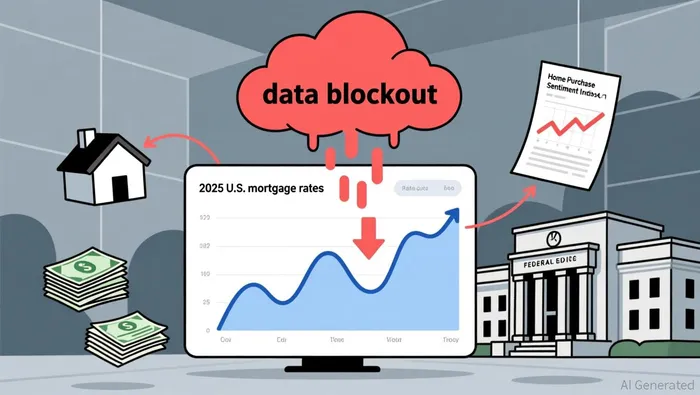
One of the most surprising developments came in early 2025, when Fannie Mae and Freddie Mac stopped publishing long-standing market reports, including the Home Purchase Sentiment Index and mortgage-market outlook. These reports had long been go-to sources for industry professionals seeking to track market trends and consumer sentiment. The lack of an official explanation has sparked concern about a loss of transparency, especially at a time when housing data is already fragmented. Industry players now face a challenge in assessing market momentum without these trusted benchmarks.
Meanwhile, the Federal Reserve has been a major force shaping the mortgage market. In 2025, the Fed cut its benchmark interest rate by a total of 0.75 percentage points, including a 0.25-point cut at its December meeting. This marks a shift from its earlier tightening cycle, as the central bank now appears to be pivoting toward a more accommodative stance in response to a cooling labor market and rising unemployment. The Fed's Summary of Economic Projections suggests at least one more rate cut is likely in 2026.
What's driving mortgage uncertainty: Key numbers and trends
The implications of these rate cuts are already showing up in mortgage rates. By late 2025, the average 30-year fixed mortgage rate had fallen to 6.25% APR. While this is a modest decline from earlier in the year, it still represents a relatively high cost of borrowing for many potential homebuyers. Projections suggest that mortgage rates will remain at or above 6.5% in 2025 and could see only limited movement into 2026.
Market optimism, however, is showing signs of a rebound. The Commercial Real Estate (CRE) Finance Council's Second-Quarter 2025 Sentiment Index jumped to 112.3, far above the neutral 100 baseline. This reflects improved expectations for economic conditions, interest rate stability, and transaction activity—signals that could bode well for commercial real estate investors. That said, the CRE market is not without its risks. Capital Economics has highlighted potential headwinds for 2026, including instability in the private credit sector and possible sharp drops in equity markets.
Implications for investors and the real estate market
For investors, the shifting landscape of mortgage rates and market sentiment presents both opportunities and challenges. On one hand, slightly lower rates and a more optimistic outlook may drive modest increases in home sales and real estate activity. On the other, lingering uncertainties around labor market conditions and inflation mean that a cautious approach is warranted. For example, while home prices are expected to rise by 2.2% nationally in 2026, some major cities—particularly in Florida—could see softening or even declines.
Mortgage lenders and real estate professionals are also navigating a more complex environment. With Fannie Mae and Freddie Mac's data on pause, many are now relying more heavily on alternative data sources and forecasts. The lack of a clear, centralized view of the market could lead to more volatility or mispricing, particularly in less liquid segments of the housing market. Investors with exposure to real estate–related assets—like REITs or mortgage-backed securities—need to keep a close eye on these dynamics.
Looking ahead: What 2026 could hold
As we approach 2026, several factors will likely shape the mortgage market. The first is the trajectory of the Fed's rate policy. If the central bank continues to cut rates as expected, mortgage rates could edge lower, potentially increasing demand for home purchases. That said, any unexpected inflationary spikes or labor market downturns could quickly shift the Fed's stance back toward caution.
Another key area to watch is housing affordability. While mortgage rates remain elevated by historical standards, wages are expected to gradually increase, which could help more households qualify for home loans. Meanwhile, inventory levels are projected to rise modestly, which may help balance supply and demand.
Ultimately, while the mortgage market remains uncertain, it's also evolving in ways that could create new investment opportunities. Whether through real estate, lending, or data analytics, investors who stay informed and flexible are likely to be best positioned for what lies ahead.

Delivering real-time insights and analysis on emerging financial trends and market movements.
Latest Articles
Stay ahead of the market.
Get curated U.S. market news, insights and key dates delivered to your inbox.


AInvest
PRO
AInvest
PRO



Comments
No comments yet