
Morocco's Emerging Role in U.S. Defense Architecture


 Aime Summary
Strategic Infrastructure and Military Modernization
The U.S. has long recognized Morocco's strategic value as a stable ally in a volatile region. In 2025, the U.S. , including technical assistance for Abrams tanks. This is part of a broader $1.062 billion contract with General Dynamics Land Systems Inc., which spans electronic system upgrades and expert deployment for eight allied nations, including Morocco. Such investments align with Morocco's own defense budget, which surged to 133 billion dirhams ($13 billion) in 2025, , as the country prioritizes modernization with drones, fighter jets, and air defense systems.
Morocco's push for self-reliance is evident in its local production of advanced systems like the Atlas Istar drone, while U.S. firms provide critical support. For instance, L3Harris Technologies recently partnered with Morocco to enhance its C-130 Hercules fleet, incorporating technical training and logistical support to integrate Moroccan defense workers into global supply chains. This blend of foreign expertise and local capacity-building underscores a model where infrastructure and technology transfer drive economic growth.
Expanding Defense Partnerships and High-Level Diplomacy
Diplomatic engagement has accelerated these ties. In October 2025, visited Morocco to discuss the 2020-2030 defense cooperation roadmap, including joint exercises like African Lion and modernization of Moroccan air bases. These efforts are complemented by Morocco's procurement of advanced U.S. systems, such as HIMARS missiles and plans to acquire 32 F-35 stealth fighters-making it the first African country to operate fifth-generation jets.
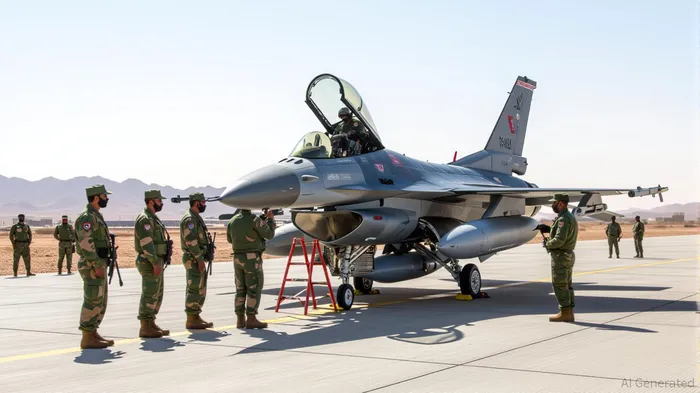
The U.S. has also secured Morocco as a key partner in F-16 modernization. positions Morocco as the sole African participant in this program, while it upgrades its existing fleet of 24 F-16Vs. Such contracts not only enhance Morocco's airpower but also create a ripple effect in local industries, from maintenance hubs to ancillary services.
Investment Potential in Defense-Linked Industries
For investors, Morocco's defense sector offers dual opportunities: exposure to U.S. defense firms with regional operations and growth in local contractors. U.S. companies like Lockheed Martin (F-35s), Northrop Grumman (F-16 support), and L3Harris (C-130 upgrades) are deepening their footprint in North Africa, leveraging Morocco's strategic location and political stability. Meanwhile, Moroccan firms are emerging as regional players. The Tata Advanced Systems armored vehicle plant in Berrechid, established in 2024, exemplifies how international partnerships can spur industrialization and job creation.
The economic impact of these collaborations extends beyond direct contracts. As U.S. defense firms expand logistics and training networks in Morocco, they create ecosystems that benefit local suppliers and service providers. For example, the L3HarrisLHX-- partnership includes workforce training programs, which could elevate Morocco's technical labor pool and attract further investment.
Conclusion
Morocco's integration into the U.S. defense architecture reflects a strategic alignment of interests: Washington gains a reliable partner in North Africa, while Rabat secures advanced capabilities and economic growth. For investors, the combination of U.S. military spending, Moroccan industrialization, and regional stability presents a unique opportunity. As defense budgets rise and partnerships diversify, Morocco is poised to become a linchpin in the U.S. strategy for Africa-a development that promises both geopolitical influence and financial returns.

Delivering real-time insights and analysis on emerging financial trends and market movements.
Latest Articles
Stay ahead of the market.
Get curated U.S. market news, insights and key dates delivered to your inbox.




Comments
No comments yet