
Morning Market Pulse: Trump’s Military Moves, Bitcoin’s Plunge, and China’s Consumer Push
 Aime Summary
The pre-market mood is cautiously mixed. Futures for the S&P 500, Dow, and Nasdaq are all in negative territory, with the S&P 500 futures down 0.3% and Nasdaq futures lagging by 0.4%, suggesting a risk-off start. Commodity markets tell a different story: WTI crude oil futures dipped 0.18% to $59.56, while gold, silver, and copper rallied, with copper surging 1.43% to $5.4505 and silver up 1.96% to $58.615. The divergent signals highlight a tug-of-war between energy caution and inflation-hedging demand in metals. Today’s key stories will test market resilience as geopolitical and crypto headwinds collide with economic policy optimism.
1. Trump’s Western Hemisphere Military Expansion: A Geopolitical Gamble
President Trump’s plan to boost U.S. military presence in Latin America is a hardline move aimed at curbing migration and drug trafficking. While it reinforces his re-election narrative, analysts warn of logistical hurdles and diplomatic friction. The policy aligns with his broader security agenda but risks inflaming tensions with regional allies. For markets, the focus is on how this reshapes defense spending and trade dynamics in the hemisphere.
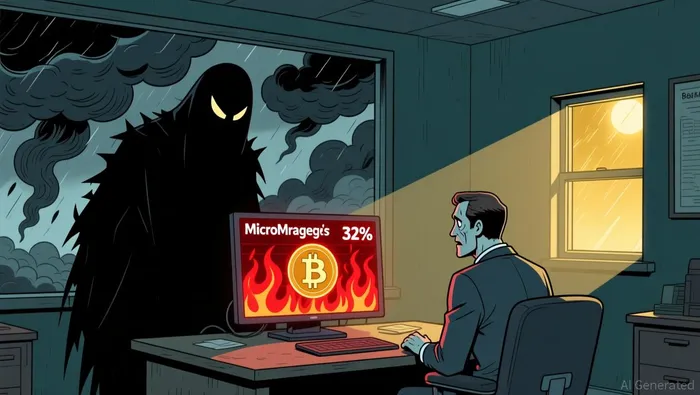
2. Bitcoin’s 32% December Plunge: MicroStrategy’s Sword of Damocles
Bitcoin’s 32% drop in December has investors on edge, with fears that MicroStrategy’s potential forced selling could push prices toward $60,000. The company’s BitcoinBTC-- holdings represent ~0.5% of the total supply, making its balance sheet a critical watchpoint. This selloff reflects broader macro concerns—rising rates and year-end caution—but also underscores crypto’s vulnerability to institutional moves.
3. Macron and China’s Trade Pact: A Strategic Reset
France and China’s pledge to ease trade restrictions is a bid to stabilize Sino-European relations amid U.S.-China tensions. The focus on auto consumption and tech collaboration could boost French exports and open new markets for luxury goods and agriculture. For investors, this signals a potential thaw in EU-China ties, though execution risks remain.
4. U.S. Travel Ban Expansion: A Political and Diplomatic Minefield
The U.S. plan to expand its travel ban to over 30 countries is a hardline immigration move that aligns with Trump’s agenda but raises human rights concerns. While it may bolster domestic support, it risks diplomatic friction with affected nations. The policy’s impact on global travel and trade flows will be a key watchpoint.
5. HashKey’s $1.5B Hong Kong IPO: Crypto’s Regulatory Comeback
HashKey’s IPO is a landmark moment for crypto, capitalizing on Hong Kong’s regulatory clarity. The firm’s institutional-grade services position it to attract institutional investors, but the broader crypto slump could test market appetite. This offering reflects growing confidence in crypto’s long-term potential despite short-term volatility.
6. India-Russia’s Vision 2030 Pact: A Geopolitical Counterweight
India and Russia’s economic cooperation agreement is a strategic move to counter Western pressures. Focused on energy, tech, and agriculture, the pact aims to diversify supply chains and boost bilateral trade. For markets, this could reshape global trade flows and reduce reliance on Western partners.
7. Cambricon’s AI Chip Expansion: China’s Semiconductor Ambitions
Cambricon’s plan to triple AI chip production by 2026 signals China’s push for self-reliance in semiconductors. Competing with Huawei and global leaders like NVIDIA, the firm’s success could disrupt the AI chip market. This aligns with Beijing’s broader strategy to reduce exposure to international supply chain risks.
8. Netflix’s Warner Bros Bid: A Streaming War Escalation
Netflix’s $28-per-share offer for Warner Bros assets is a bold move to expand its content library. The bid, above the $24.54 closing price, reflects the streaming war’s intensity. If successful, it could reshape the media landscape but faces competition from Paramount and regulatory hurdles.
Ticker/Company Watchlist
- MSFT (Microsoft): Watch for crypto-related partnerships or AI investments amid Bitcoin’s volatility.
- MS (MicroStrategy): Monitor balance sheet updates and Bitcoin selling activity.
- NVDA (NVIDIA): Track Cambricon’s AI chip expansion as a potential competitor.
- NFLX (Netflix): Follow developments in the Warner Bros acquisition and streaming competition.
- HK (HashKey): Keep an eye on IPO pricing and investor demand.
Analyst Summary
Analysts are split between caution and optimism. While geopolitical risks and crypto volatility weigh on sentiment, China’s consumer policies and India-Russia cooperation offer growth catalysts. The key takeaway is a market bracing for both short-term turbulence and long-term structural shifts. Investors are advised to hedge against geopolitical shocks while positioning for tech and consumer-driven recovery.
Upcoming Economic Highlights
This week’s calendar is packed with geopolitical and economic drama. Trump’s Ukraine peace efforts, Putin’s Black Sea threats, and Ukraine’s oil infrastructure strikes will dominate headlines. Investors should also watch China’s consumer policies and India-Russia trade developments for clues on global economic shifts. The week ends with Russia’s Red Sea naval base announcement, which could reshape regional security dynamics.

Market Watch column provides a thorough analysis of stock market fluctuations and expert ratings.
Latest Articles
Stay ahead of the market.
Get curated U.S. market news, insights and key dates delivered to your inbox.


AInvest
PRO
AInvest
PRO



Comments
No comments yet