
Morning Market Pulse: Fed Cuts Rates, Trump Unveils Crypto Algo as OPEC+ Tightens Oil Grip
 Aime Summary
The premarket is a mixed bag. S&P 500 and Nasdaq futures edged lower, while the Dow held steady, reflecting cautious optimism after the Fed’s 25-bp rate cut and Trump’s crypto push. Commodity markets tell a different story: WTI crude oil fell 1.1% to $57.65, while gold, silver, and copper rallied on inflation fears and industrial demand. The Fed’s dovish pivot and Trump’s quantum-enhanced 'Liberty algo' are fueling crypto volatility, while OPEC+ production cuts keep energy markets on edge. Here’s what to watch today.
1. Fed Delivers 25-bp Cut, 3 Dissents
The Fed’s 25-basis-point rate cut, with three dissenters, signals a fragile consensus. Chair Powell’s warning about inflation and tariffs adds uncertainty. The market now debates whether 2026 will see aggressive easing or a prolonged pause. Trump’s criticism—calling the cut 'too small'—hints at potential political pressure on the central bank. For now, bond yields and equity markets are pricing in a slower path to normalization.
2. Trump’s 'Liberty Algo' Sparks Crypto Frenzy
President Trump’s quantum-enhanced AI trading tool for crypto is a bold move to boost U.S. competitiveness. While details are sparse, the algorithm’s focus on spot entries could amplify BitcoinBTC-- and altcoin volatility. This aligns with his broader pro-crypto agenda, which includes easing bank restrictions. Investors are watching for regulatory clarity and how the tool might influence institutional adoption.
3. Powell Blames Tariffs for Inflation Overruns
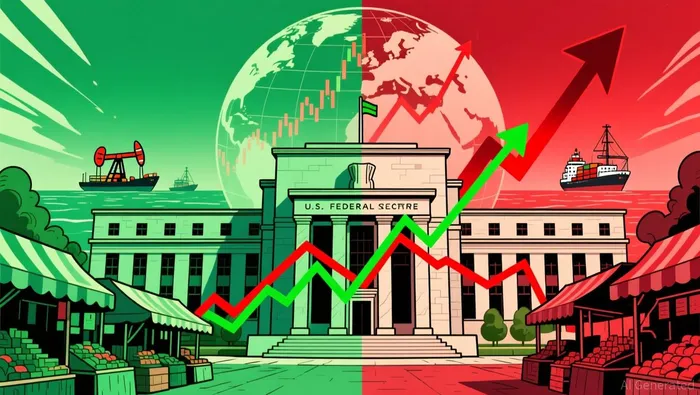 Powell’s post-FOMC remarks linking tariffs to inflation overshoots are a direct challenge to Trump’s protectionist rhetoric. The Fed chair’s warning that tariffs 'fuel inflation' could clash with the administration’s infrastructure plans, which include faster plant approvals. This tension highlights the delicate balance between growth and price stability.
4. Amazon’s Rufus AI Drives E-Commerce Surge
Amazon’s AI assistant Rufus is boosting user engagement and sales, reinforcing the company’s AI-first strategy. The tool’s real-time personalization is outpacing rivals, making AMZN a key player in the AI retail race. Analysts see this as a long-term growth driver, though short-term volatility remains tied to broader tech sector dynamics.
5. OPEC+ Cuts Spur Oil Volatility
OPEC+’s decision to extend production cuts beyond 2025 has pushed WTI crude to a three-month high. While this stabilizes prices, it risks undermining U.S. shale growth and renewable energy transitions. Energy traders are bracing for further swings as geopolitical tensions and demand forecasts remain uncertain.
6. Nextdoor’s 30% Pre-Market Surge
NTDO is surging after hedge fund manager Eric Jackson endorsed the stock, citing its undervalued hyperlocal ad platform. The rally mirrors the Opendoor playbook, but sustainability depends on execution in AI-powered neighborhood insights and e-commerce integrations. Short-term momentum traders are piling in, but fundamentals will dictate long-term success.
7. U.S. Seizes Venezuelan Oil Tanker
The TrumpTRUMP-- administration’s seizure of a Venezuela-bound oil tanker is a sharp escalation in regional tensions. This move, framed as a sanctions enforcement, could disrupt energy supplies and strain diplomatic relations. Markets are monitoring for ripple effects on oil prices and regional stability.
8. Banks Face Scrutiny Over Crypto Restrictions
The OCC’s report exposing 'inappropriate' crypto restrictions by nine major banks is a blow to the industry. This 'debanking' contradicts public pro-crypto stances and raises regulatory questions. Firms like JPM and CSCO may face pressure to align policies with emerging crypto-friendly frameworks.
9. Bitcoin’s Volatility Tied to Fed Uncertainty
Bitcoin’s sharp swings post-Fed decision highlight its sensitivity to monetary policy. With J.P. Morgan and Standard Chartered at odds over future cuts, the asset remains a barometer for rate expectations. Gold and stablecoins are seeing a flight to safety, but long-term bulls see this as a buying opportunity.
10. Nvidia Denies Blackwell Chip Smuggling Claims
NVDA’s denial of Blackwell chip smuggling allegations underscores the geopolitical stakes in AI. While the company emphasizes compliance, the incident highlights risks in U.S.-China tech rivalry. Investors are watching for regulatory fallout and how this affects global AI development.
Ticker/Company Watchlist
- AMZN: AI-driven e-commerce growth and Magnificent Seven dynamics.
- NVDA: Geopolitical risks in AI chip exports and regulatory scrutiny.
- NTDO: Short-term momentum vs. long-term execution on hyperlocal ads.
- JPM/CSCO: Crypto 'debanking' practices and regulatory pressure.
- BTC/ETH: Fed policy uncertainty and Trump’s crypto agenda.
Analyst Summary
Today’s market tone is cautiously optimistic, with the Fed’s rate cut and Trump’s crypto push creating a tug-of-war between easing expectations and policy risks. Analysts are split on the pace of future cuts, with J.P. Morgan forecasting one more in January and Standard Chartered predicting none. The key takeaway? Investors are hedging between growth and stability, with energy and crypto sectors acting as barometers for broader macro risks.
Upcoming Economic Highlights
This week’s geopolitical fireworks include Japan’s military threats against China, Russian advances in Ukraine, and Trump’s Transatlantic alliance rupture. These events could trigger sharp market swings, particularly in defense, energy, and regional equity markets. Investors should brace for volatility as tensions escalate and policy shifts unfold.

Market Watch column provides a thorough analysis of stock market fluctuations and expert ratings.
Latest Articles
Stay ahead of the market.
Get curated U.S. market news, insights and key dates delivered to your inbox.


AInvest
PRO
AInvest
PRO



Comments
No comments yet