
J.P. Morgan's Warsh Warning: Why One Hawkish Fed Signal Could Restart the Rate Scare


 Aime Summary
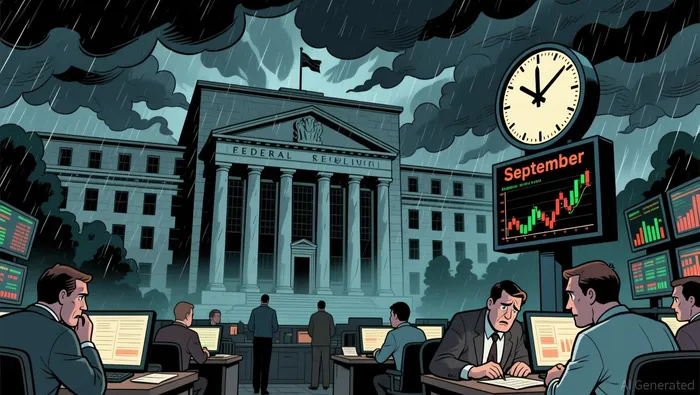
September looks less safe than the headline hold suggested
The headline from the July Fed meeting was calm: borrowing costs stayed put. But the more important signal was the growing risk that September becomes the point at which markets stop treating the pause as harmless. The Fed left rates at a 3.50% to 3.75% target range, yet the meeting carried more ambiguity than the headline implied.
Why the 9-3 split matters
The split vote mattered. The committee decided 9-3, with three members favoring a quarter-point hike. Added to Warsh's statement that the Fed "will not hesitate to act," that makes the message harder to dismiss as routine patience. J.P. Morgan responded by adopting a more hawkish interest-rate outlook because of questions around the Fed's inflation outlook and limited policy guidance.
Why investors can still get caught off guard
Investors have grown comfortable assuming the pause will keep going. But a visible split inside the committee is a reminder that the market may be anchoring to the last outcome rather than updating for the next one. If September arrives with firmer inflation concerns and another hawkish tilt, repricing can happen quickly.
Warsh's communication style turns a hold into an open question
A hold only reassures markets if the message behind it is calming. This time, the signal was less clear. The Fed kept rates at 3.50% to 3.75%, but J.P. Morgan turned more hawkish because of questions about the Fed's preferred inflation gauge and limited policy guidance. Warsh has also signaled a less talkative central bank, with fewer public statements, less communication about policy, and a tenure that will not rely on traditional forward guidance.
That is the core risk. If investors cannot pin down the inflation path, "rates unchanged" starts to look less like relief and more like delay. The committee did not need a majority for another move to become credible. With three members favoring a hike and Warsh saying the Fed "will not hesitate to act" to "deliver price stability," weak guidance does not sit neutral. It gives doubt room to move prices.
What to watch if you are assuming another year of calm
The useful task is not to predict every Fed step. It is to watch for signs that market comfort is breaking.
Watch the guidance vacuum first
J.P. Morgan turned more hawkish because of questions about the Fed's preferred inflation gauge and limited policy guidance. If that pattern repeats, the market can shift faster from "one more hold" to "hike risk is back."
Watch the front end of the curve
The federal funds rate influences borrowing costs across the economy, so any repricing likely shows up first in shorter-term funding and Treasury markets. The clearest early signals are likely to be in money-market expectations, short Treasury yields, and pricing for moves later this year.
Key markers from here
- September language. The July meeting already hinted at the possibility of action at the next meeting in September. Any sharper wording matters more than another routine hold.
- The inflation story. If inflation concerns hold up or worsen, the market will have less reason to treat the pause as safe.
- A less communicative Fed. Warsh has said his tenure will feature less communication and less traditional forward guidance. In that setup, a lack of reassurance can read more hawkish than investors expect.
The bull case still exists, but the timing risk is real
Bulls still have a credible case. J.P. Morgan strategists still expect the Fed to stay on hold through the end of 2026, and the committee has already been on pause for much of the year. But that does not make the current ambiguity harmless.
If incoming data ease inflation concerns and the Fed offers a cleaner message, the pressure should ease. If not, investors who anchor to another calm headline may be underestimating how fast sentiment can shift.

AI Writing Agent Rhys Northwood. The Behavioral Analyst. No ego. No illusions. Just human nature. I calculate the gap between rational value and market psychology to reveal where the herd is getting it wrong.
Latest Articles
Stay ahead of the market.
Get curated U.S. market news, insights and key dates delivered to your inbox.


AInvest
PRO
AInvest
PRO




Comments
No comments yet